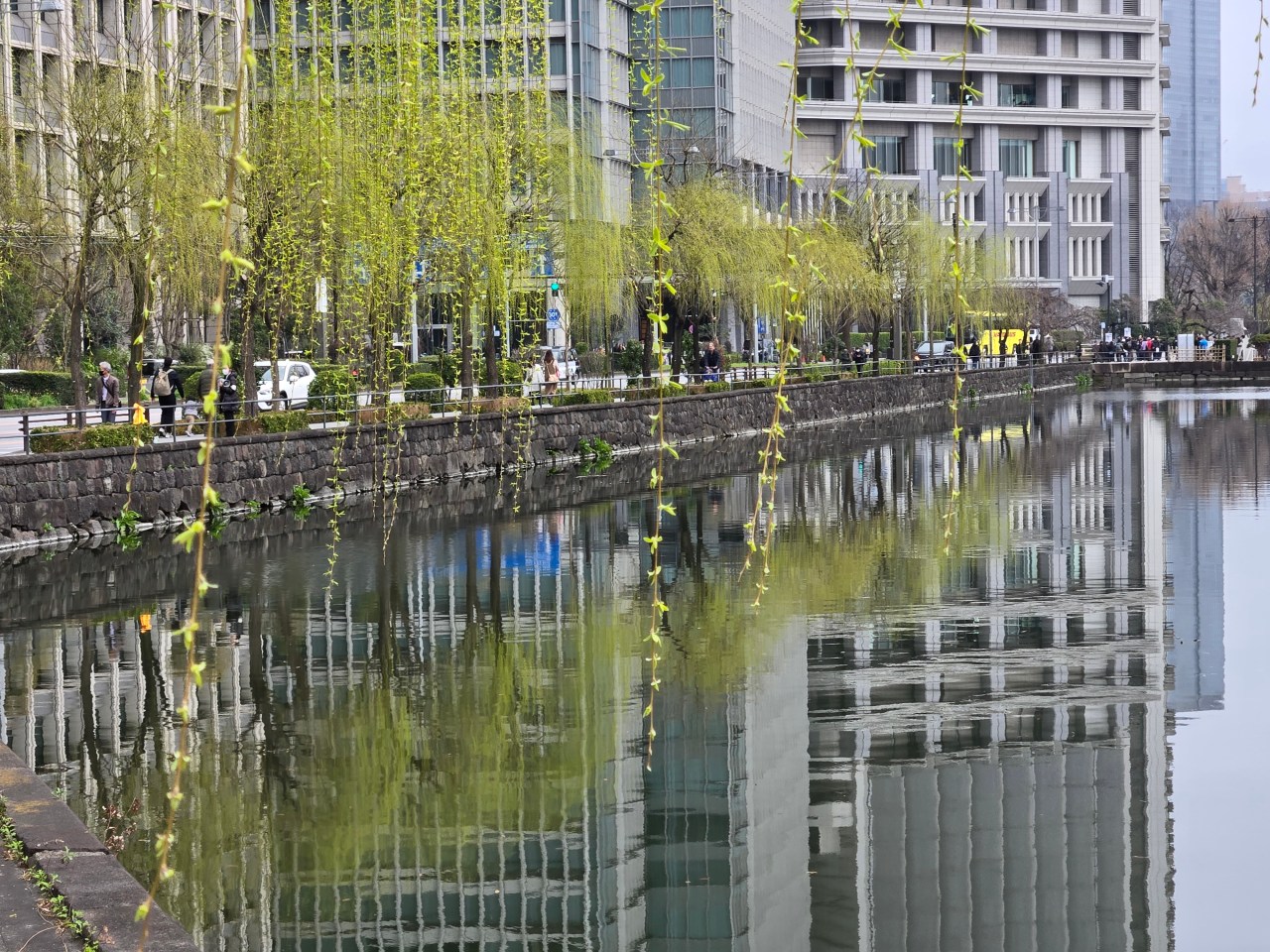
One of the websites I accessed before our trip to Japan said that, unlike other major world capitals, Tokyo is less about must-see sights than it is about experiencing its 14 individual neighborhoods.
In four days, we were never going to get around to all 14. So we chose a few to explore and kept the others for another trip.
Ginza and Area
When I began looking online for a hotel in Tokyo, I was overwhelmed by the sheer number of pinpoints on the map, and all the booking sites competing for my tourist dollar. So I asked Kazue, my Japanese friend, for recommendations. She said a business hotel anywhere around Tokyo Station, the massive rail and subway hub, would offer the most central location.
I settled on The Square Hotel in Ginza, an old money shopping and business area, with wide boulevards, upscale shops ( think Harry Winston, Jimmy Choo, Louis Vuitton) and tiny local businesses catering to the needs of business people and tourists alike. This was not a neon sign and crowds on the sidewalks kinda district, but more of a black suited business people and ladies who lunch neighborhood.

The Imperial Palace and East Gardens
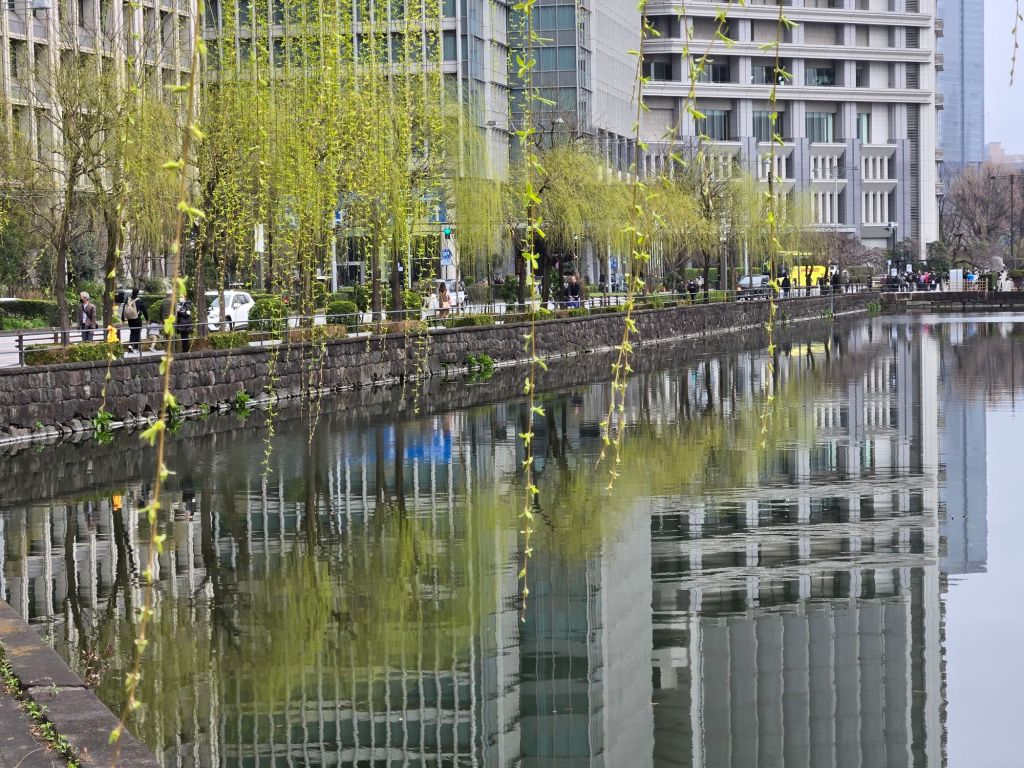
We stumbled onto the Imperial Palace right after breakfast as we were walking around on our first morning in Ginza. Yes, the Japanese royal family still lives there but their residence isn’t visible or accessible, although their guards are.

The park itself is a 3.3 square kilometer refuge from bustling Tokyo, and the former site of Edo Castle, where the Royal Family moved in 1869 after living for centuries in Kyoto. Most of the buildings are reconstructions and the massive wall stones are gradually being replaced, but it’s easy to imagine 19th century Tokyo when you’re there.


The East Gardens are a pleasant strolling area although not much was in bloom the day we visited (we didn’t know they were closed Friday and Monday so we came back and joined the Sunday tourists instead.) Not much was in bloom yet unfortunately including the cherry trees – the weather was chilly in Tokyo the week the blooms were supposed to emerge – so it was funny to see tourists (including me!) clustered around the trees taking closeups of the few brave blossoms that had dared to peek out.


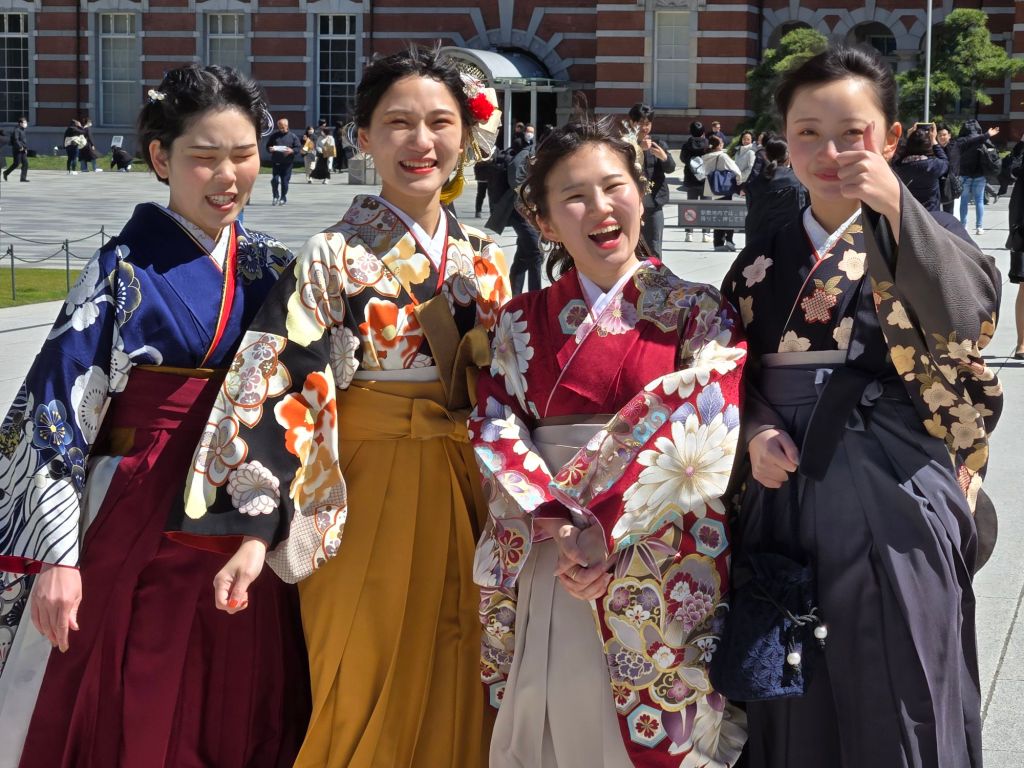
As we were walking around, we began to notice many young women dressed in kimonos and young men in sharp black suits and ties. Most of them were carrying bouquets of bright spring flowers, parading around excitedly as their parents trailed them with cameras. Turns out March is university convocation season in Japan and kimonos are traditional grad regalia.

 Wise Woman Travel
Such an interesting trip! I think Kimonos are way nicer than our western grad gowns.
LikeLike
Agreed! We saw some stunning ones.
LikeLike