The taxi driver in Hiroshima asks us where we plan to go next in Japan. When we mention Okinawa, he’s surprised. “Kyoto? Osaka? Very beautiful. “
Yes, I think, and also crowded with tourists. Besides, we’d been both places on other trips. Now it was time to explore a less well known destination, at least to North Americans and Europeans.
Okinawa, nicknamed the Hawaii of Japan, is a popular vacation spot for lots of Asian and southeast Asian tourists. It’s an island group closer to Taiwan than the Japanese mainland , 2.5 hours by plane from Osaka, and sporting a totally different vibe than any of the other places we visited in Japan.
Part of that is its tropical location. The temperature in March is already hitting 26C or above. As a result, there’s an island casualness here. You don’t see many men in Tokyo black suits and ties, striding off the subway to drive their corporate careers forward. Instead, business people more often wear a kariyushi shirt, sort of like a Hawaiian flowered shirt but more tailored and a bit more formal. Even the security officers at the airport wear them – fuchsia printed with white tropical flowers, which makes them seem a whole lot less intimidating than most airport personnel I’ve met.
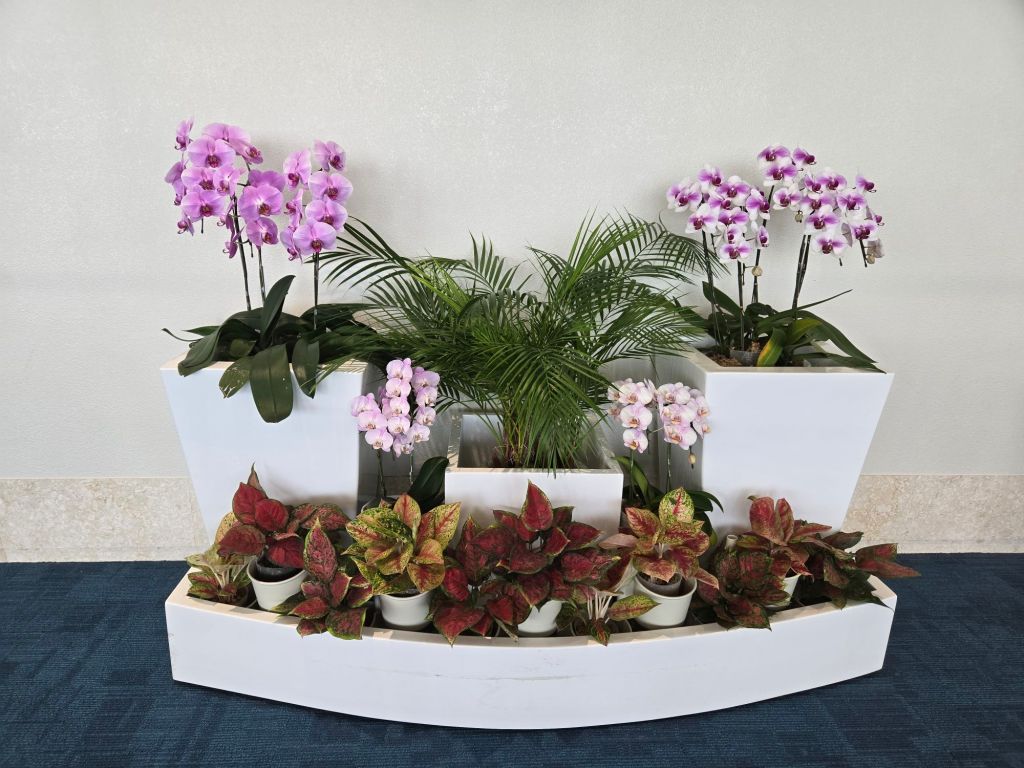
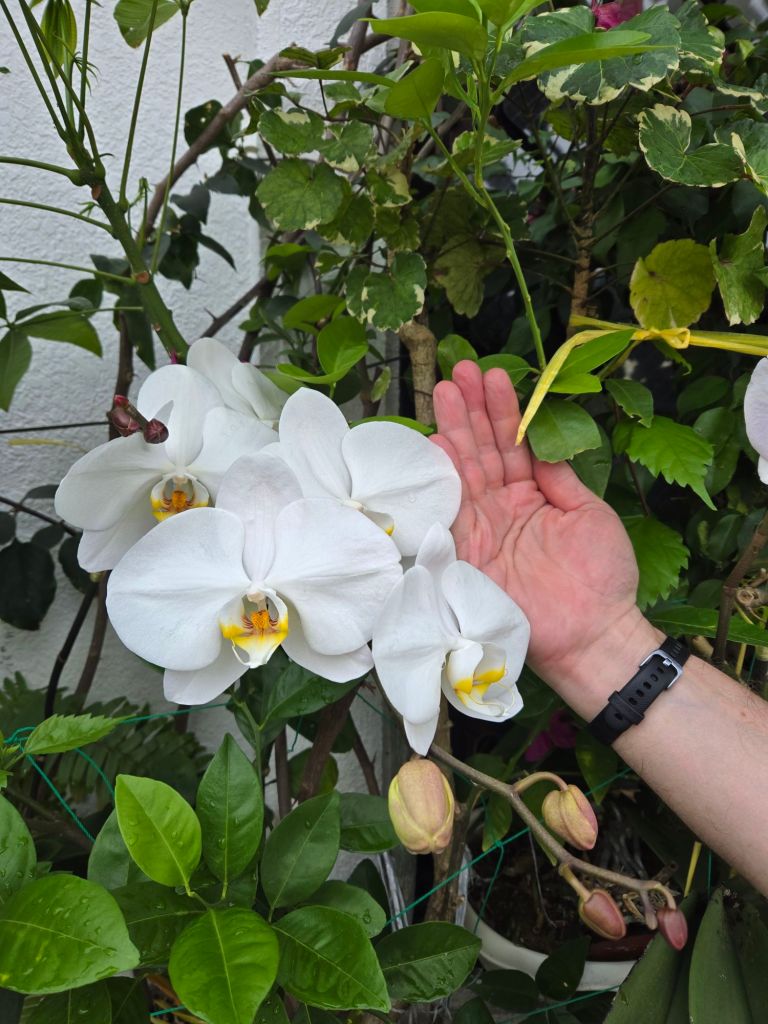
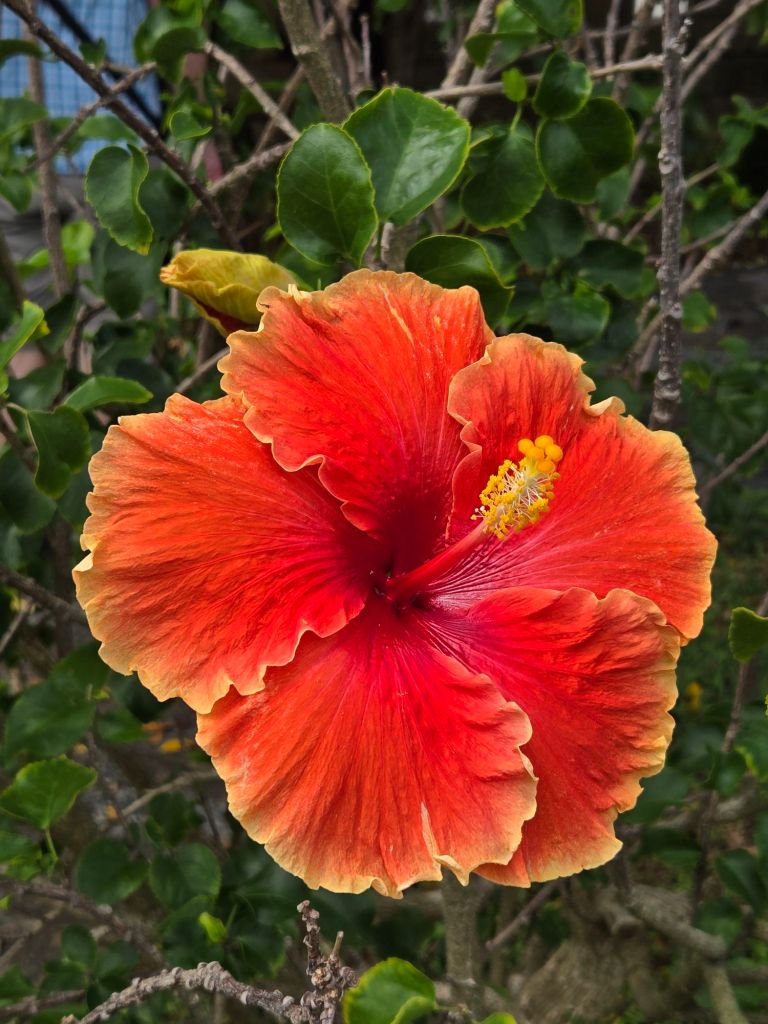
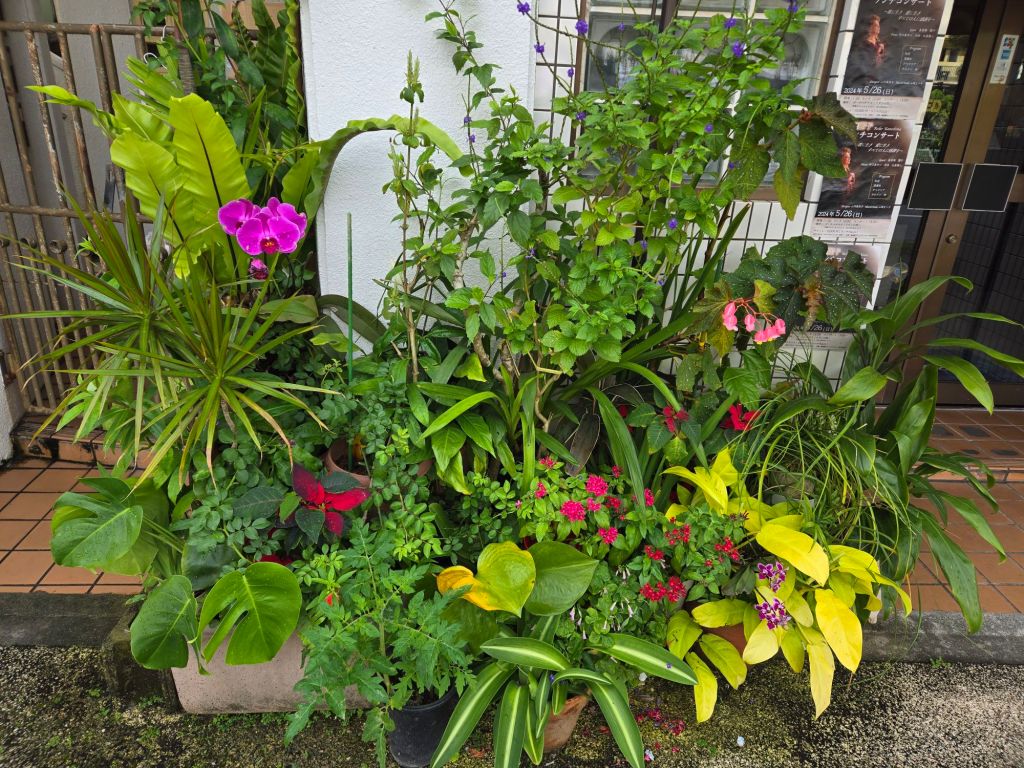
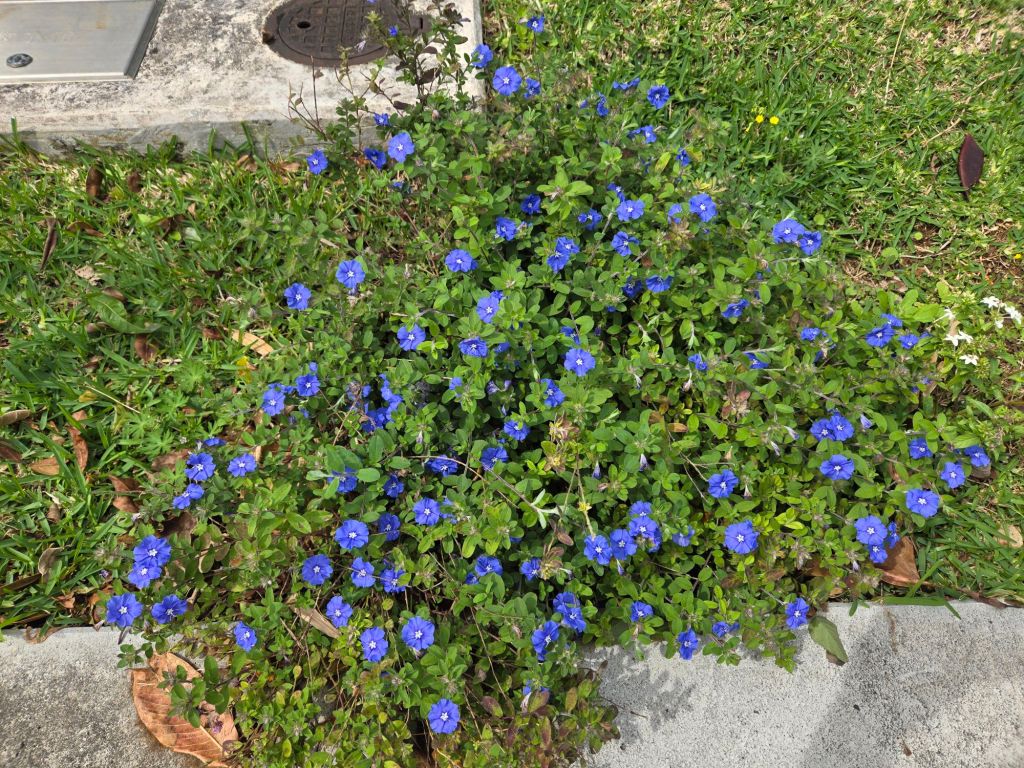
And the flowers! Tropical varieties and some I struggle to grow at home between May and September – greeting travellers at the Naha City airport, growing wild by the side of the road, and lovingly tended in pocket gardens outside residences.

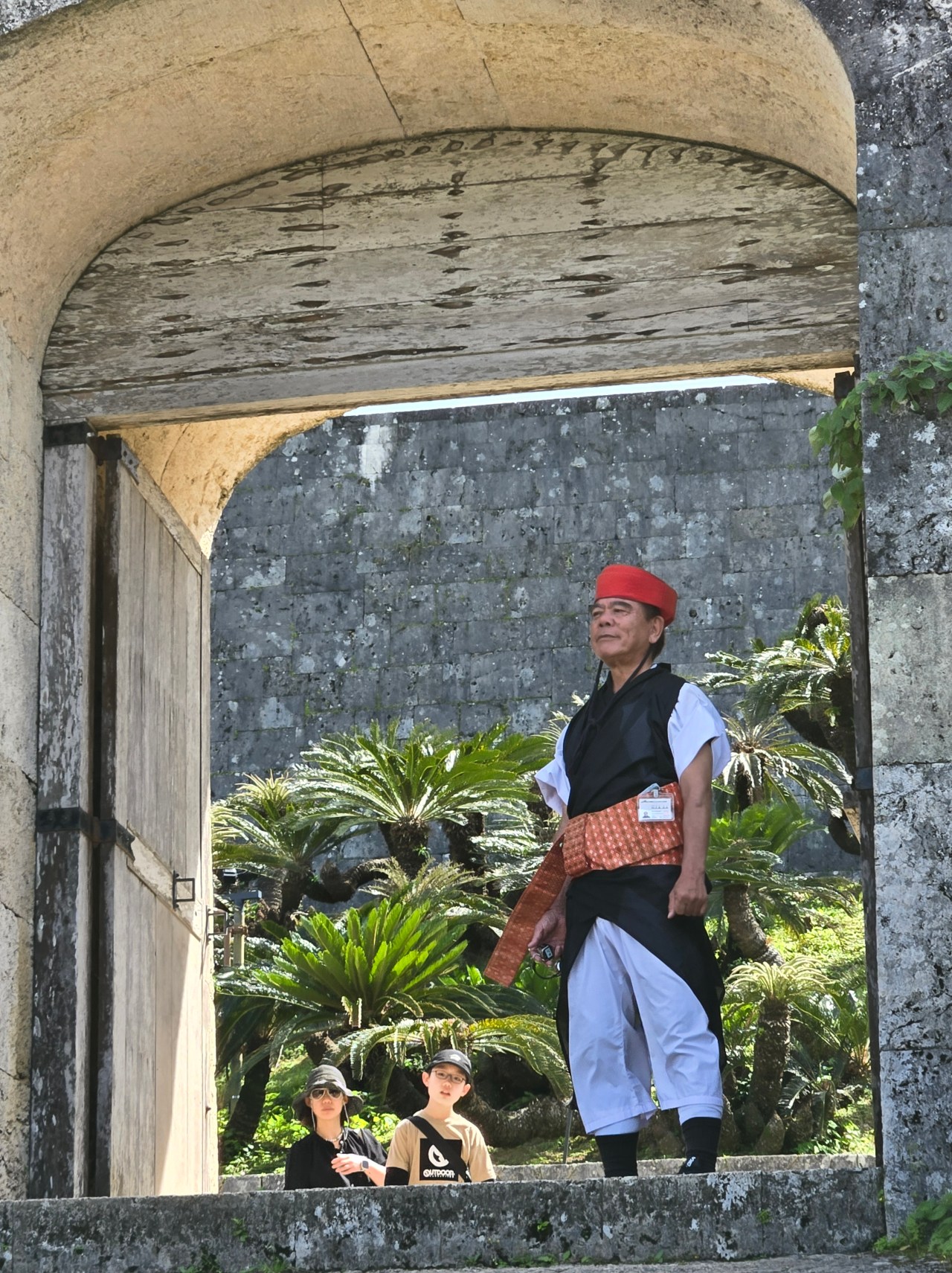
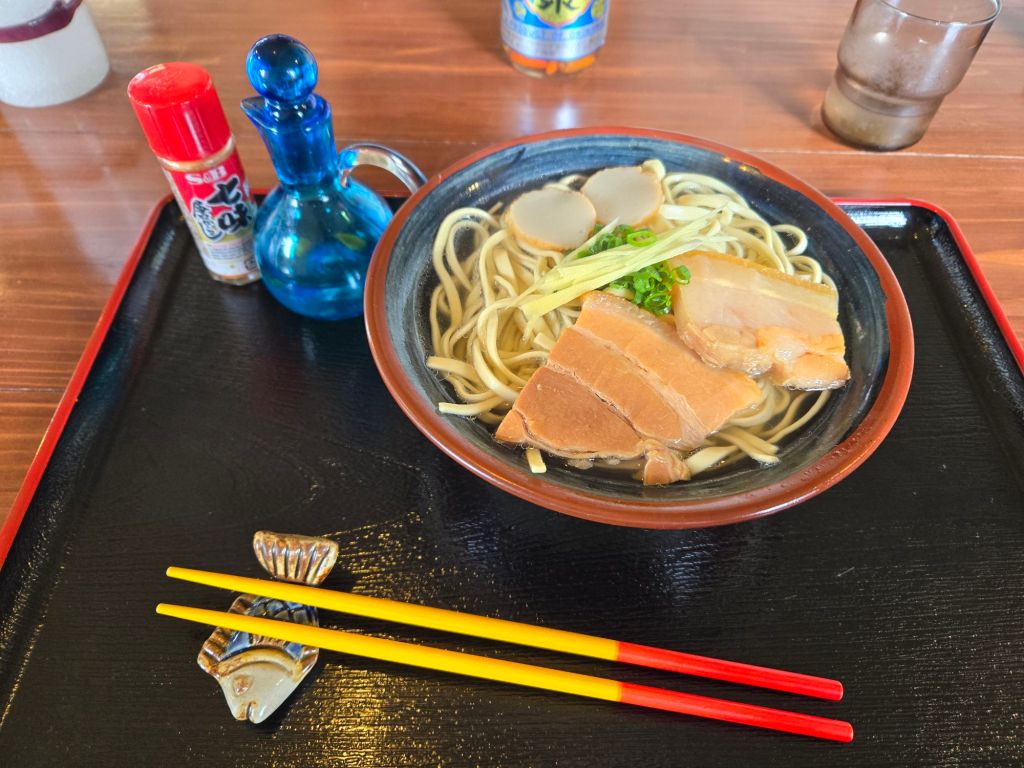
But it’s not just the weather that makes Okinawa different from mainland Japan. For 450 years, it was its own empire, the Ryukyu kingdom, trading with China and other southeast Asian countries. Its annexation by Japan in 1879, the abolition of its king, and its renaming as Okinawa Prefecture still rankles the locals, who identify as Okinawans first and Japanese second. Okinawans speak a dialect which my Japanese friend doesn’t understand, wear kimonos that are looser and lighter and include hats for both men and women, and feature dishes on their menus found nowhere on the Japanese mainland.
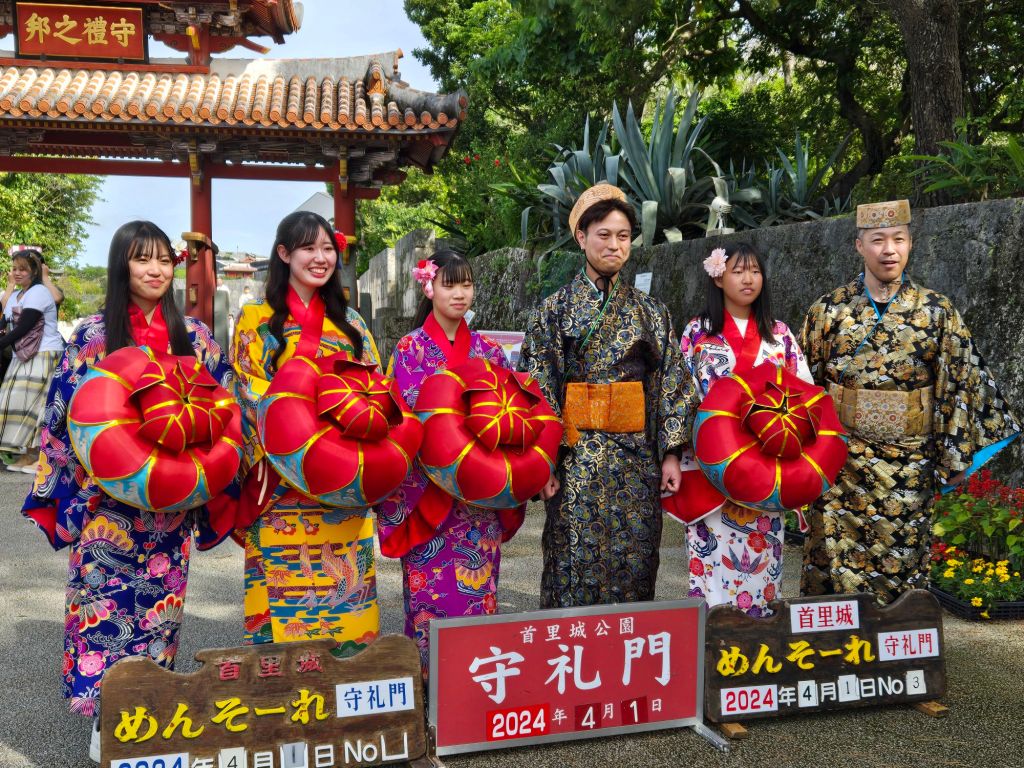
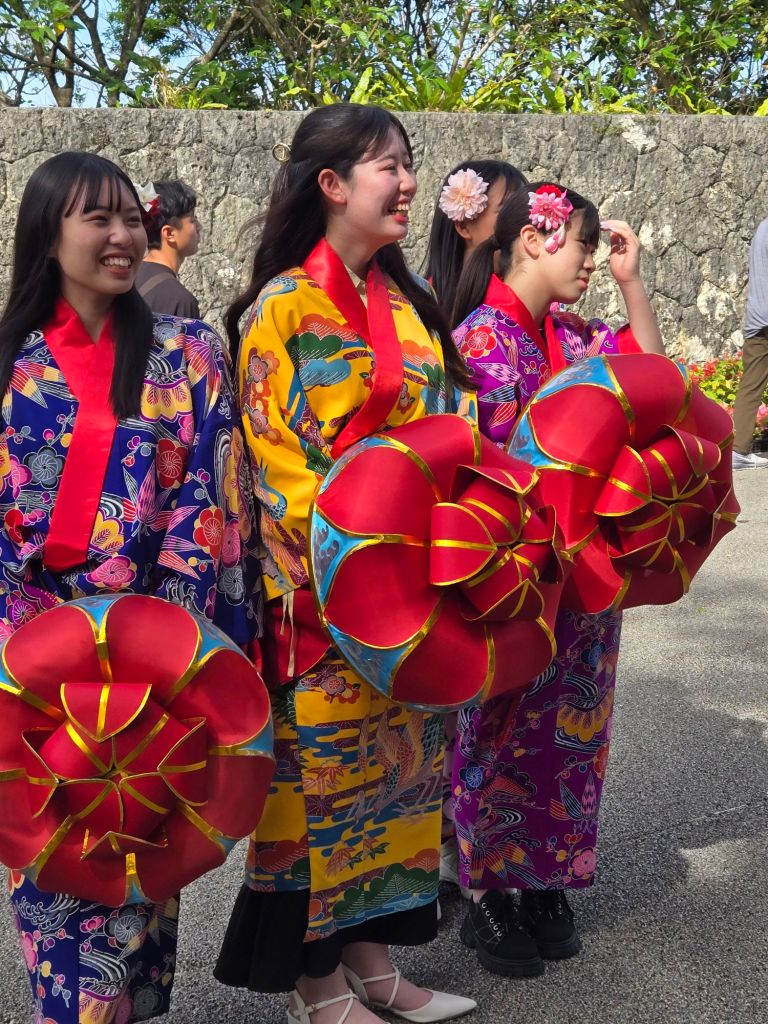
Every experience we had in Okinawa was characterized by the fierce independence of its people – watch for it in my upcoming posts. The prefecture has never shared in Japan’s economic prosperity, but its stubborn resilience and willingness to fight for its cultural differences make it a truly fascinating place to visit.

 Wise Woman Travel
Trust you Pam to go off the beaten track. Lovely piece on Okinawa.
LikeLike
Still more off the beaten path today on another Okinawan island!
LikeLike
I do see the similarities to Hawaii…especially the flowers!
LikeLike