I’d love to have you join me on my tour of Belgium. Please slide on over to my TravelPod site to read my first post. See you there!
http://blog.travelpod.com/travel-blog-entries/pyoung/2/1409043295/tpod.html
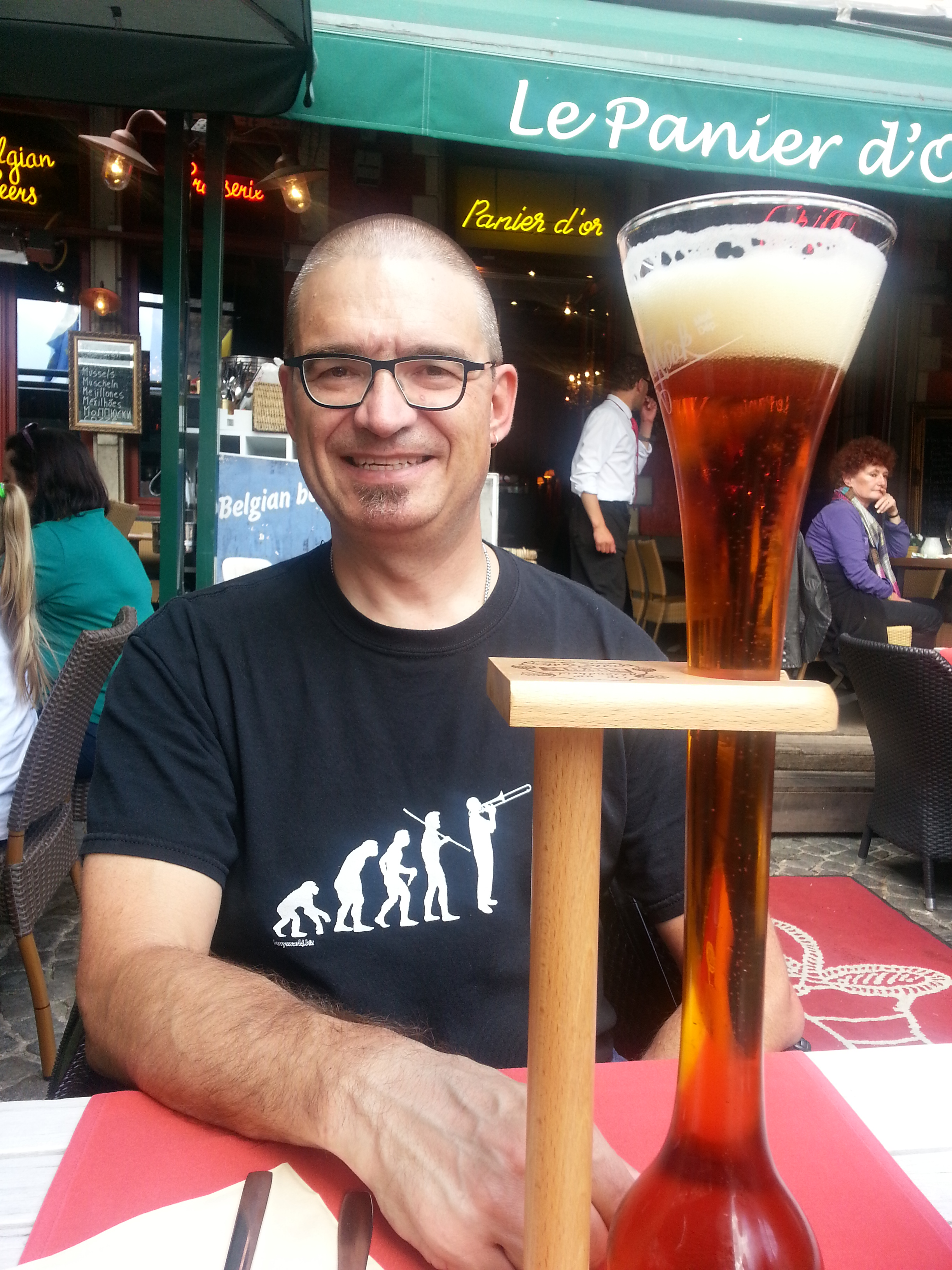
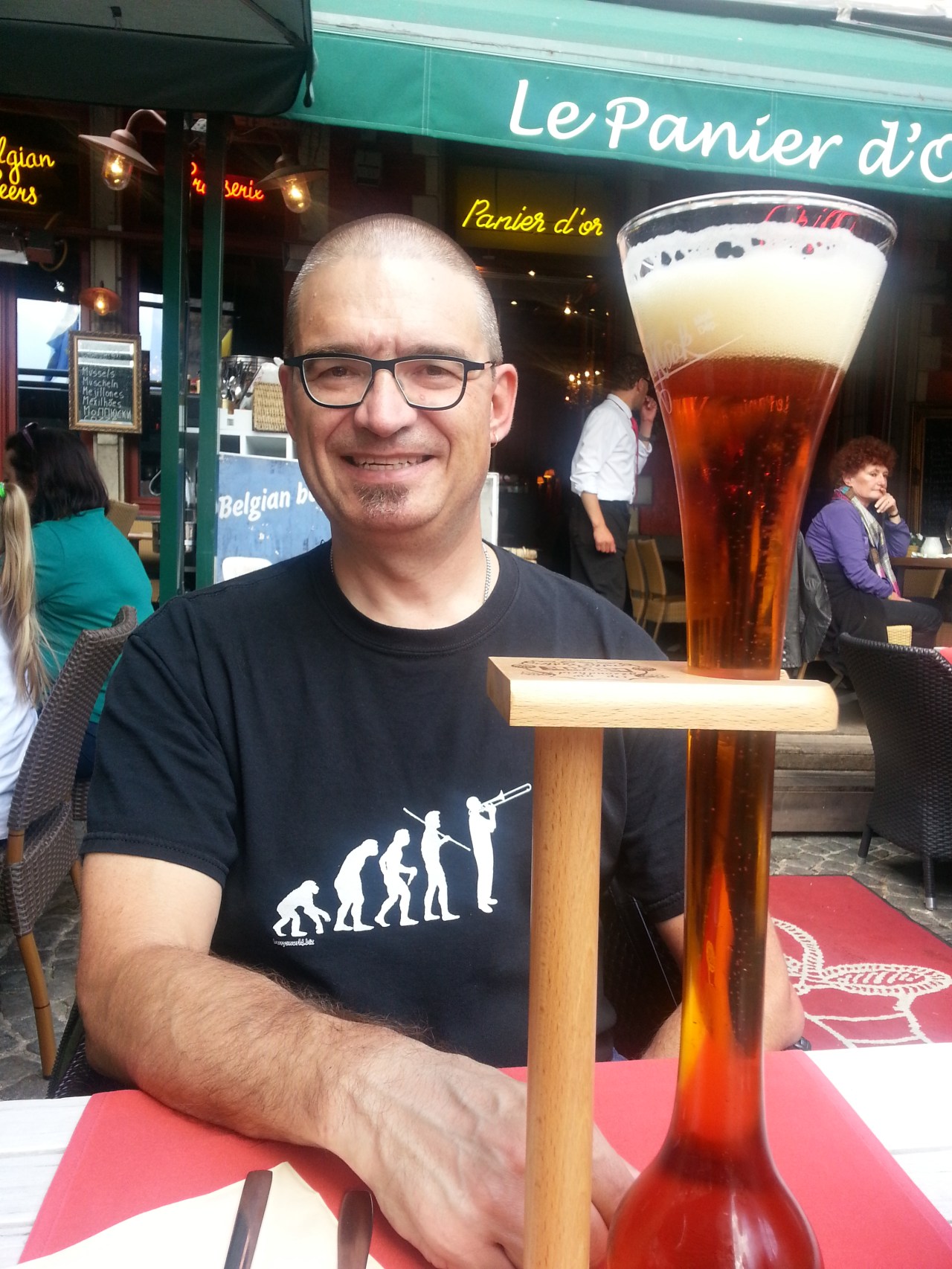
I’d love to have you join me on my tour of Belgium. Please slide on over to my TravelPod site to read my first post. See you there!
http://blog.travelpod.com/travel-blog-entries/pyoung/2/1409043295/tpod.html
|
"He is not missing. He is here."
Ypres, Belgium |
Ypres, Belgium
A few weeks before I left Canada for Belgium, I read a Globe and Mail article that discussed the issue of people forgetting the sacrifices made by WW I soldiers, since the veterans are no longer alive to tell their stories. For me, the deep emotional connection that I feel towards the second World War, thanks to the personal involvement of my parents and my uncles, was missing when I thought about the Great War. That changed after I experienced the museums and landmarks in and around Ypres, dedicated to giving voice to the now-silent soldiers and civilians who were plunged into this senseless “war of attrition.”
We joined the multigenerational, multicultural lineup inside the “In Flanders Fields” museum, located in Ypres’ 13th centre Cloth Hall. Our poppy identification bracelets, each embedded with a computer chip, allowed us to log in and receive stories about people who matched our age, gender, or nationality, as well as detailed information about items on display throughout the museum.
As we wandered through the exhibits, the mood kept sombre by shadowed light and instrumental music, we had many opportunities to learn more about World War I. Most impactful for me were the video encounters with Belgian civilians, soldiers from both sides of the conflict, priests, nurses, and doctors who told their stories, then disappeared into the dark screen. I was riveted by their experiences: becoming refugees from their own country; enduring the horrors of gas attacks, struggling with the pain of losing friends, laboring to help the injured and the dying, finding the magic in the all-too-brief Christmas truce.
The most personal experience of all came close to the museum’s exit. I logged into one final computer and found screen after screen of fallen men who shared my surname. Could some of them have been distant British or Canadian relatives, lost on a broken branch of my family tree? Could my life have been different if they had lived?
After more than three hours inside the museum, we re-emerged into bright sunshine on the cobbled square outside the Cloth Hall and headed out of town. Our first destination was the Saint Juliaan memorial to the Canadian troops who perished during the first gas attack on Ypres in 1915. The Brooding Soldier monument watched over us and a few others who gazed up at him in the quiet afternoon. I don’t view myself as rampantly patriotic, but I wished I had a little maple leaf flag to add to the others at the soldier’s feet.
A short distance down the road brought us to Tyne Cot, the final resting place of close to 12000 Commonwealth soldiers. Once inside the gates, I stood for a long time, trying to take in row on row on row on row of bone-white headstones, many without names, known only “unto God.” If, as Albert Schweitzer once observed “the soldiers’ graves are the greatest preachers of peace,” I can only hope that more world leaders find their way to this cemetery.
We made one more stop before heading back to Ypres – Essex Farm Cemetery, site of the medical station where John McRae wrote “In Flanders Fields” I recited the poem’s words aloud, connecting with their meaning in a way I’d never felt before.
We finished our day back in Ypres, standing under the Menin Gate, where tens of thousands of troops marched out to battle. Many of them would never return, their whereabouts unknown. The gate is inscribed with the names of almost 55000 soldiers who went missing in action.. During the 1927 Menin Gate inauguration ceremony, Field Marshal Herbert Plumer offered this reassurance to the families whose sons, brothers, husbands and uncles were never heard from again: “He is not missing. He is here.”
We joined hundreds of people from around the world to witness the ceremony that has occurred every evening at 8 p.m. since 1927, interrupted only by the WW II German occupation. The multilingual buzz in the crowd hushed, and even the small children on their fathers’ shoulders fell silent. An honor guard bugled “The Last Post,” a bagpiper skirled a Celtic lament. The military band played “Abide with Me” as dignitaries laid memorial wreaths. I felt a tear slide down my cheek. Next to me, a father wrapped his arms around his young daughter, her face buried into his chest.
The ceremony lasted less than 15 minutes. We watched the band and dignitaries march away, and drove back to Brugge in compatible silence.
|
Brugge, brollies, and Belgian beer
Brugge, Belgium |
Brugge, Belgium
Three days before we left Edmonton for Belgium, I finally found it: the jacket that would take me through the streets of Brugge and Brussels, the fields of Flanders and Waterloo, and still be suitable for browsing upscale museums and sitting in cute cafes with well-dressed Belgian women.
“This is our ‘tarmac to trail’ jacket,” chirped the Eddy Bauer sales clerk.”Stylish enough to take you wherever you want to go, but rain resistant, with a cozy lining and a hood, just in case you get caught in an unexpected shower.”
So this morning, as we head out under a drizzly Brugge sky, I smile from under my hood as the rain beads on my jacket patch pockets. Without the need for an umbrella, my hands are free to jam into my toasty side pockets. The other tourists, huddling under too small umbrellas or hastily bought blue plastic ponchos, seem woefully underprepared for the weather. All I need to do is veer around the puddles that are rapidly collecting among the cobblestones, and enjoy my walk.
Ten minutes later, as the rain intensifies, I notice the water beads have begun to melt together around my jacket seams. The cozy lining is starting to feel a little damp, and I remember that the clerk only promised me rain-resistant, not rain-proof. I begin to envy the tourists who walk underneath wide, sheltering, golf-style umbrellas, and ask Lorne how much farther we have to go.
We duck under a restaurant canopy, its outdoor tables deserted. “It has to be around here somewhere,” he says, peering at his phone. “I can smell the hops.”
We realize we’re right across the street from the De Halve Maan (the Half Moon) Brewery, this morning’s destination. Inside, we sign up for the tour that starts in 20 minutes.
De Halve Maan, in operation since 1856 under multiple generations of the Henry Maas family, prides itself on “brewed in Brugge” freshness. We follow our tour guide through warm, doughy-smelling brewing rooms, up onto the roof for a panoramic view of the town, and maneuver backwards down narrow staircases to the fermentation and storage areas.
Along the way, the guide tells us with a proud smile that Belgium is now overtaking Germany in beer making prowess: the German “purity” law means that no other ingredients besides water, yeast, hops, and barley can be used to make German beer, ensuring that one stein tastes pretty much like the next. “In Belgium, we have between 1000 and 1200 different brands of beer, all a little different. And each gets served in its own trademark glass, so you taste the beer exactly as its brewer intended.”
We’ve already quaffed a few of the local brews, so we can attest to their many flavors and modes of presentation. On our first day, Lorne quaffed a Kwak. He has also ventured into the realm of the mouth-puckering lambic beers.
Meanwhile, I’ve been enjoying beers brewed by the Trappist monks. Only ten Trappist breweries still exist world-wide, and six of them are located in Belgium . I can’t decide which I like more, the beer’s rich taste or the brand’s evocative “Taste the silence” slogan.
Our tour ends with a complimentary beer in the brewery restaurant, which we supplement with a bowl of ham, cheese, and beer soup. As we step back outside, my whistle is a little wetter, my coat a little drier, and I’m ready for our next Brugge.adventure.
Dear Henry,

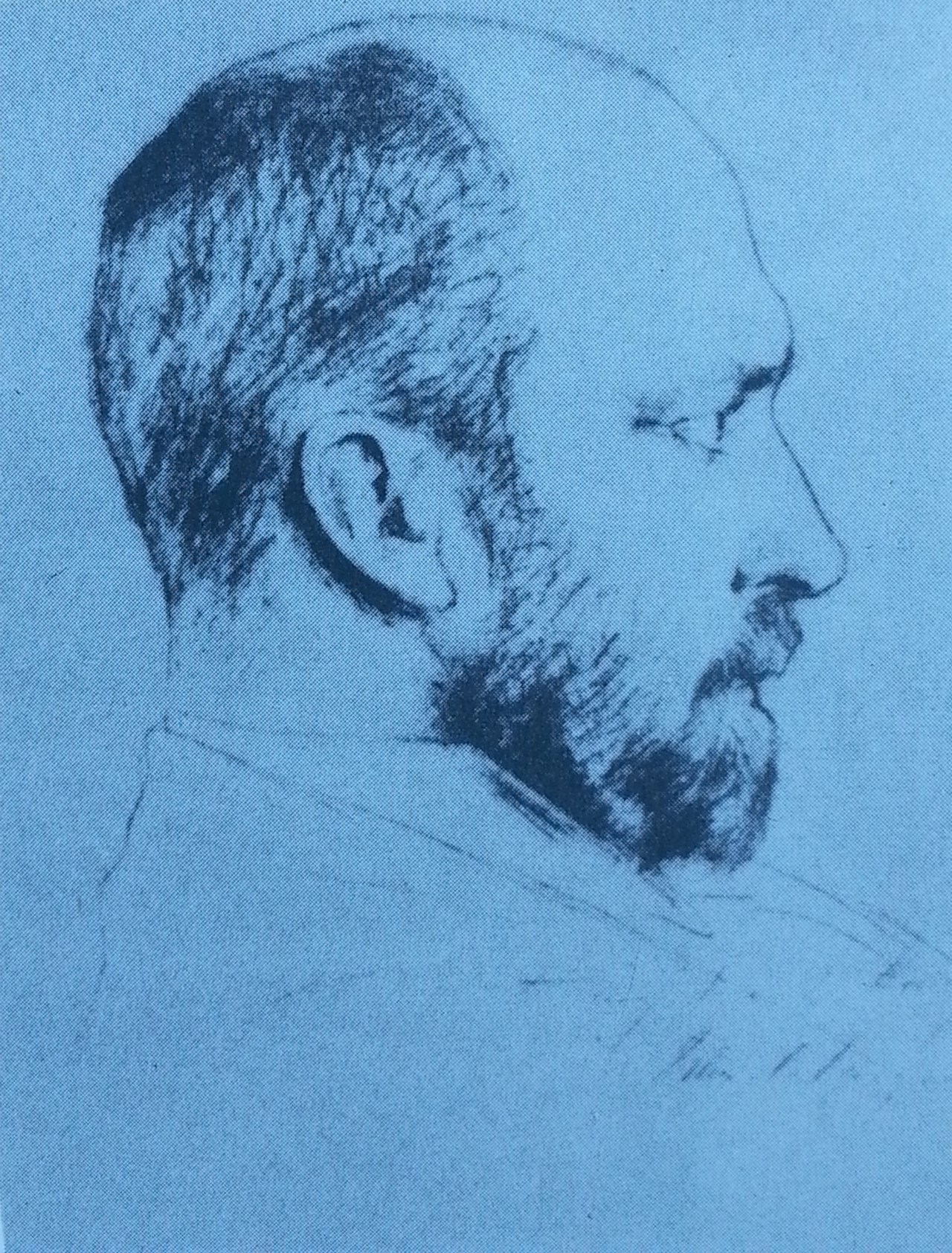
Henry James’ portrait from A Backward Glance by Edith Wharton
I hope it’s OK that I’m calling you Henry. ‘Mr. James’ just seems so formal, considering our past relationship. Of course, it was years ago, and more than a little difficult, but still, I remember you.
My American literature prof introduced us, no doubt hoping we’d hit it off. I recall sitting in the reading lounge next to the Humanities building with you in my lap, trying to get to know you. But you were never easy to figure out. I suppose the 114 year gap in our ages was partially to blame. You just didn’t talk the way I did. By the time I followed one of your sentences to its end, I’d totally forgotten what you’d said at the beginning.*
I complained about your verbosity to my sister, another English literature major. She did her best to help me understand you, putting The Turn of the Screw in my hands. With high drama, she assured me that it was “really creepy.” But with 19-year-old ingratitude, I pronounced it more crappy than creepy, tossing it – and you – aside. I honestly can’t say that I’ve thought much about you or your writing since.
Until last week.
I was cruising around on the Internet (you’d love it, Henry; you get a lot of press), looking to see if other writers have experienced the same summertime writing malaise that I am. Ever since the weather turned warm, and the days stretch out as lazily as I want to, writing has been just about the furthest thing from my mind.
And then, I discovered a special edition of The Quote Garden, blooming with writerly words about summer. As I scrolled down the page, I ran across this quote:”Summer afternoon – summer afternoon; to me those have always been the two most beautiful words in the English language.” Ahhh…I thought, how true. Wonder who said…What? Henry James? You’ve got to be joking!
Sorry, Henry. I guess that sounds a little harsh. But the words and the sentiment were so unlike the Henry James that I remembered. Not only was the sentence short enough for me to understand, but it was the first time that I felt as though I could relate to something you’d said. I just didn’t realize that you were capable of that kind of emotional spontaneity and authenticity. So my next thought was…Why? What circumstances prompted such an un-Henry James-like reaction to a summer afternoon?

Wharton at her writing desk, from A Backward Glance
At first, I thought you had put the words into the mouth of one your characters. But no – the phrase was yours, as reported by Edith Wharton in her autobiography A Backward Glance. You must have been really good friends because she devotes an entire chapter to you in the middle of the book, and you appear often in subsequent sections. The two of you visited each other frequently, in both the United States and in England until you were “more and more never apart.” Clearly, Edith respected your writing, your habit of being “always so helpful and hospitable to young writers,” and the “literary rough and tumble” you engaged in together as you discussed each other’s and your contemporaries’ writing.
In the way of a true friend, Edith also understood and accepted your eccentricities. Apparently, your speech was as wordy and complex as your writing. She good-humoredly reports a dinner guest listening to one of your stories, “floundering helplessly in the sea of James’ parentheses.” But she helped me to understand why you used words that way. As a boy, you had a severe stammer that doctors said was incurable. Speaking slowly and using “involved phraseology” was what she termed a “partial victory” over that speech impediment.
Edith was also aware that you were afflicted by bouts of nervous depression, which became “acute and uncontrollable” in the summer heat. She discovered that the “one panacea” for your distress involved bundling you into her car and driving you around. “While we were moving, he was refreshed and happy; his spirits rose.” You revelled in the sights and sounds of the English countryside. “No one ever felt more imaginatively, or with deeper poetic emotion, the beauty of sea and sky, the serenities of the landscape, the sober charm of villages, manor houses and humble churches.”

Photo credit: Lorne Dmitruk
On one of these motoring escapes, the two of you went to Bodiam, a 14th century moated castle in East Sussex. “It was still the old spell-bound ruin, unrestored, guarded by great trees….Tranquil white clouds hung above it in a windless sky, and the silence and solitude were complete as we sat looking across at the crumbling towers, and at their reflection in a moat starred with water lilies and danced over by great blue dragonflies. For a long time no one spoke, then James turned to me and said solemnly, ‘Summer afternoon – summer afternoon; to me those have always been the two most beautiful words in the English language.'”
For Edith, your words were “the essence of that hushed scene, those ancient walls.” For me, your observation about the serenity of summer afternoons also embodies the essence of your relationship with Edith. You could be completely yourself with her, assured of her friendship in spite of your constant battles with impediments that impacted more than your speech. You could say exactly what was in your heart, in the simplest possible way.
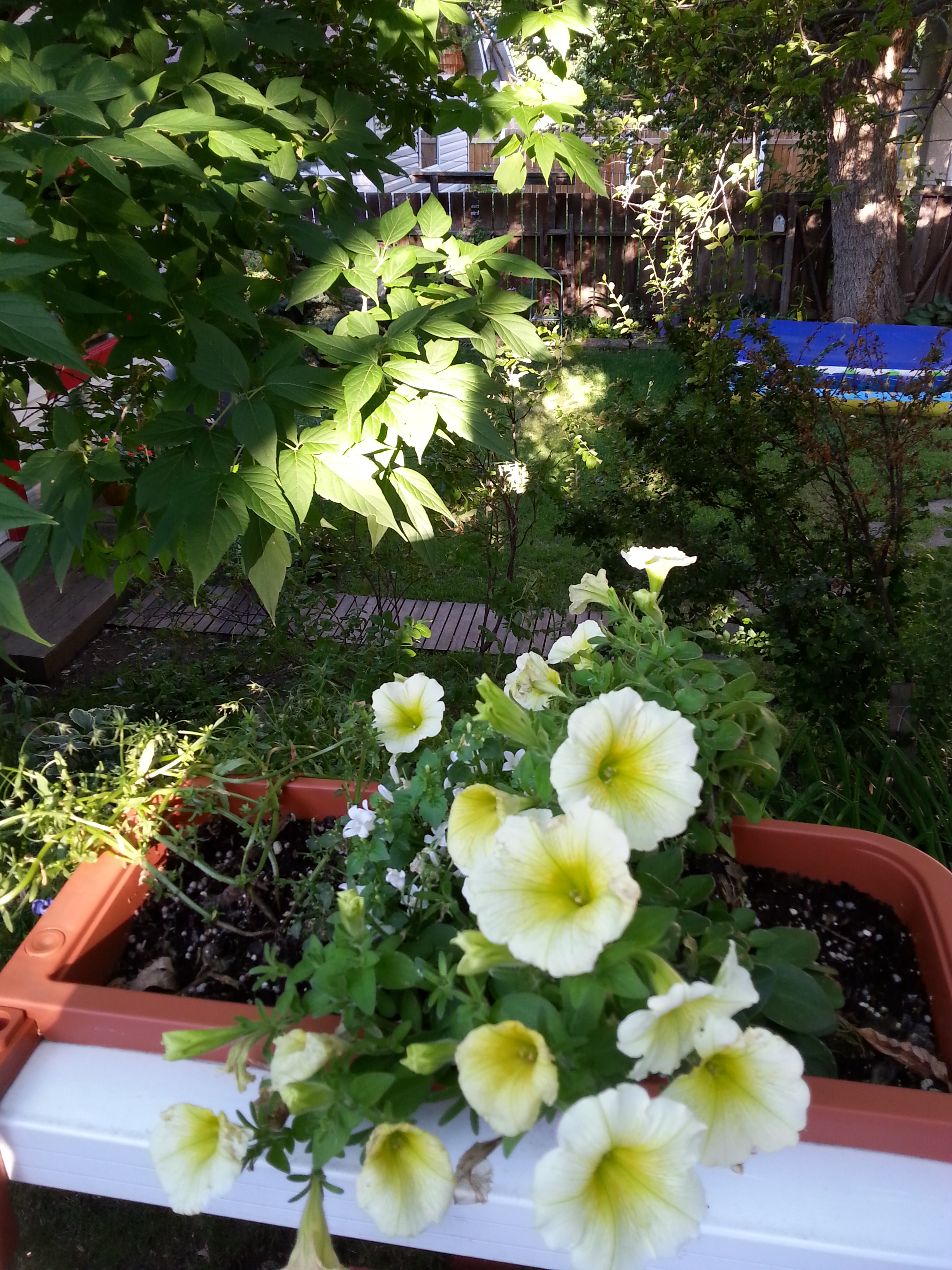 I can relate to how you must have felt that day. I feel the same way early on a summer morning when I step out onto my dew-moistened deck with a steaming mug of coffee. The canopy of maple leaves is motionless, the cloudless blue sky beyond them already diluted by the promise of afternoon heat. But now, the air is cool, the sun filtering golden through the elm on the other side of the fence. Sometimes, my neighbor is out with her coffee at the same time. We say good morning in quiet voices, not wanting to interrupt each other’s serenity.
So, Henry, I just wanted to let you know that almost 40 years after our first meeting, I finally found an emotional intersection with you. Maybe I needed to mature a little before I could appreciate you. Maybe I needed Edith’s assistance to understand the you who was, in her words,”so different from the grave personage known to less intimate eyes.” I’ve learned over and over again that people seldom reveal their complexities unless we give them time, space, patience, and compassion. Making this discovery about you, Henry, was a wonderful reminder of that truth.
With love (two more of the most beautiful words in the English language),
Pam
* Here’s a sample sentence from James’ The Golden Bowl: “She had got up with these last words; she stood there before him with that particular suggestion in her aspect to which even the long habit of their life together had not closed his sense, kept sharp, year after year, by the collation of types and signs, the comparison of fine object with fine object, of one degree of finish, of one form of the exquisite with another–the appearance of some slight, slim draped “antique” of Vatican or Capitoline halls, late and refined, rare as a note and immortal as a link, set in motion by the miraculous infusion of a modern impulse and yet, for all the sudden freedom of folds and footsteps forsaken after centuries by their pedestal, keeping still the quality, the perfect felicity, of the statue; the blurred, absent eyes, the smoothed, elegant, nameless head, the impersonal flit of a creature lost in an alien age and passing as an image in worn relief round and round a precious vase.” (As reported in http://ask.metafilter.com/35008/What-is-Prousts-longest-sentence)

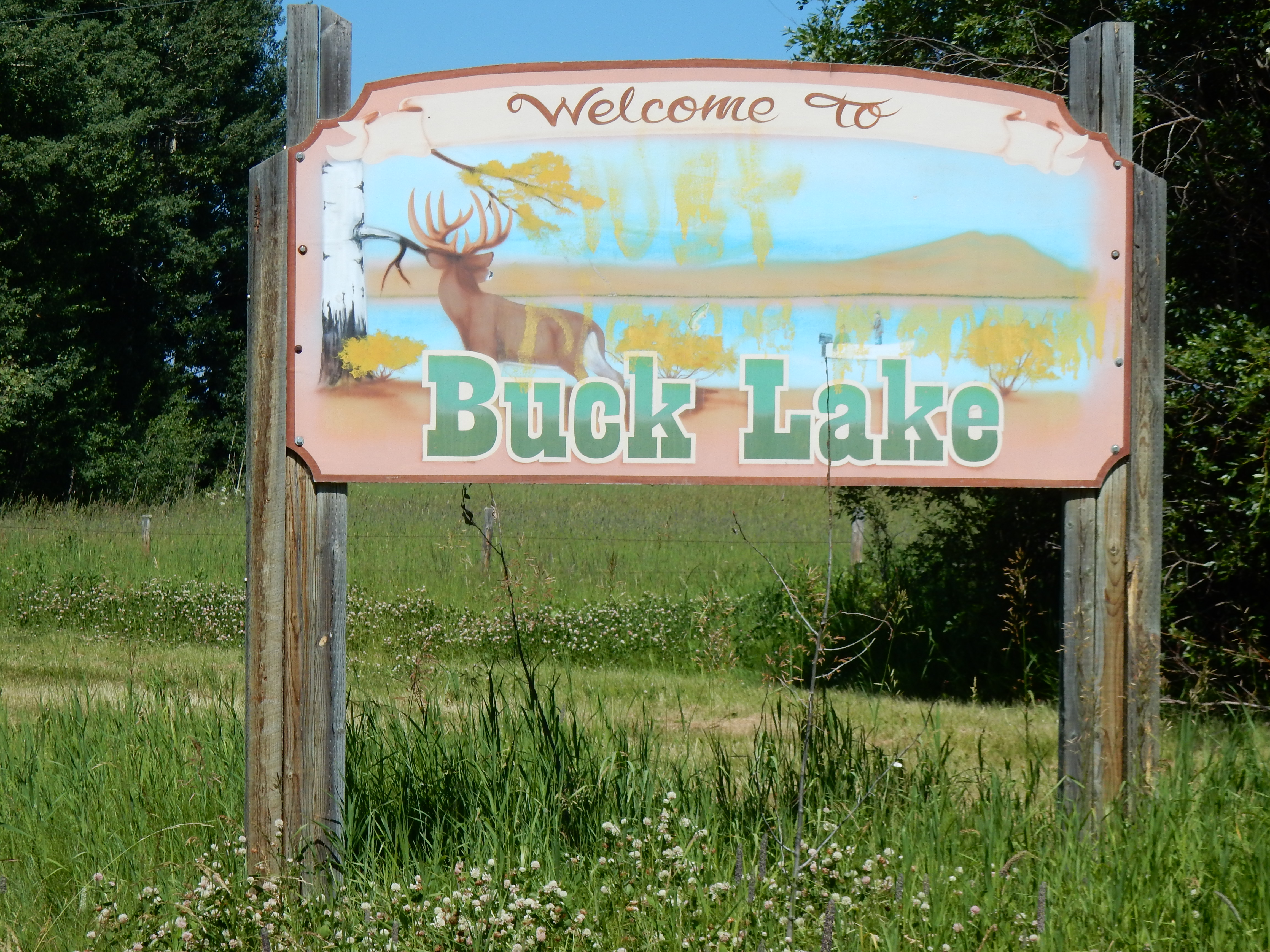 “Excuse me,” I call out my driver’s side window. “Can you tell me which way to the pancake breakfast?”
The woman sitting roadside in her white plastic patio chair shakes her head. “Sorry, you’re too late for that. It was over at 10.”
“Is there anywhere else in town where I could get some breakfast?”
“Well, maybe the farmer’s market. It’s just up the road. But that’s the muster point for the parade, so it’ll be busy, and they’ll be closing this road pretty soon. Better find a place to park your car and walk the rest of the way.”
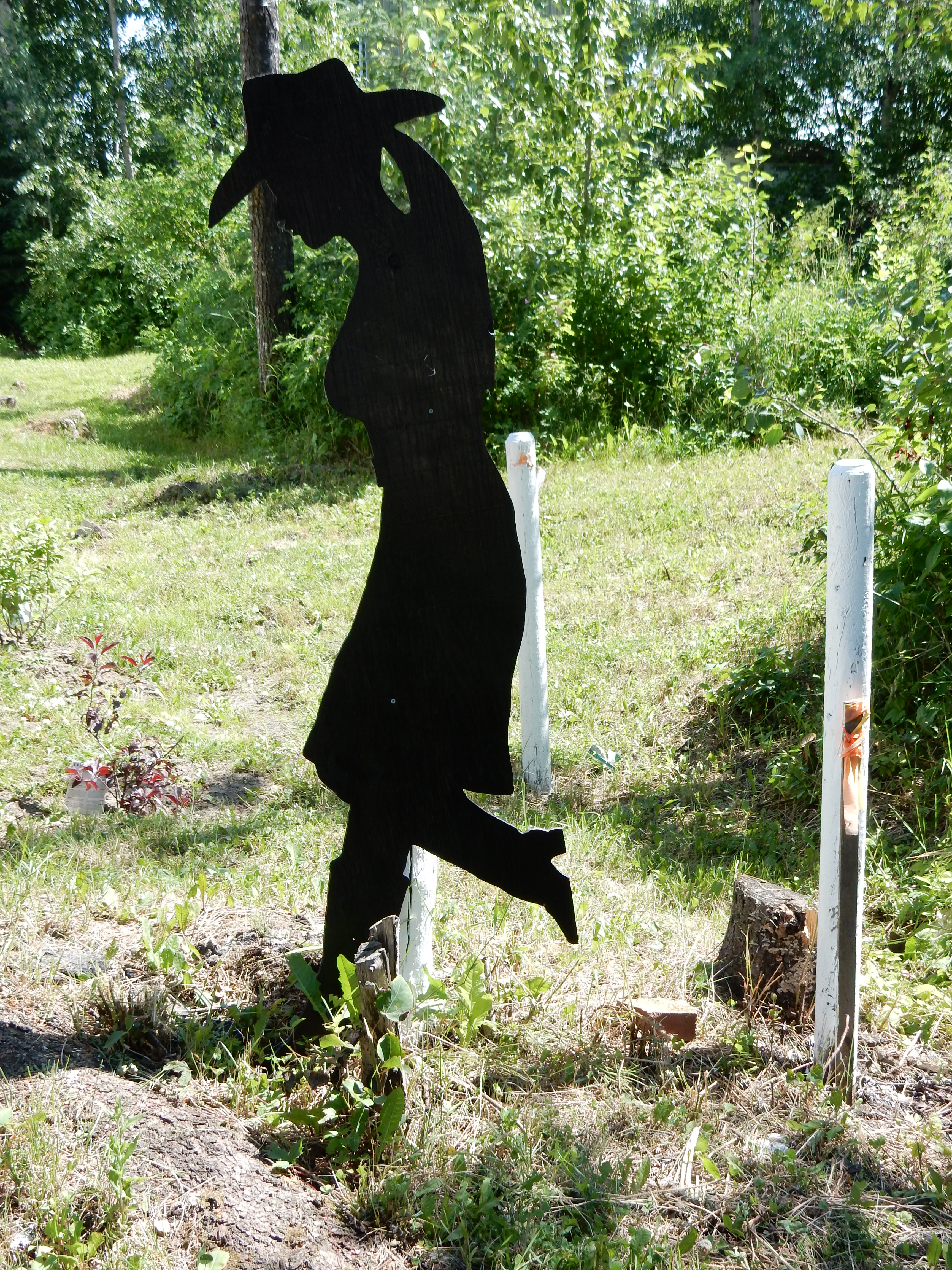 I join the lineup of vehicles slowly making its way down highway 13 through Buck Lake, Alberta, where stampede and rodeo weekend is in full swing. Throughout the spring and summer, Alberta hosts close to a hundred small town rodeos, where cowboys tall and small compete to earn enough money to qualify for the Canadian Finals Rodeo, held in Edmonton every November.
Of course, you can always attend the granddaddy of Alberta stampedes in Calgary. But if you want an authentic community experience, you’re better off joining the locals in a hamlet like Buck Lake, usual population 75, as they welcome family, friends, rodeo participants, and tourists like me to their annual yeehaw weekend. You’ll enjoy a pancake breakfast (if you get up early enough), a parade, and rodeo events during the day, followed by a barbecue and dance that night.
My Buck Lake informant was right – the closer I get to the market, the busier it becomes. The campground is overflowing, and all along the parade route, people have staked out choice viewing spots in the shade – not that there’s exactly a bad seat, but who can resist the excitement of getting ready early?  I hoof the final two blocks to the community hall and find a vendor who makes me a bacon and egg sandwich. Then I head back outside to claim my own parade viewing spot across from the United Farmers’ of Alberta building, the hub of many rural communities.
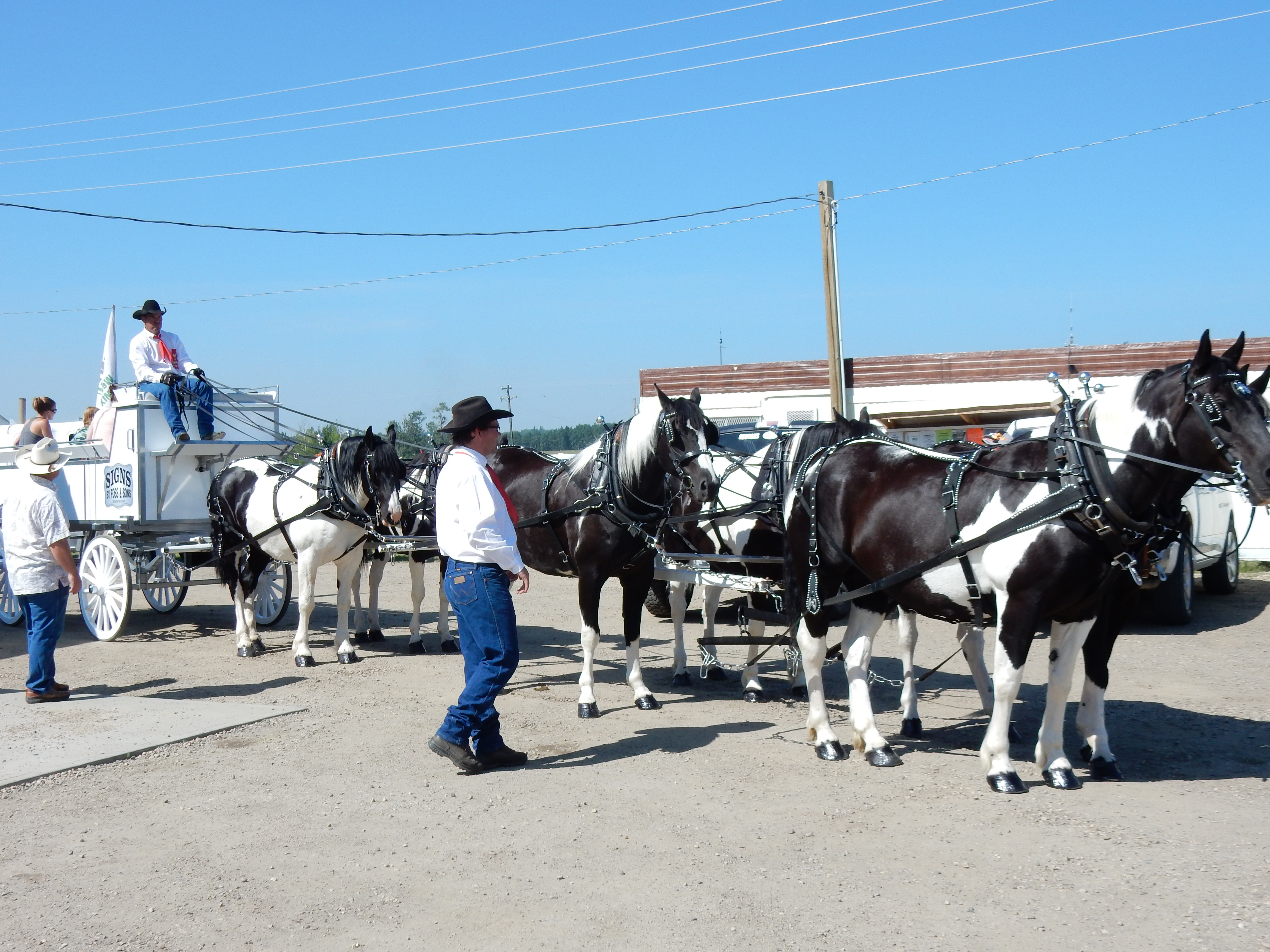 At precisely 11 a.m., a gleaming white wagon, pulled by a team of muscled draft horses, makes its way onto the highway. We cheer and applaud. After that, pretty much anybody from Buck Lake or any nearby town who wants to be in the parade, is in the parade. Of course, this is horse country, so there are lots of mounted entries.


But if your horse is too small for you to ride, or your mom says you’re too little to ride one yet, you might have to make other arrangements.


Maybe you’re more interested in mechanized horse power…


Or entertaining the crowd with a few country and western tunes


Maybe your parade prowess is schmoozing with the crowd, either the ones right in front of you….or the ones in the virtual universe.


Of course, you could just be here for the candy. Who says that Hallowe’en only happens in October?


Within twenty minutes, all the entries have disappeared down the highway. People fold up their lawn chairs, gather up their children, and wander back towards their houses, their pickup trucks, or the farmer’s market. I’m on my way too, back to my urban life and responsibilities. But, as so often happens when I join a community, however briefly, for a celebration of who they are, I leave having added another facet to who I am. The people of Buck Lake lead very different lives from mine. But we share a belief that communities are strengthened when they show pride in who they are, and welcome others to understand them. And for this Magpie Learner, that’s some of the most important learning any of us can do.


Autumn blogging was easy. Last November, when Magpie Learner left the nest for the first time, evening was arriving earlier and earlier. I’d stand at my living room window and watch the last of the elm leaves shivering on bare branches. As our furnace kicked in at my feet, I’d close the drapes, cozy into my lounge chair, and write.
By January, blogging was practically a necessity. As the snow piled up and the temperatures plummeted, I took refuge in the literal and figurative warmth of my little enotebook, keyboard dreaming to escape a prairie winter that didn’t want to let go. Even when the calendar said it should be spring, the cold weather lingered. I was forced to delay the delight of planting my container flower garden well into May, and even early June. Might as well blog…
 Now, finally, it’s summer. Where I live on the Canadian prairies, June soulstice brings us more than 17 daylight hours. Summer warmth lingers into the evening. The aroma of barbecuing steaks wafts through the neighborhood. Restaurant patios are packed with people wearing cool sunglasses. Festivals fall all over each other, competing for our attention: The Works Art and Design Festival, Jazz City, the FreeWill Shakespeare Festival, Taste of Edmonton, the Street Performers Festival, the Folk Festival, the Fringe Festival. There are so many activities attracting my Magpie quest for new experiences, I hardly know what to do first.
But blogging? Now that’s another story – and not one that I’m particularly motivated to tell. Summer just doesn’t seem like the time to do the hard mental work of putting ideas onto virtual paper.Maybe it’s my background as a public school teacher that signals the beginning of two months of leisure. Maybe it’s the heat. Or maybe it’s the words of a Globe and Mail newspaper columnist whose words about summer in Canada always stuck with me: “In July, we think summer will last forever. By August, we know it won’t.”
Whatever the reason, I realize it’s been almost a month since my last post. And so, Magpie Learner readers, I’m offering you a mea culpa version of “Summer Lovin'” from the musical Grease. Is it an excuse for not blogging regularly this summer? Yup. Is it designed as a stop gap measure to humor you until I feel like blogging again? Absolutely.
Since no parody is any fun unless you know the original, have a listen here if you’re not familiar with the tune or you don’t remember the words. Then watch for your part in the new lyrics and let me hear you loud and clear across the blogosphere:
[Pam]
Summer bloggin’ isn’t a blast
Summer bloggin’ doesn’t go fast
Weather’s warmer, don’t wanna post
Writing’s hard now, I’d rather coast

Summer days driftin’ away
Maybe I’ll blog some summer night.
[Magpie Learner Readers]
Uh well-a well-a well-a huh
Tell us more, tell us more
Did you get very far?
Tell us more, tell us more
Did you write above par?
Uh-huh uh-huh uh-huh uh-huh
[Pam]
Thoughts swim by me, brain’s got a cramp
I don’t chase them, interest is damp
I don’t save them, don’t write them down
I ignore them, head out of town.
Summer sun, wanna have fun
Maybe I’ll blog some summer night
[Magpie Learner Readers]
Uh well-a well-a well-a huh
Tell us more, tell us more
Are ideas in sight?
Tell us more, tell us more
Please don’t put up a fight
Uh-huh-uh-huh-uh-huh-uh-huh
[Pam]
 Wanna sit here, read in the shade
Have some nachos, drink lemonade
Tend my flowers, go for a walk
It’s still light past ten o’clock
Summer’s here, hand me a beer
Maybe I’ll blog some summer night
[Magpie Learner Readers]
Uh well-a well-a well-a huh
Tell us more, tell us more
Is a post in the bag?
Tell us more, tell us more
Or did you hit a snag?
Shoo-bop bop, shoo-bop bop, shoo-bop bop,shoo-bop bop, shoo-bop bop, shoo-bop bop, shoo-bop bop, YEH
[Pam]
Summer’s friendly, holding my hand
Wanna bury my toes in the sand
Summer’s sweet, she’s no has-been
Summer’s good, you know what I mean
[Magpie Readers]
Woah!
[Pam}
Summer heat, it can’t be beat
Maybe I’ll blog some summer night
[Magpie Learner Readers]
woo, woo, woo
Tell us more, tell us more
When will you post again?
Tell us more, tell us more
Sunday, Monday or when?
[Pam]
In a few weeks, summer will end
When it does will
we still be friends?
‘Cause I’ve made this blogging vow
Post this fall, don’t post much now
Summer days, won’t always stay
I’ll be back on some August ni -ight!
[Magpie Learner Readers]
Tell us more, tell us more!
Diana Ross recorded “I’m Coming Out” in 1980. Don’t remember it? Refresh your ears here . The link will open in a new window so the song will play in the background, capturing the joy of the celebrations.

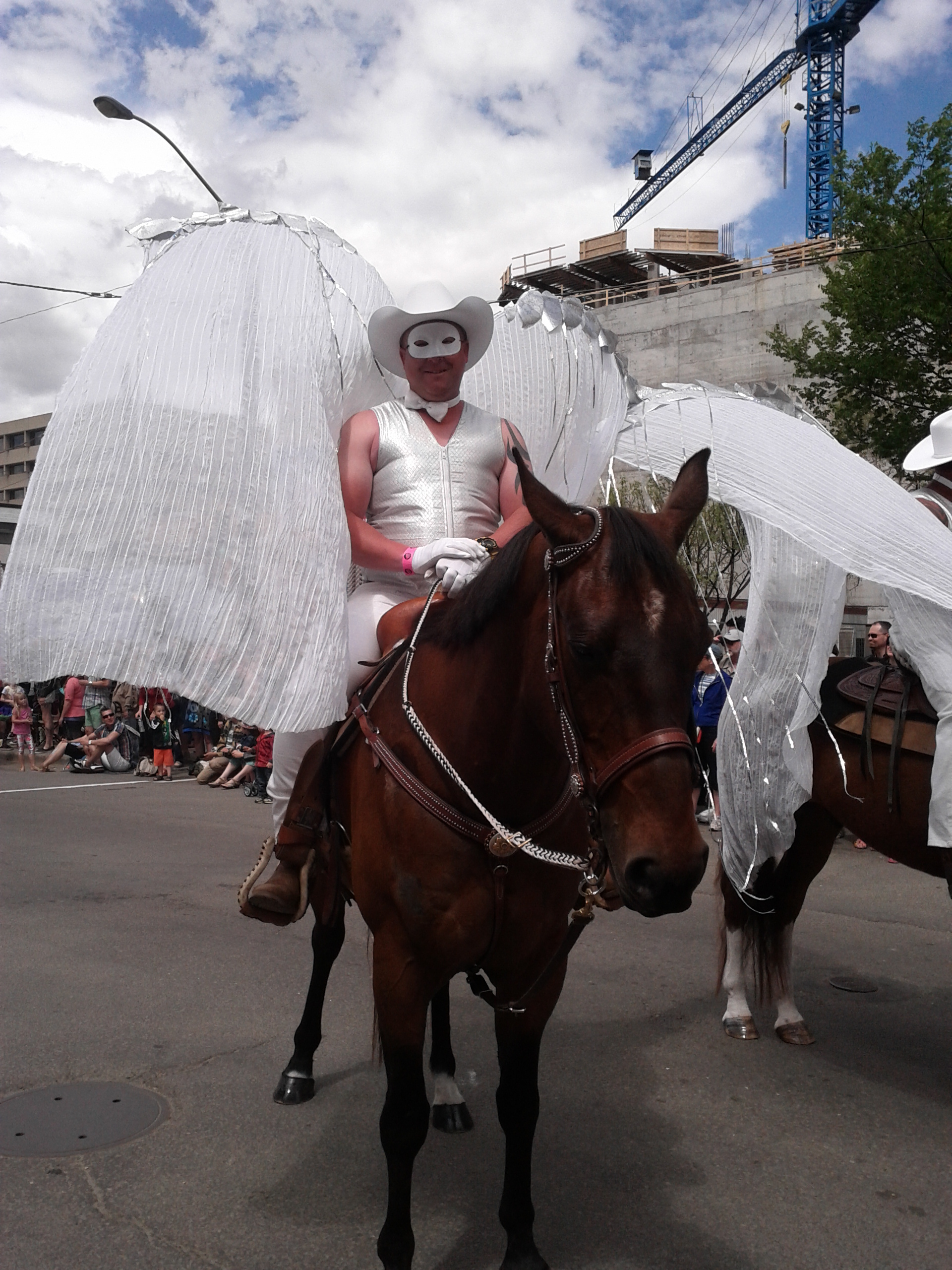
I’m comin’ out

I want the world to know
I got to let it show
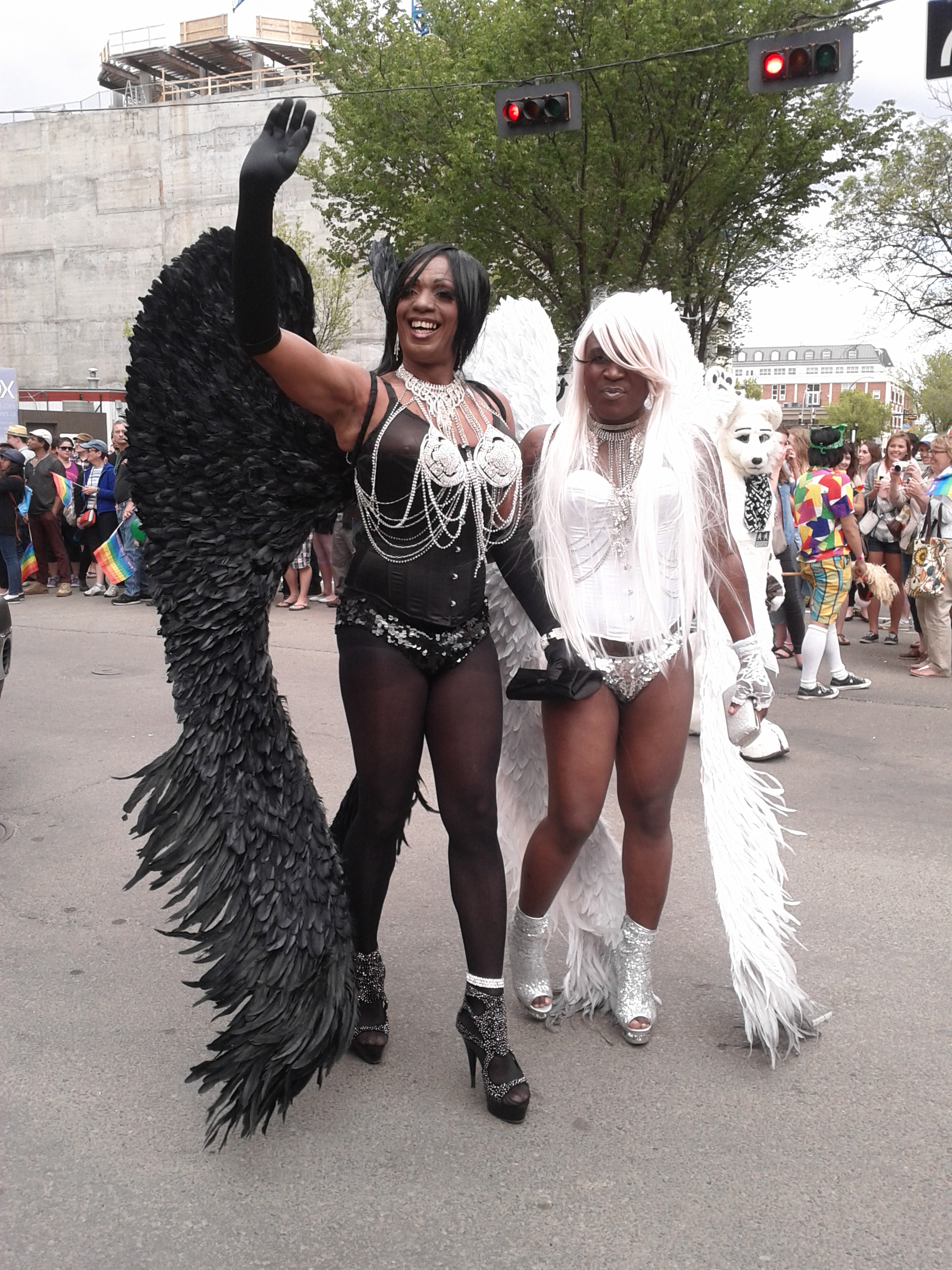
I’m coming out
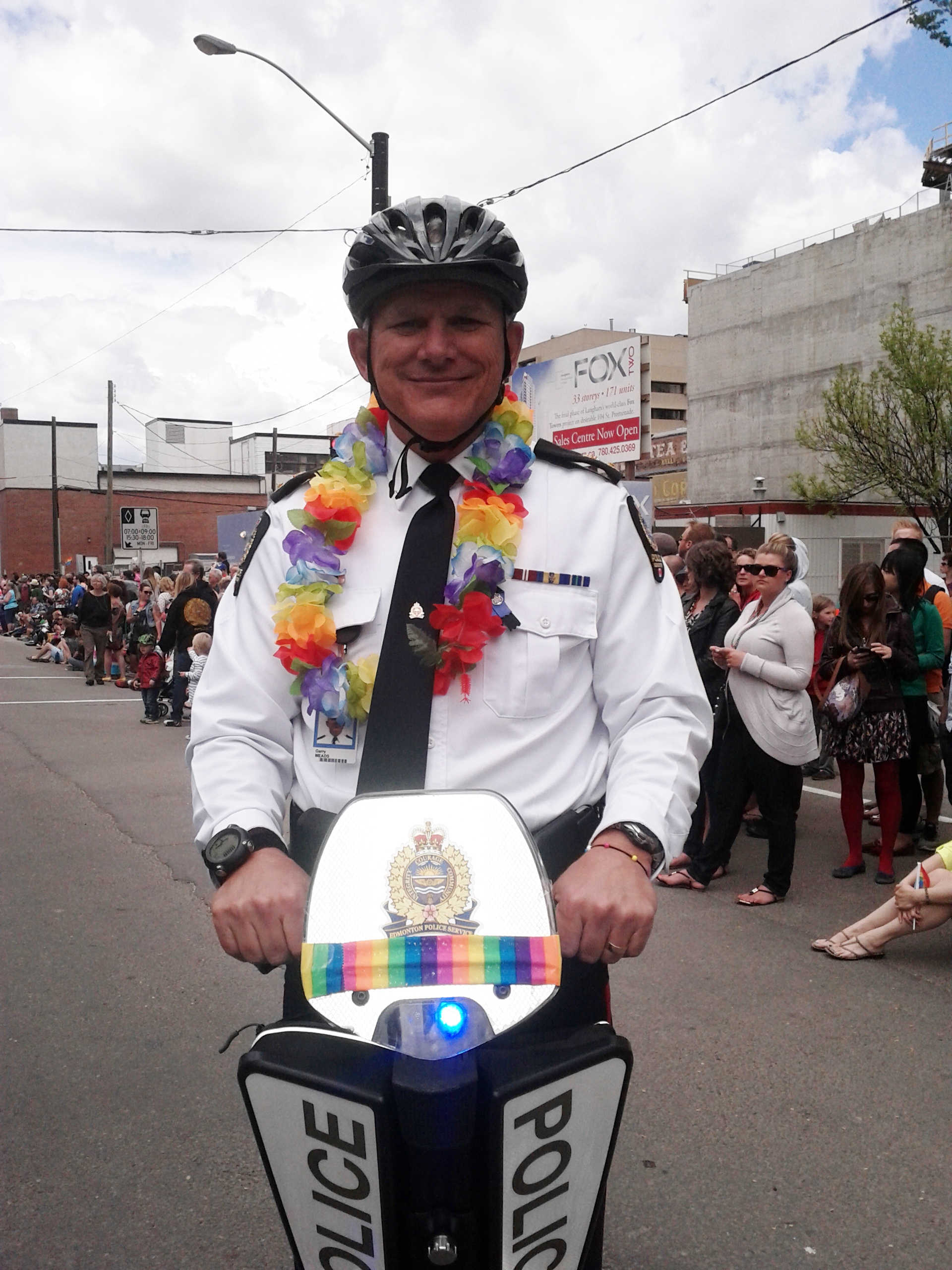
I want the world to know
I got to let it show
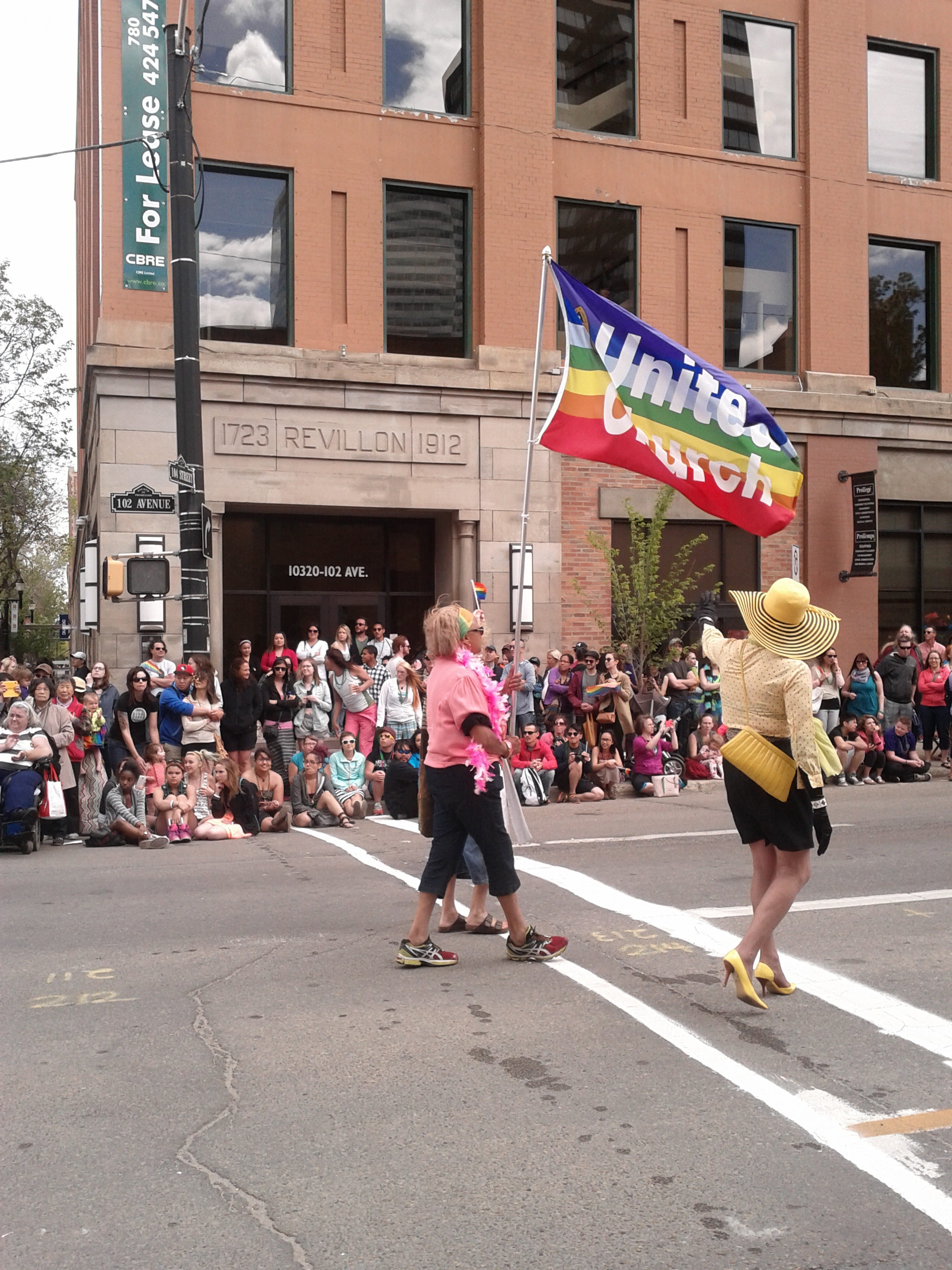
There’s a new me coming out

And I just had to live

And I wanna give
I’m completely positive
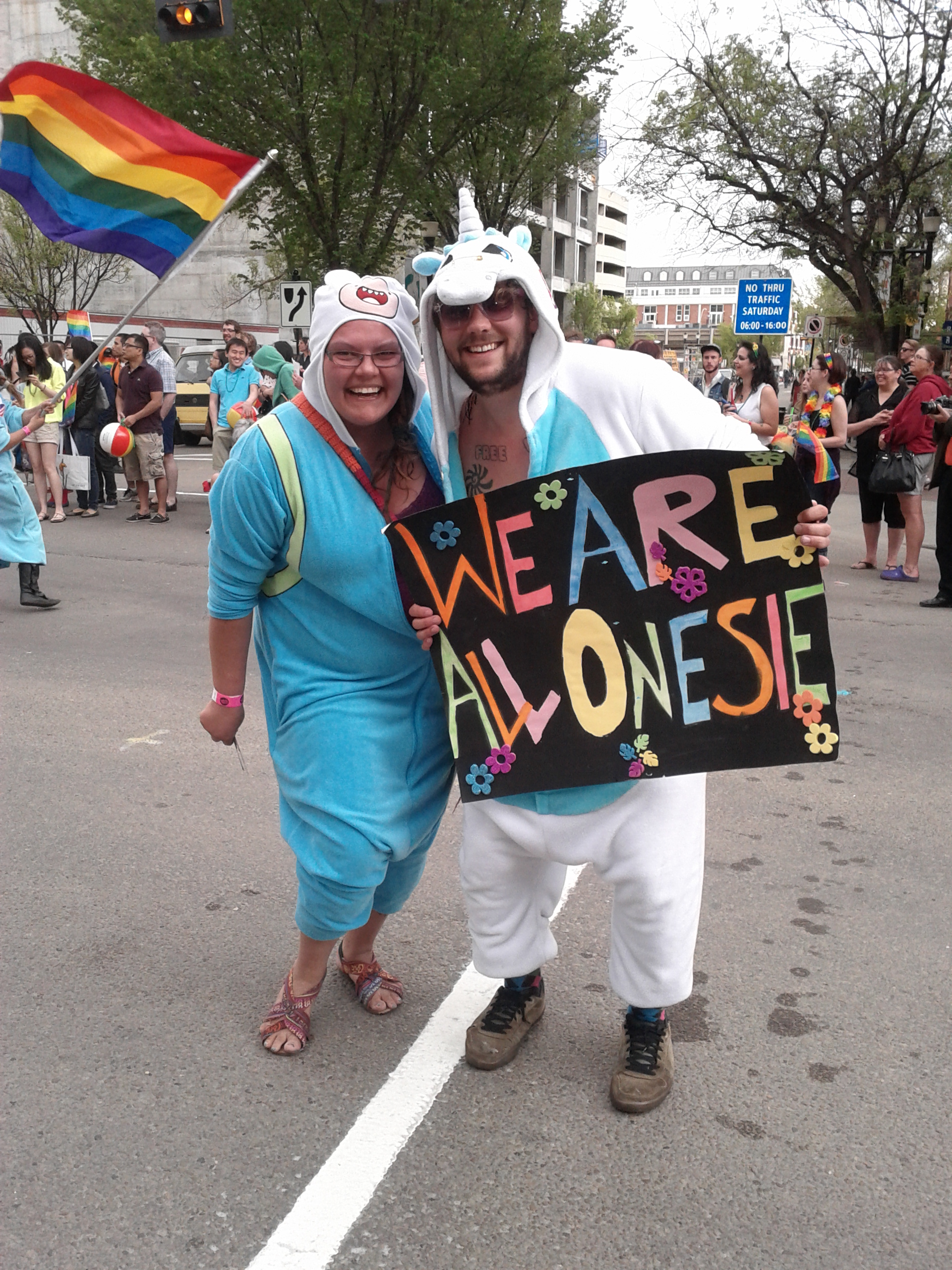
I think this time around
I am gonna do it

Like you never knew it
Ooh I’ll make it through

I have to shout
That I am coming out
The time has come for me
To break out of this shell

I’ve got to show the world
All that I want to be

And all my abilities
There’s so much more to me

Somehow I have to make them just understand

I got it well in hand

And, oh, how I’ve planned
I’m spreading love

There is no need to fear
And I just feel so good
Every time I hear

I’m coming out
I want the world to know
I’m going to let it show
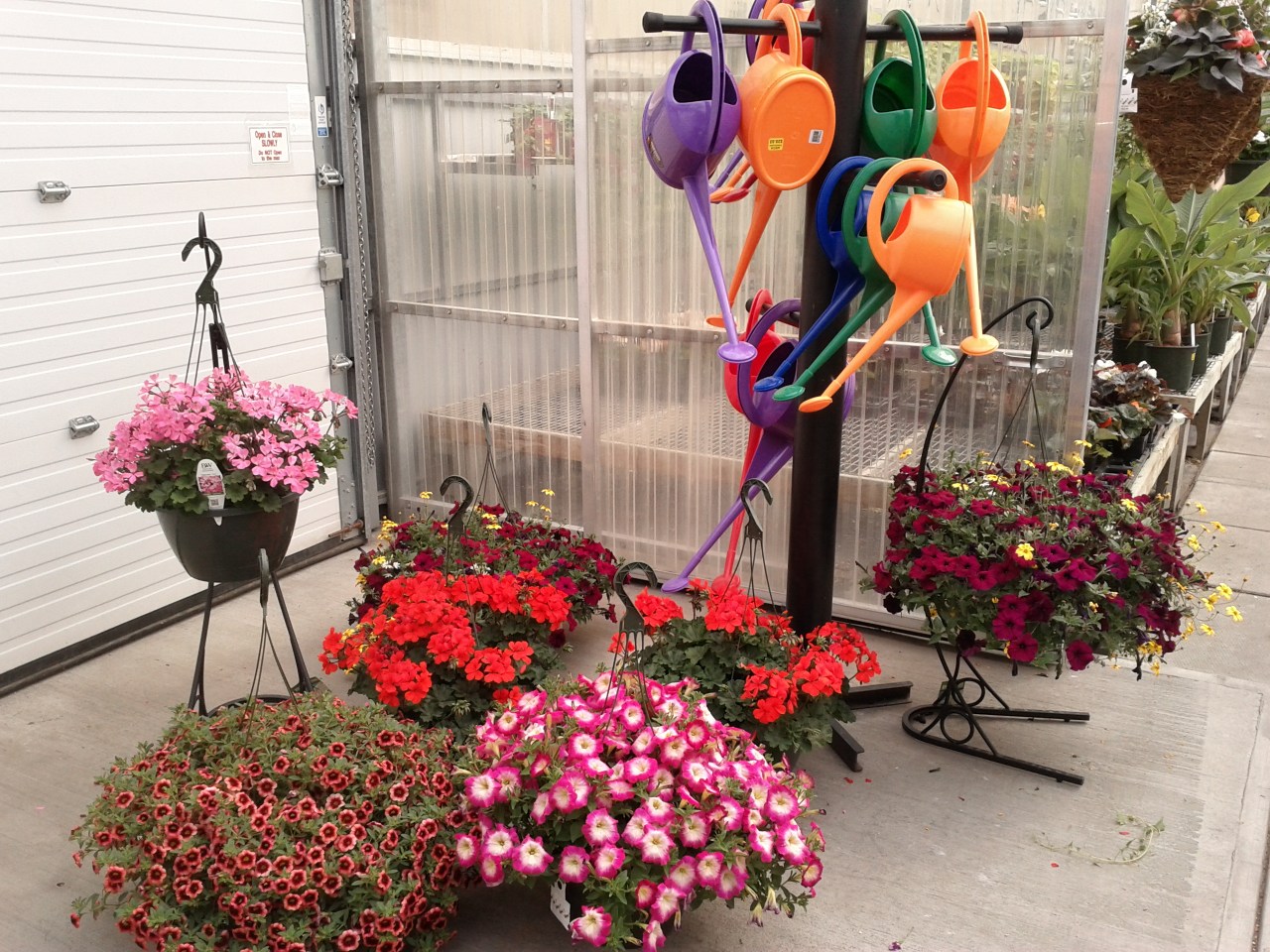
1. Waking up in the morning will be olfacto-licious…
In ocean-absent, oil and gas-present Alberta, I don’t really smell any natural aromas from October to April (exceptions: our scorched Hallowe’en Jack-o-lantern right after I blow out its candle , and our unfashionable live Christmas tree before it dries up and becomes a fire hazard). So every time I step into Arch Greenhouses, my favorite place in Edmonton to buy bedding plants, I close my eyes, and inhale the richness of warm, damp earth. As I wander the aisles, I savor regional wafts of tomato plant spiciness, geranium sharpness, petunia sweetness. I could get used to that on a daily basis.
2. …and also ocula-scrumptious.
After the leaves blow off the poplars in October, prairie living means staring out at a black and white photograph for the next six months. This year, winter kicked us around longer than usual, and I craved color. When I move into Arch Greenhouses, I’ll open my eyes every morning to a rainbow buffet breakfast.
3. People who visit are happy…
I’ve never seen a genuinely sad-looking person at Arch or overheard an argument. People are mostly pretty quiet. Their eyes narrow a little as they hold up a marigold and try to visualize it in their south-facing window box. They put their head to one side as they consider how many white begonias they need for that shady space by the front steps. And their faces light up as they unhook the perfect hanging basket of flame-orange million bells and settle it into their cart.
4. …and polite too.
It takes more than a little finesse to manoeuvre those cucumbersome plant trolleys up and down Arch’s aisles. Edging past a person pushing one in the opposite direction is almost impossible. But I’ve never experienced an incident of aisle rage. “Wait, you come through first,” a woman told me cheerfully last weekend. “I think if we’re both careful, we might have just enough room to both get by,” smiled another. Sometimes, I opt to park my trolley, and explore less accessible corners on foot, so to speak. When I return, my plants are always just as I left them: I’ve never had anyone help themselves to one of my meticulously selected collection.
5. I’ll be surrounded by teachers.
Arch employees know and love plants, and are pleased to share their expertise, even when I give them a vague description of what I want. This year, I hesitantly approached a woman in the midst of her morning watering. “Um…I’m looking for a plant you’ve had here before, it’s got really dark blue flowers, and it’s name has the word ‘tiger’ or ‘lion’ or something in it.” Without a pause, she responded, “Do you mean “Wildcat Blue Anagallis?” Yes, absolutely.
 6. I’ll be reminded to dream.
Every year, Arch displays a massive campanula globe, gushing over the edge of its pot like a violet waterfall. It is never for sale. People smile and point, gently lift its fronds, stand back and admire its lush roundness. “Ooh, I just want to HUG it!” I overheard a woman say. Many of us will buy our two or three, 4″ campanulas for our own containers, accepting that the grandmother of all campanulas is out of reach – this year, at least.
So, if you’re the last Arch employee to leave at the end of the day, please try to ignore the contented little sigh you hear coming from underneath one of the bedding plant benches. Pretend you don’t notice the yellow pup tent, illuminated by a small reading lamp, or the corner of a blue sleeping bag caught in the tent zipper. Switch off the lights, lock the main doors, and rest assured the place will be in good hands after you leave.

 Motivation to Attend: A recipe in the weekend Globe and Mail for fesenjan, a classic Persian chicken stew, catches my eye. The ingredient list is tantalizing: ground walnuts, cardamom, turmeric, star anise – and 1/2 cup of pomegranate molasses. “Pomegranate molasses?” I think. “What’s that?”
First Class – Teaching Faculty: Nancy and Anisa
“All right, cooks of the world,” I say to my colleagues on Monday at the office lunch table. “Who knows anything about pomegranate molasses?” Nancy, who experiments with ethnic cuisine, and Anisa, who has Ugandan roots, tell me that it’s a common ingredient in Middle Eastern and African cooking. “Any of the halal stores around town will have it,” they assure me.
Second Class – Teaching Faculty: Employee of Mill Woods Grocery and Halal Meats
“Pomegranate molasses? Hold the phone one minute, ma’am. We usually have it but I have to check…..Yes, yes, we have pomegranate paste….Yes, ma’am, I know you wanted pomegranate molasses, but they’re the same thing. The word “paste” is just a Persian translation error.”
Third Class – Teaching Faculty: Chowhound Discussants
In a 2006 online conversation, “was_bk,” “rworange,” “cloudy,” and “cheryl_h” debate the difference between pomegranate paste and pomegranate molasses. One person says they’re interchangeable. Another says molasses is thicker and sweeter than paste. Someone else realizes that a product she thought was pomegranate molasses was actually pomegranate paste. Sheesh, I think. Some people may have time to debate this kind of stuff online, but I don’t. If the MIllwoods place has pomegranate paste, then pomegranate paste it is.
Homework: I pull into the parking lot of 34 Avenue Plaza, home to a collection of stores that serve Edmonton’s East Indian community. I’m looking around for Mill Woods Grocery and Halal Meats, the promised source of pomegranate paste. when I’m distracted by the intoxicating aroma of exotic spices wafting from another shop: Spice Island East and West Indian Groceries. Maybe they have actual pomegranate molasses?
“Sorry, we usually carry it, but we’re sold out. We’ll have some by mid-week.” I murmur my apologies, say my recipe is on the menu for Sunday dinner, and cross the parking lot to my first choice store. I find the pomegranate paste and plunk it down in front of the young, ear-bud wearing man at the cash desk. “Are you the guy I talked to on the phone about pomegranate paste?”
He shakes his head.
“Well, I read on the Internet that some people think pomegranate paste is the same as pomegranate molasses, and some people don’t. I just wondered if you had an opinion.”
He takes out one earbud. “People talk about stuff like that online? Really?” He grins. “Those people really need to get a life. That’ll be $6.99.”
Fourth Class: Teaching Faculty – Anisa
” Hey,” Anisa says when she goes past my desk the next Monday morning. “How did your stew turn out?”
At the risk of inviting another cook to spoil the fezenjan broth, I tell her how the weekend’s paste vs. molasses debate had shaken my previously confident approach to attempting the recipe.
“Well, I don’t think they’re exactly the same thing. Paste is more sour, molasses is more sweet. Depends what you like. Just taste a little bit before you put it in, and then add as much as you want. But make sure you put it in at the end of the recipe. Then you’ll be able to taste it.”
 The Major Assignment
Five days later, my $6.99 bottle of pomegranate paste exchanged for a $4.99 bottle of pomegranate molasses, I start in on the recipe, searing the chicken and setting it aside to make the sauce. The directions tell me to fry the onions, ground walnuts, star anise, cardamom, turmeric and cinnamon “until fragrant” – and is it ever. I wish someone would invent an olfactory application so that I could share the savory, nutty, licoricey aroma that filled my kitchen. You’ll just have to use my words, close your eyes, and imagine.
One last step. What wine would possibly pair with all these exotic flavors? Our favorite wine vendor says it will have to be something “big and spicy” and recommends a 2009 Greek Boutari.
Thirty minutes after I put the casserole into the oven, the mixture emerges – brown, bubbly, and ready to be ladeled over Basmati rice.
If I do say so myself, my assignment was worthy of an A+. My thanks to the Academy for their support.

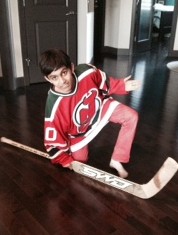

Joshua rocks a Dr. Who bowtie
It’s my pleasure to introduce you to a new Magpie Learner guest blogger, Joshua Singh. I have been Joshua’s academic mentor since January. He enjoys playing hockey and soccer, the 11th Dr. Who and Spiderman. Recently we discovered that we were both heading to New York City this spring. Of course, Joshua saw a very different Big Apple than I did, so here is his perspective. I’m sure he’d appreciate your feedback if you’d like to offer it.
Last fall when things got a bit wild in our house, my mom said “That’s it!! We need to get out of here.” Right away, she started arranging a trip to New York for spring break. Since this was my second time there (the first time was 3 years ago when I was 9), I started to make a list of all the cool places I saw the last time and researched more places to visit .
Spring break finally arrived and I was on my way to the “Big Apple.” During our short but action packed 5 days, we saw many places, shopped- mostly for me- and I ate so many hotdogs that I started to dream about them. Hot dogs- an absolute MUST HAVE when you’re in New York.
I’m not sure how many of you have visited NYC, but here are some highlights of mine which you might want to try. These include Mid Town Comics; FAO Schwarz, a toy store; the Broadway theatre district; Stardust, a restaurant; and the Rock, the New Jersey Devils arena.
Mid-Town Comics
As soon as you walk in, you see comic books all around you, featuring every superhero and villain. It’s comic book heaven!!!!!! There is a huge selection of great quality action figures like Superman, Spiderman, Batman, Hulk, Ironman,and Captain America .Even adults would buy these as collector items. The price range is from $20-$200. You could spend about 1-2 hours looking around. On the second floor the store has super heroes dangling from the roof everywhere you look. Even my dad didn’t want to leave the store!

Joshua-man and Ironman
FAO Schwarz
You should really visit FAO Schwarz. It has a colossal selection of stuffed animals, toys and candy. It also has areas dedicated to such items as action figures and Lego, and others for building and customizing your very own puppet and remote control car. You should take more than $50 with you because the store is a little bit on the pricey side, but the toys are good quality so they’re worth it. The store is mostly meant for kids but it contains a couple of unbelievably detailed and expensive models of people like the Beatles and the characters from Avatar.
Broadway
You’ve got to check out Broadway! There are many theatres. The one we went to is an old fashioned styled theatre that has nice chandeliers but no elevators. Get ready to take a hike up and down the stairs packed with a ton of people. The play we went to see was A Raisin In the Sun starring Denzel Washington. I thought it was a great play: I learned that even if the colour of your skin is different than other people’s, you can still capture your dreams.
Stardust
Stardust is an old style restaurant in Times Square. Part of the waiters’ and waitresses’ jobs is to sing songs while people are eating. The food there is ok but Stardust is really known for the amazing singing. Some of the people who work at Stardust get noticed by agents and move on to musicals on Broadway. The restaurant also has an upstairs that is meant for eating but only a couple of people were sitting up there. Sometimes while the servers are singing they will sit beside you and let you sing. This happened to me but I only danced because I didn’t know the song that the waiter was singing.
 The Rock- the New Jersey Devils’ arena
One of the reasons the Rock is so nice is because it is a new arena that has very few walls and is wide open. Inside the Rock there was a place called the Devils’ Den that sold a lot of really fancy Devils’ team merchandise. During the warm-up, fans went up to the glass to catch the pucks that the New Jersey Devils would sometimes throw to the fans. My cousin Christopher and I went down to the glass but we didn’t catch any pucks.
Since the Devils were on a five game losing streak, the building wasn’t packed with people, so that meant that there was a better chance to get on the Jumbotron. I was able to get on it, but since I was wearing my Edmonton Oilers jersey, I got booed off. You got to eat free food till the end of the second period (with certain tickets). In Edmonton you have to pay for all the food you eat. After the game the staff handed out free posters of players. I got one of Martin Brodeur.
I had an awesome trip to New York and New Jersey. If you ever visit, I encourage you to go check out the places I went to. You won’t be sorry.
 Wise Woman Travel