One of the websites I accessed before our trip to Japan said that, unlike other major world capitals, Tokyo is less about must-see sights than it is about experiencing its 14 individual neighborhoods.
In four days, we were never going to get around to all 14. So we chose a few to explore and kept the others for another trip.
Ginza and Area
When I began looking online for a hotel in Tokyo, I was overwhelmed by the sheer number of pinpoints on the map, and all the booking sites competing for my tourist dollar. So I asked Kazue, my Japanese friend, for recommendations. She said a business hotel anywhere around Tokyo Station, the massive rail and subway hub, would offer the most central location.
I settled on The Square Hotel in Ginza, an old money shopping and business area, with wide boulevards, upscale shops ( think Harry Winston, Jimmy Choo, Louis Vuitton) and tiny local businesses catering to the needs of business people and tourists alike. This was not a neon sign and crowds on the sidewalks kinda district, but more of a black suited business people and ladies who lunch neighborhood.
Sunshine blooms outside the Square Hotel
The Imperial Palace and East Gardens
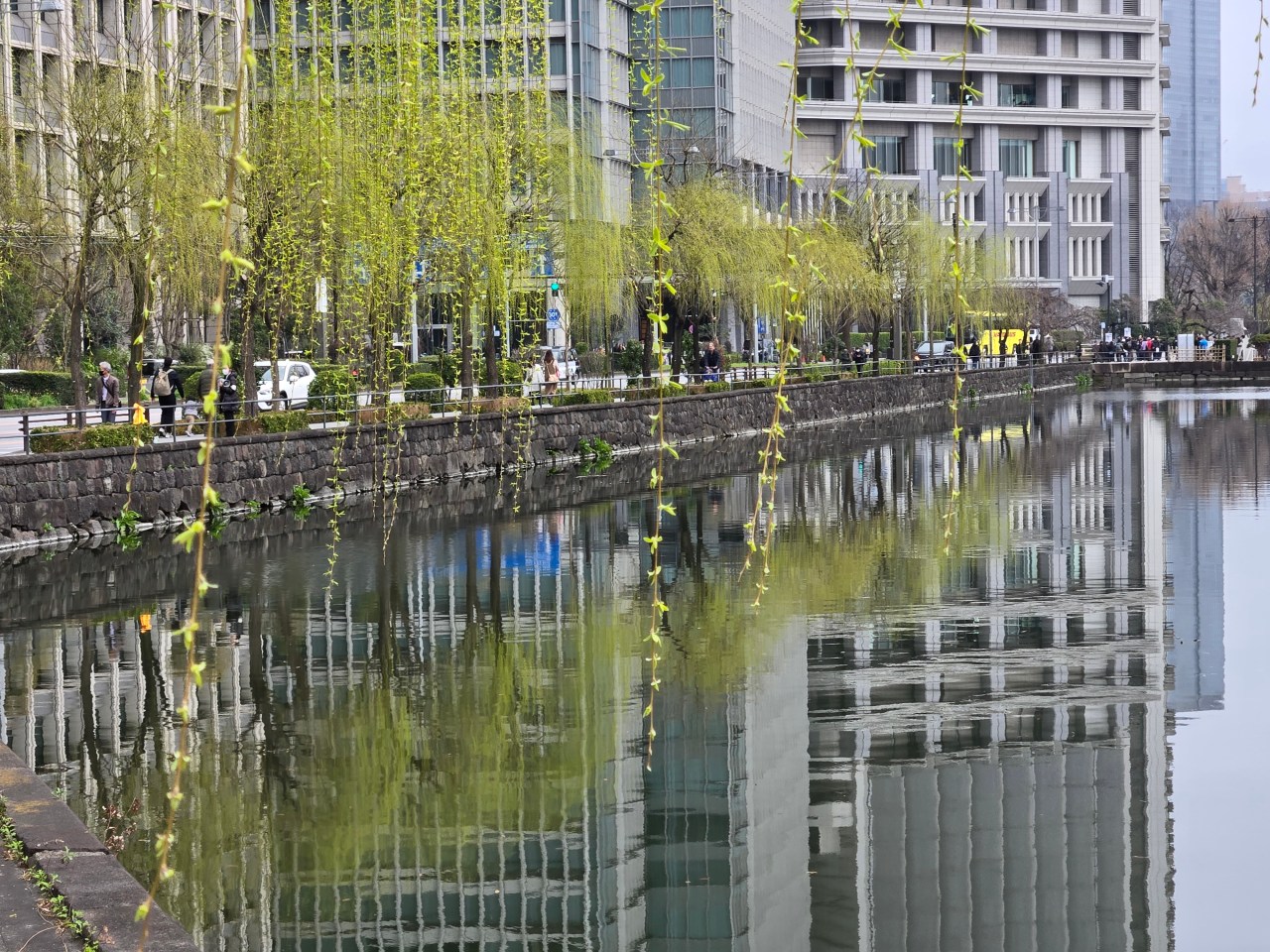
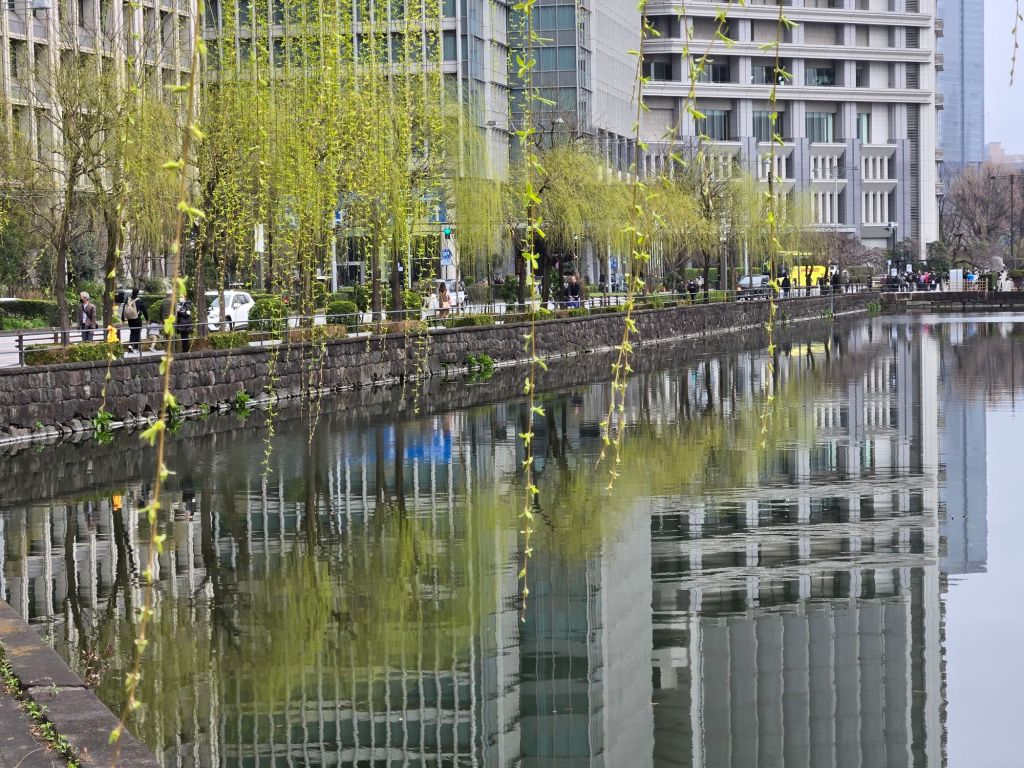
High rise elegance and the moat around the Imperial Palace
We stumbled onto the Imperial Palace right after breakfast as we were walking around on our first morning in Ginza. Yes, the Japanese royal family still lives there but their residence isn’t visible or accessible, although their guards are.
None shall pass
The park itself is a 3.3 square kilometer refuge from bustling Tokyo, and the former site of Edo Castle, where the Royal Family moved in 1869 after living for centuries in Kyoto. Most of the buildings are reconstructions and the massive wall stones are gradually being replaced, but it’s easy to imagine 19th century Tokyo when you’re there.
The East Gardens are a pleasant strolling area although not much was in bloom the day we visited (we didn’t know they were closed Friday and Monday so we came back and joined the Sunday tourists instead.) Not much was in bloom yet unfortunately including the cherry trees – the weather was chilly in Tokyo the week the blooms were supposed to emerge – so it was funny to see tourists (including me!) clustered around the trees taking closeups of the few brave blossoms that had dared to peek out.
East Gardens foliage One cherry blossom bravely blooming
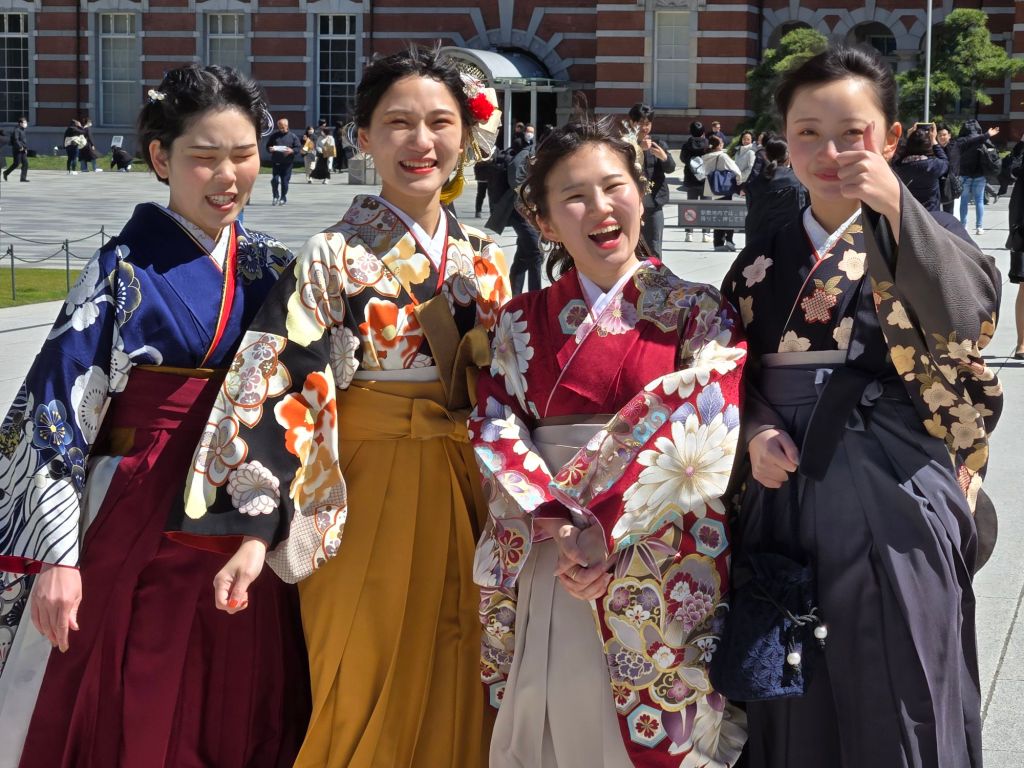
As we were walking around, we began to notice many young women dressed in kimonos and young men in sharp black suits and ties. Most of them were carrying bouquets of bright spring flowers, parading around excitedly as their parents trailed them with cameras. Turns out March is university convocation season in Japan and kimonos are traditional grad regalia.
We’re chatting to a couple from Arizona at the grill side bar of an izakaya, Japan’s unique version of a place to have a drink and a few snacks. They tell us it seems all they’ve done since they arrived in Tokyo is eat. We agree, and I say I read that Tokyo has the most Michelin stars of any city worldwide. ” Oh, but those restaurants are always so lined up and you can never get a reservation,” they say.
“And we’d have to take out a third mortgage on our house to afford to go to one,” Lorne quips. They say nothing in response, indicating that wouldn’t be their problem. The conversation comes to a quick end.
If, like us, eating at a Michelin-starred restaurant in Tokyo is beyond your budget, you’ve still got plenty of delicious eating experiences ahead of you. In the four days we were there, we had lots of fun finding restaurants, online and just by walking around and reading menus, then taking a food adventure plunge. We acquainted ourselves with many interesting dishes, and in a few cases, some even more fascinating fellow diners and cooks
Ramen and a snazzy poet
Feeling a little jetlagged by lunch on our first day, we noticed a whiteboard menu outside a ramen place near our hotel, pushed past the heavy plastic straps covering the entrance and stepped inside a tiny room that seated about 15 people. The only table for two was in a corner next to an elderly Japanese woman wearing an unusual hat and lacy blouse. She smiled her welcome and moved her table over a few inches so I could fit in beside her. In between ordering, slurping our noodles and shoveling gyoza into our mouths, I found out she’s headed off to give a poetry reading nearby and that her hat and lacy blouse were made by a friend who designs stage costumes. She was delighted to find out Lorne plays jazz trombone because “it’s the best music to read poetry to.”
Cool Tokyo poet
Chicken hot pot, a one-man izakaya kitchen, and an impromptu translator
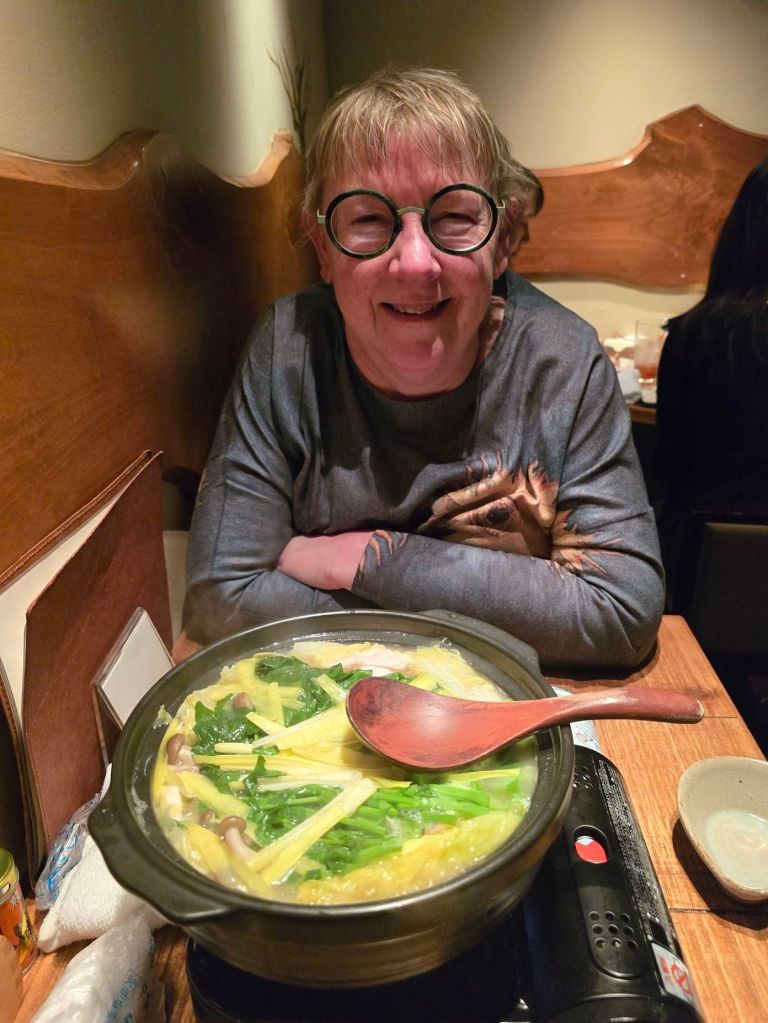
On a puddly, cool Saturday evening, Lorne navigated us down a quiet alley off a main drag near our hotel to an izakaya called Morikawa (no website but the link will give you its address in case you want to try it out). We’re not even sure we’d found it, but a young Japanese woman standing outside waiting for it to open assured us we’d arrived. Again, the place had room for 14 people, and there was no English menu, so the young woman helped us to read it and made several recommendations. The specialties were hakata fried chicken pieces and mizutaki, which is chicken hot pot, so we had one as a starter and one as a main. The cook/owner/ server brought a heater to our table, then returned to his own barside kitchen to concoct a hot pot chock full of chicken pieces, tofu, greens and mushrooms in broth. He whisked it over to us, removing the clay pot lid with flair. Our kind female translator said we could ask for rice or noodles to cook in the leftover broth, but we’re too stuffed to eat another bite- and besides, we’d already slurped up all the soup.
Me and mizutaki
Bits and bites and the friendliest cook team in Tokyo
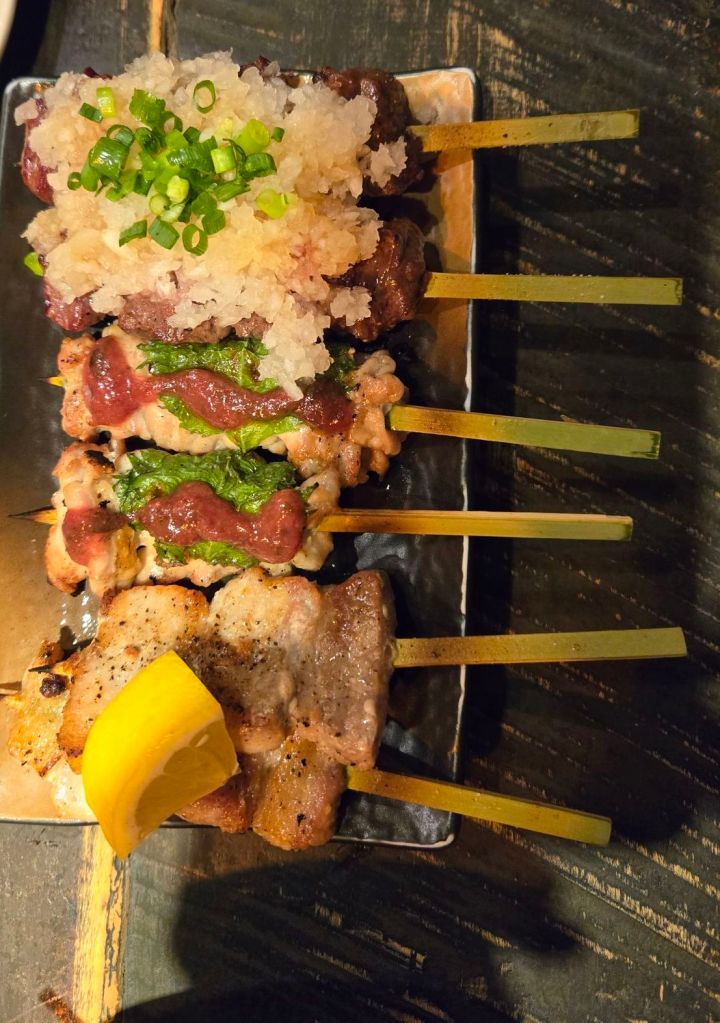
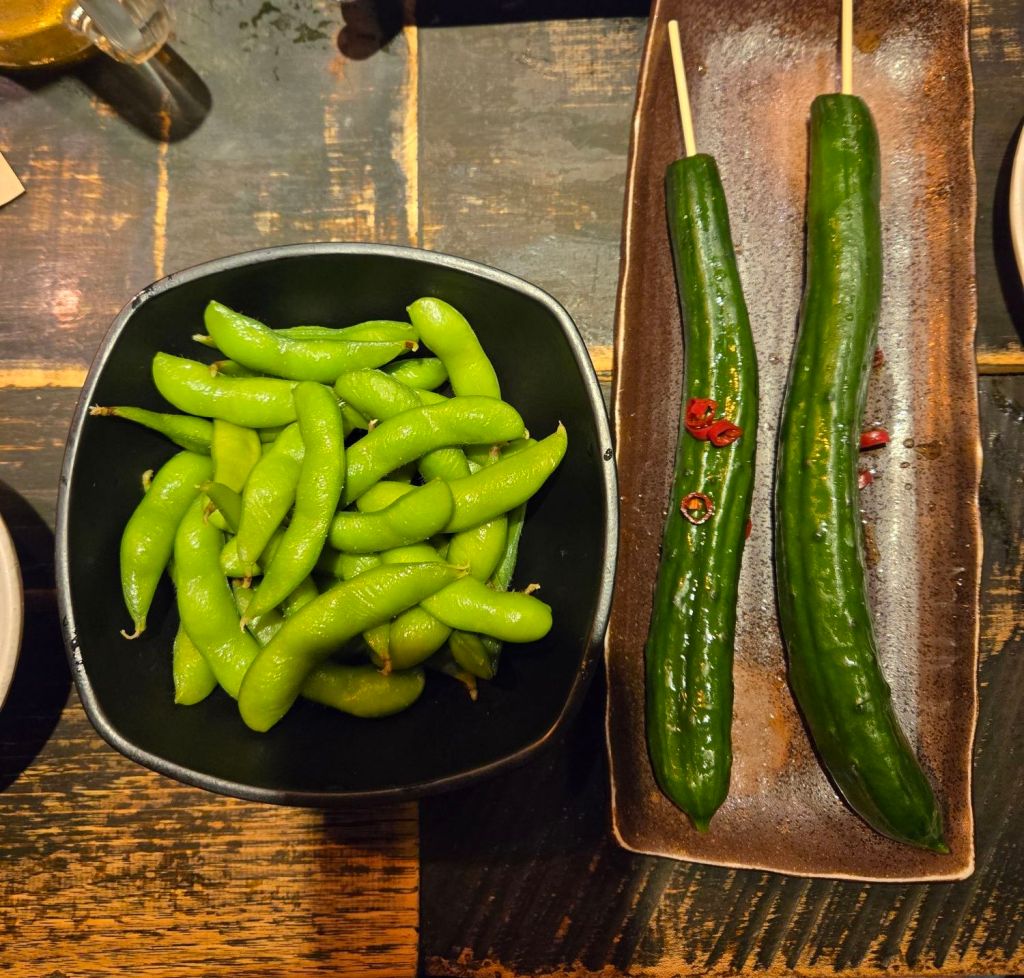
Our meal at the Kushiyaki Bistro Fukumimi , that izakaya I mentioned earlier, turned out far better than our conversation about the Michelin restaurants. The youthful six-person prepping and cooking crew seemed to be having a great time together, and yelled greetings and farewells in unison each time a customer arrived or left the restaurant. We enjoyed watching each dish we ordered sizzling and smoking in front of us, and gobbling them down hot off the griddle.
I must have flowers, always and always ( Claude Monet).
One of my summer fantasies involves being the owner of an enormous cutting garden. I picture myself in a big sunhat and a flower splashed sundress, cutting stems and laying them in a wicker basket, arranging them later in a ceramic milk jug for display on my kitchen window sill.
Unfortunately, my yard has very little room to grow flowers and what I do have doesn’t get much sun. Every year, I plant a few pots of cosmos, bachelor buttons and zinnia on my south facing deck, but none of the containers seems to give me enough blooms at the same time to make a bouquet. My kitchen is too little for a windowsill. The only details of this dream I’ve accomplished so far are the big sunhat and the flower splashed sundress.
Fern’s Flower Garden
So, when a drone-shot ad for Fern’s Flower Garden popped up in my Facebook feed, swooping across fields of bright flowers, I was entranced. Only in its second year of operation in the far northeast corner of Edmonton, Alberta, it’s a 45 minute drive from where I live, including a short detour to pick up my buddy Marilyn on the way.
The lovely Fernanda, who manages the property with her husband Kevin, gave us a quick tour when we arrived. They share the space with Lady Flower Gardens, a nonprofit that partners with other social agencies to provide disadvantaged Edmontonians with mental health and wellness through wilderness and agricultural experiences. The day we were there, we saw several people working in a huge community garden, its produce headed for the Edmonton Food Bank.
Fernanda at work in her garden
The U- pick flower side of the operation is home to dozens of flower varieties. For $35 – $30 if you bring along a partner – you can make yourself a 25 stem bouquet. Fern’s provides shears, a bucket with water to keep the blooms fresh while you’re picking them , and a mason jar vase to take your bouquet home.
Marilyn and I browsed through the fields before we began picking, each of us mulling over the potential components of our bouquets, overwhelmed by possibilities.From time to time after we got started, we lost sight of each in the garden. When we saw each other again, one of us would call out, ” “How many have you got so far?” The answer: ” Don’t know. I’ve lost count.” It took far longer to select 25 stems than we thought it would – so many choices!
Is that 25 yet?
The people watching was just as interesting as gathering the flowers. Grandparents with their elementary school-aged granddaughter, who had much less patience for finding the perfect stems than her grandmother did. One woman who’d birthday gifted another with a Fern’s online gift certificate. A mom with two toddler boys, one of whom was picking flower heads, sans stems, the other plopped on the ground, eating dirt.
What shall I do with this one?
When we finally reached our stem quota, we dropped by the arranging tent, doing our best to artistically stuff all 25 stalks into our Mason jars ( memo to self: bring a large vase from home next time). Since I was driving, I tried a hack I’d read online to get my jar of flowers home without tipping: buckled it into the back seat as though it were a passenger. Worked like a charm!
With a couple of water changes and a little packaged plant food, my bouquet stayed fresh for more than a week. I’d like to go back before Fern’s closes in September to pick an autumn toned bouquet and to attend the Lady Flower Fall Festival on September 9. I may never have a picking garden of my own, but thanks to Fern’s Flowers, I’ve found the next best thing.
In August 2020, Margaret Nazon, a Northwest Territories beader for whom I was acting as business manager, forwarded me an email, saying, “I’m very interested in this opportunity.”
When I read the email, I almost dropped my phone.
Stephen Loring, an Arctic anthropologist with the Smithsonian’s National Museum of Natural History, was requesting a commission from Margaret for a planned exhibit called “Lights Out: Recovering Our Night Sky.” He’d seen Margaret’s beaded interpretations of cosmic phenomena, become a big fan, and wanted a picture of the Milky Way, to show visitors how the sky looks at night where Margaret lives, in the village of Tsiigehtchic, NWT.
Over the next two and a half years, through numerous e-mails, personal and professional challenges, and exhibit delays, the show finally opened in March 2023.
Margaret is not a big city person, and opted not to visit the exhibit in person. So I said I would go as eyes and ears for both of us, and share with her as many of my impressions as I could.
Stephen Loring became my gracious host for my time in Washington. The morning I visited the exhibit, he got me into the exhibit before the museum opened, so that I could have some quiet alone time to appreciate the displays, and especially Margaret’s piece.
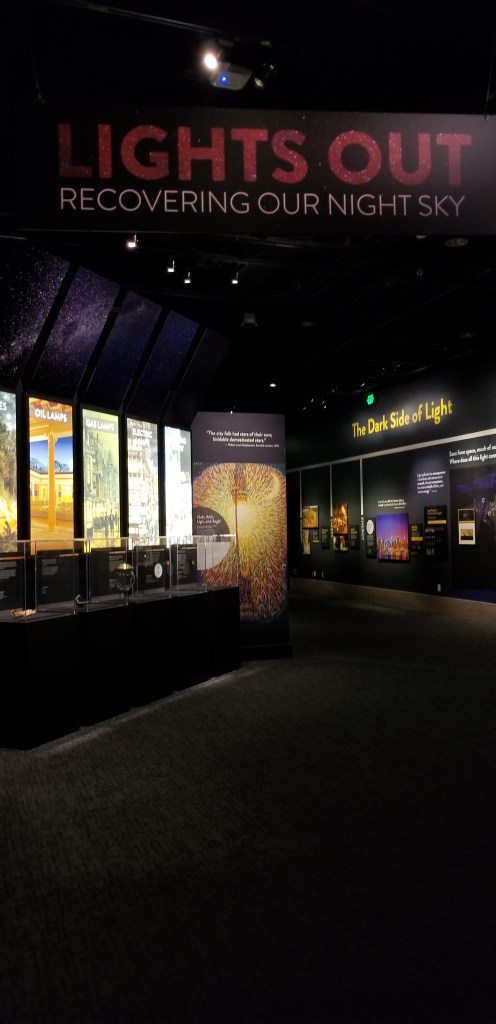
As you might expect from the exhibit’s theme, the space was dimly lit, beckoning visitors to experience the wonders that are only possible in low light situations.
Welcome to the Lights Out Exhibit, NMNH
My immediate urge on entering the space was to race through all the information and images that had been placed before Margaret’s piece, and get to the piece de resistance right away. But I held myself back, realizing that the introductory materials would likely enhance my appreciation of her artwork by giving it context. So, I tried my best to concentrate on the images and read the information about how night skies are disappearing, and the impact of that on humans and animals. Amazing to find out that almost 80% of the world has never seen the Milky Way, and that light pollution is negatively affecting insect populations, bird migration, turtle reproduction, and the life cycle of countless other species.
At the start of the exhibit section on how various cultures have viewed the night sky, I watched a great little animated film on the Greek, Maori, and Ainu stories of the Pleiades. Partway through, I glanced over to my left, and glimpsed Margaret’s piece. Keeping my mind of the documentary became a little challenging after that.
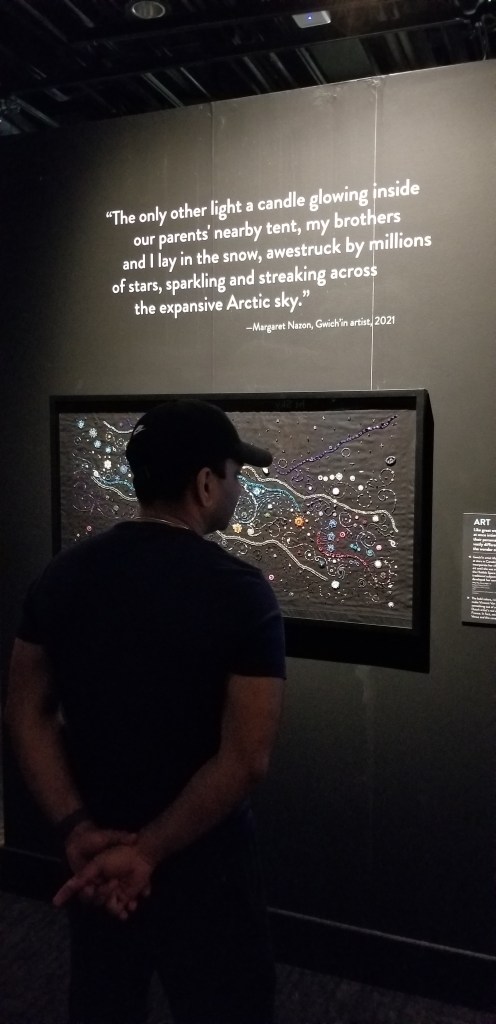
By this time, the exhibit had opened to the general public, so I knew my window of opportunity to spend some contemplation time with Milky Way Starry Night 2 was narrowing. I walked as calmly as I could to its display wall and felt a rush of pride and joy fill my eyes and my throat.
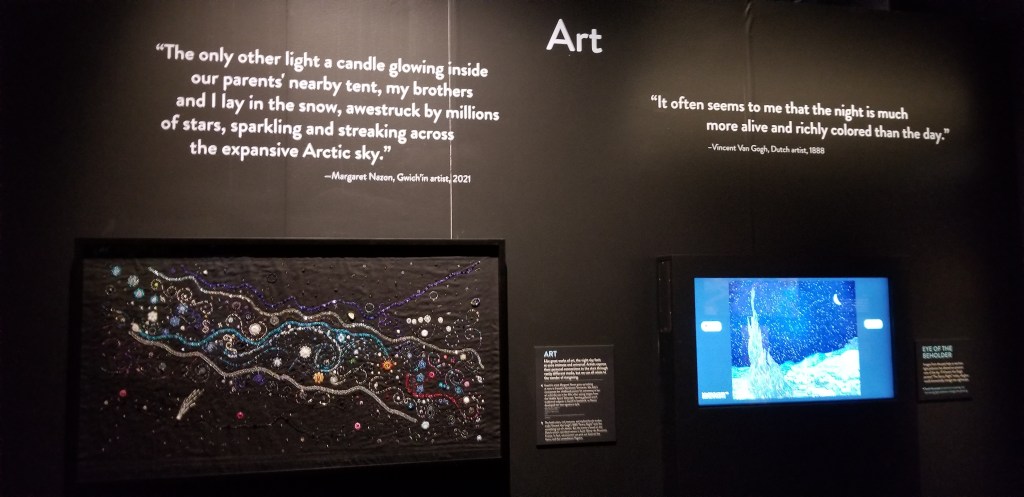
As we’d been told, it was displayed with the words Margaret and I had crafted together back in 2021. The exhibit display manager, Jill Johnson, wanted a description that would encapsulate Margaret’s feelings about gazing at the night sky. She recalled a winter memory from her childhood on the land, lying with her brothers on her back in the snow, looking up at the stars. Only later did Jill tell me we were limited to 32 words, which resulted in multiple phone calls and e-mails between Margaret and me, as I tried to pare down her words but preserve the images she’d shared. I quietly congratulated us both as I reread those words.
To the right of Margaret’s image was a virtual depiction of Van Gogh’s Starry Night, with a touch screen that allowed visitors to see how the sky he’d painted would look now as a result of light pollution.
Starry Night a la Margaret Nazon and Vincent Van Gogh
But for me, Margaret’s beadwork was the real star of the show. I viewed it from a variety of angles, up close, far away, from right and left, wobbling my head to make the beads sparkle. I noticed all the bits and pieces she’d included – the shooting star, the constellations, the cross section of caribou antler, the silver sweeps of light that seem to border the Milky Way.
Milky Way Starry Night 2 Closeup
I remember the exhibit manager’s shock when she found out that Margaret had completed the piece in only three months. I recall how we had to collaborate to get the piece to DC during the height of COVID – Margaret shipping it to me in a mailing tube; me sending it on via Fedex to the Smithsonian Support Centre, where it languished for far too long because the contract for the one conservator allowed into the building to touch it had not been renewed. It then had to be isolated in a refrigerator for two weeks to ensure it wasn’t bringing in any pesky insects (a laugh because it was shipped from the Arctic in November). Stephen Loring told me that the conservators had worried how to safely remove a small piece of masking tape stuck to the back of the piece. The exhibit people didn’t get to see even a photograph of Margaret’s work until six months after it arrived, and didn’t see it in person until it had been glassed, framed and ready for display.
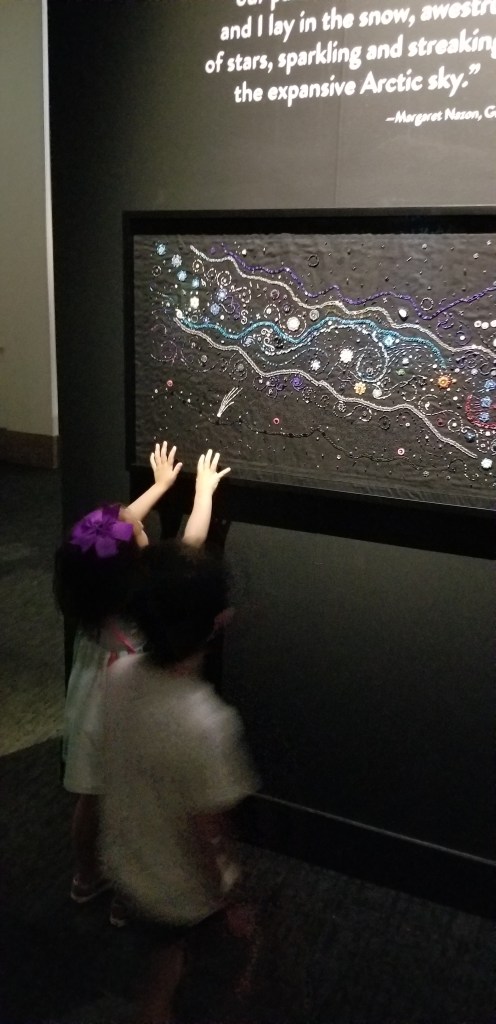
I lingered for a long time, drinking in the piece’s beauty, and the memories it brought back. Somehow, I didn’t want to leave it, so I asked one of the first visitors to arrive if he’d take a picture of me with it. As more people, especially teens and children showed up, their harried parents and teachers trying to keep them under control, I wondered how they’d respond. The teens took photos, and the children reached out to touch it, disappointed that they couldn’t feel the beads.
But I want to touch it!
Only a few people stopped to experience it the way I had, but I got that: it’s spring break in DC, so the crowds seemed to keep people moving. Once this week is over, I expect there will be guided tours that will encourage people to look at Margaret’s piece more thoughtfully, maybe even to explore her art and to seek out their own dark skies to experience.
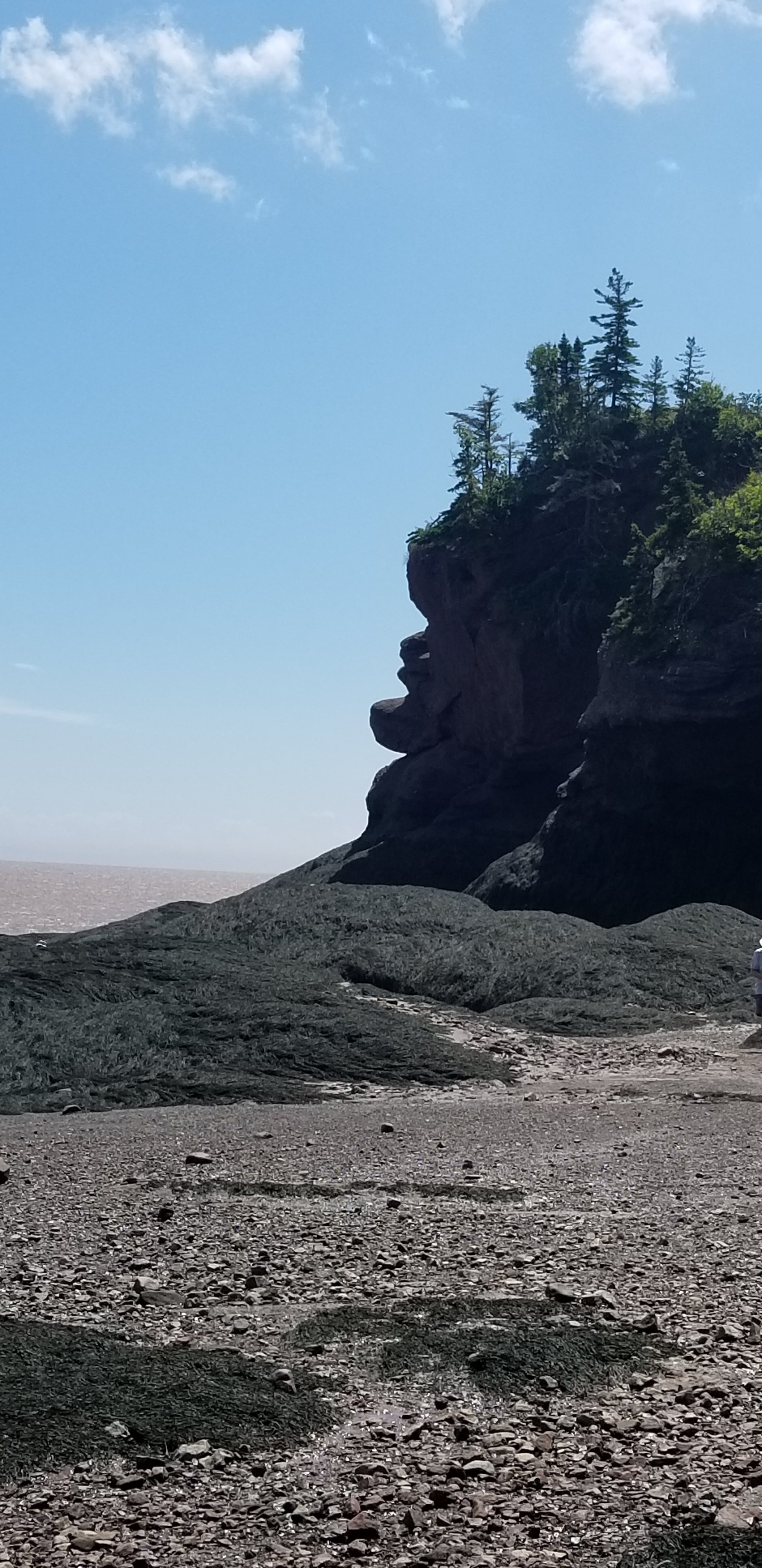
In the time of Glooscap, so the Mi’kmaq people say, a pod of cruel great whales who lived in the Bay of Fundy, enslaved some of their people, forcing them to do their will.
One day, the people saw the chance to escape. They made it all the way to the beach before the whales noticed and angrily transformed them into statues of their former selves.
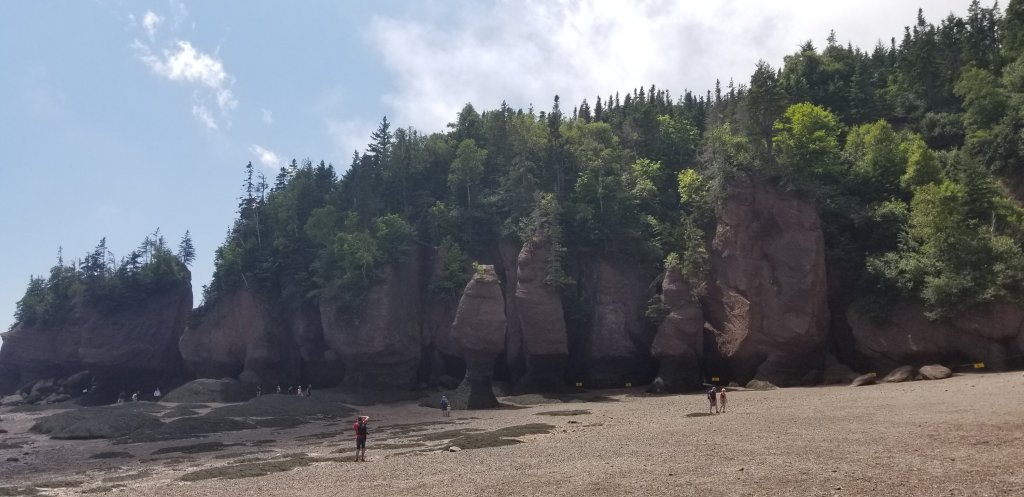
Today, we can visit these frozen in time beings, now called the Hopewell Rocks or the flowerpots, on a quick trip from Moncton, NB , or after a drive along the Fundy Trail Parkway.
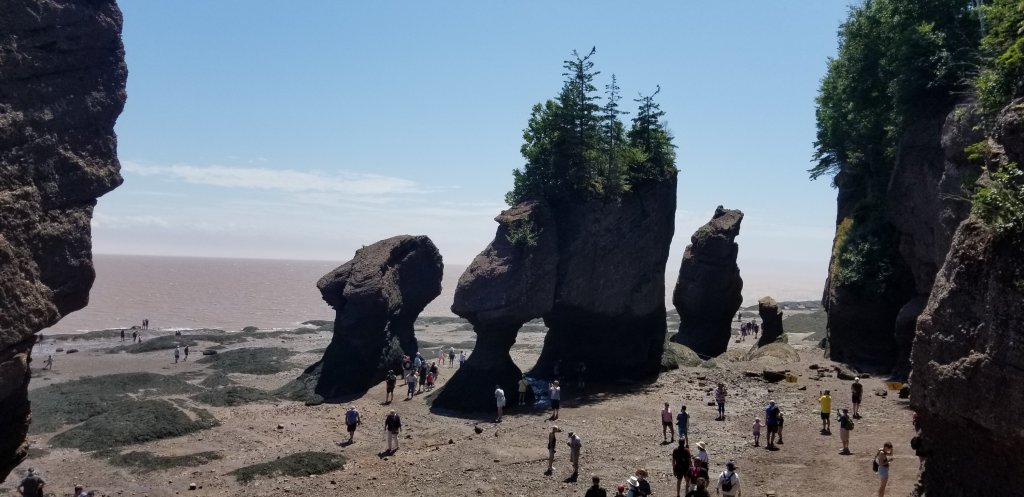
The Hopewell Rocks get over 200000 visitors every year
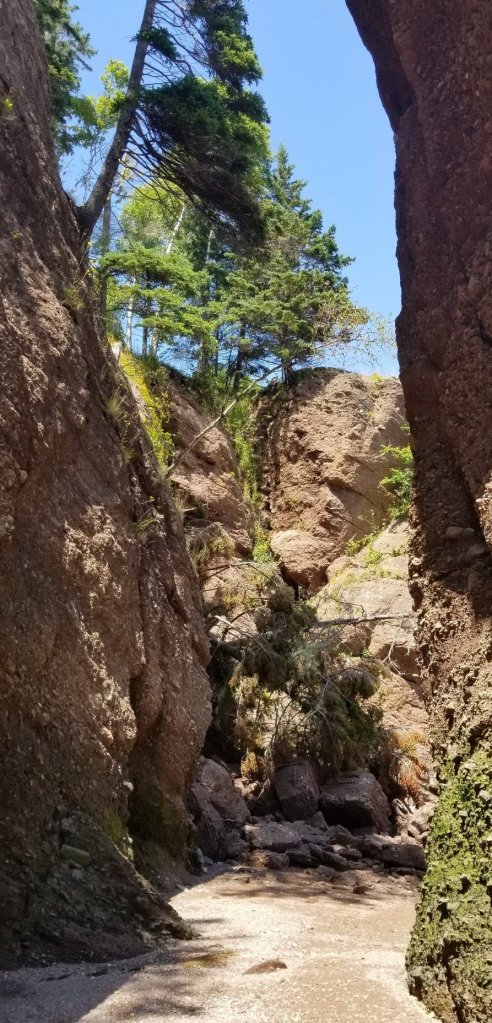
A park pass is good for two days so that you can see the rocks at low tide and high tide. A low tide ramble means you’re walking right on the ocean floor.
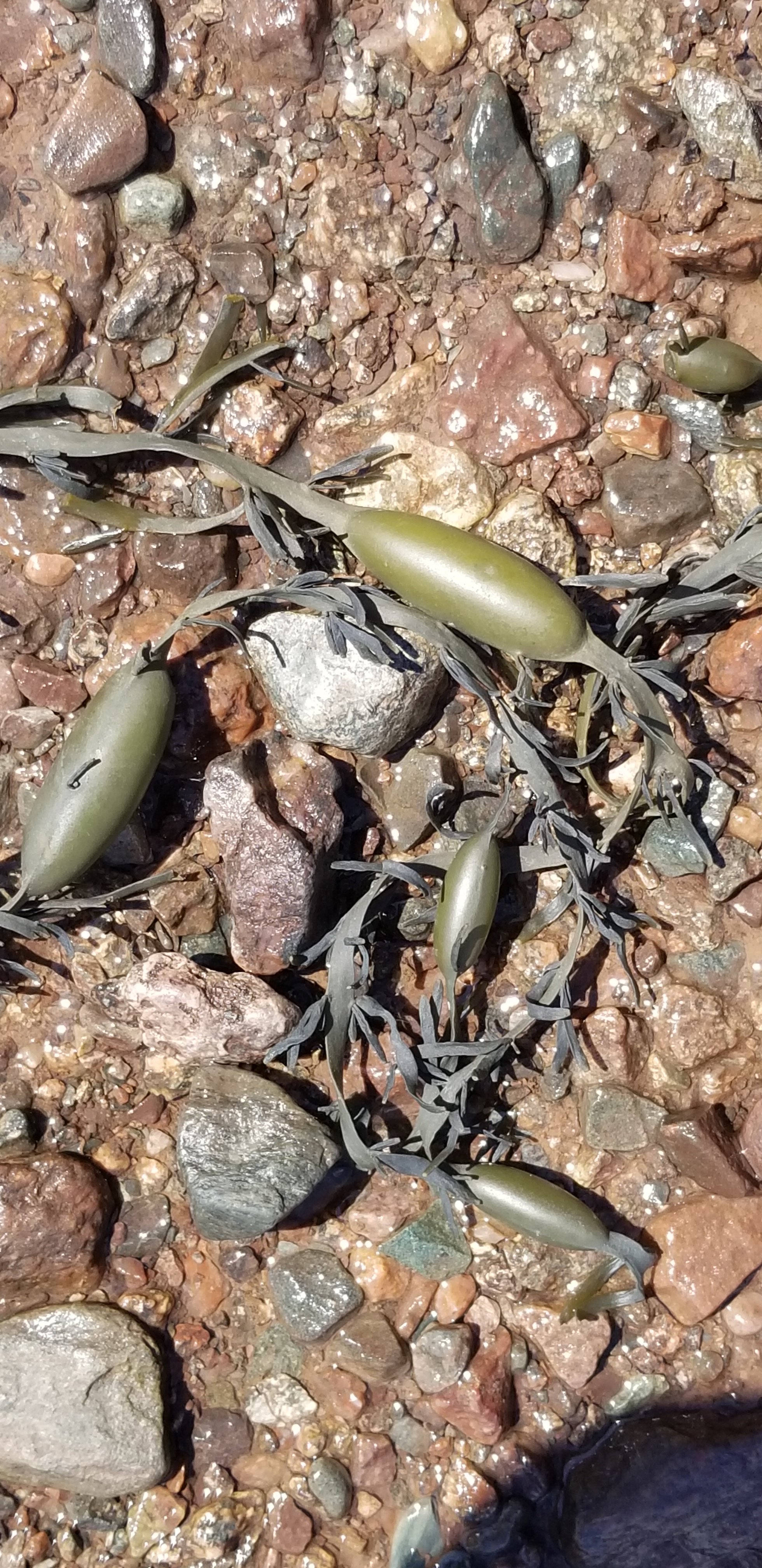
Curiously, it’s not an area to beachcomb for shells. A guide told me this is because bivalves can’t filter the sandy water. But if rocks are your thing, you’ll find lots of those!
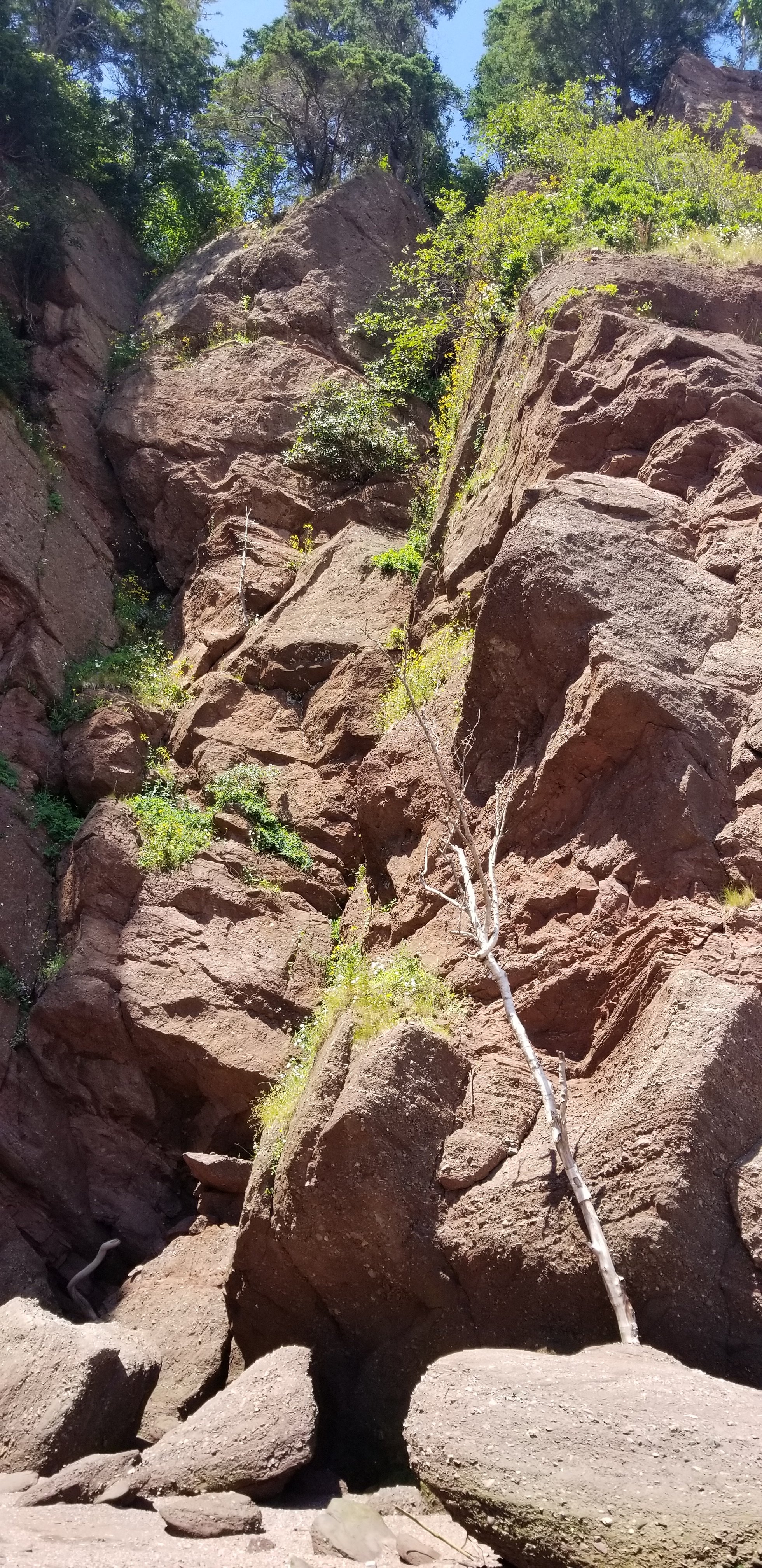
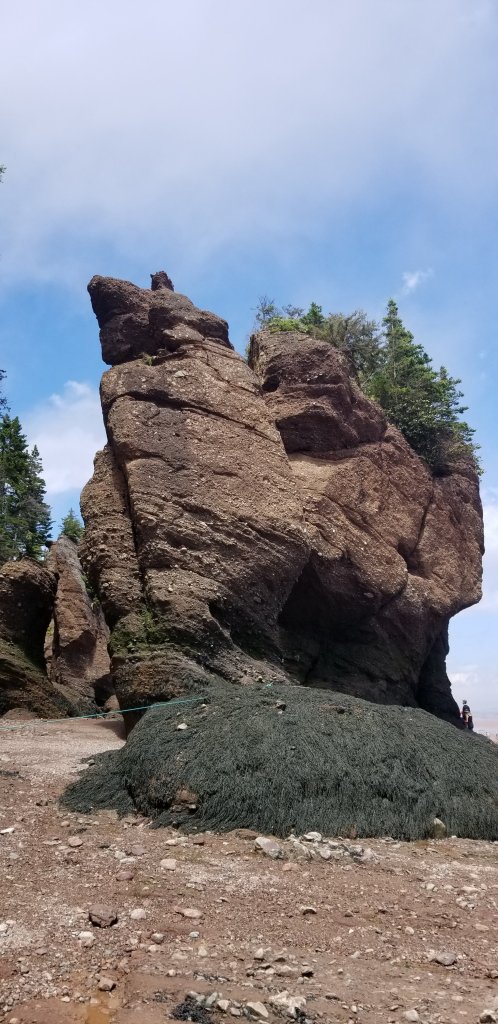
Look up and you’ll see why the rocks are called flowerpots. They support all kinds of plant life.
Scientists tell us that the constant motion of the Bay of Fundy tides has carved the rocks into the fantastical shapes we can experience today. But it doesn’t take much imagination to see those ancient Mi’kmaq people, so close to and yet so far from achieving their freedom.
Hopewell Rocks?Can you see the bear?A Mi’kmaq slave looks out to sea?
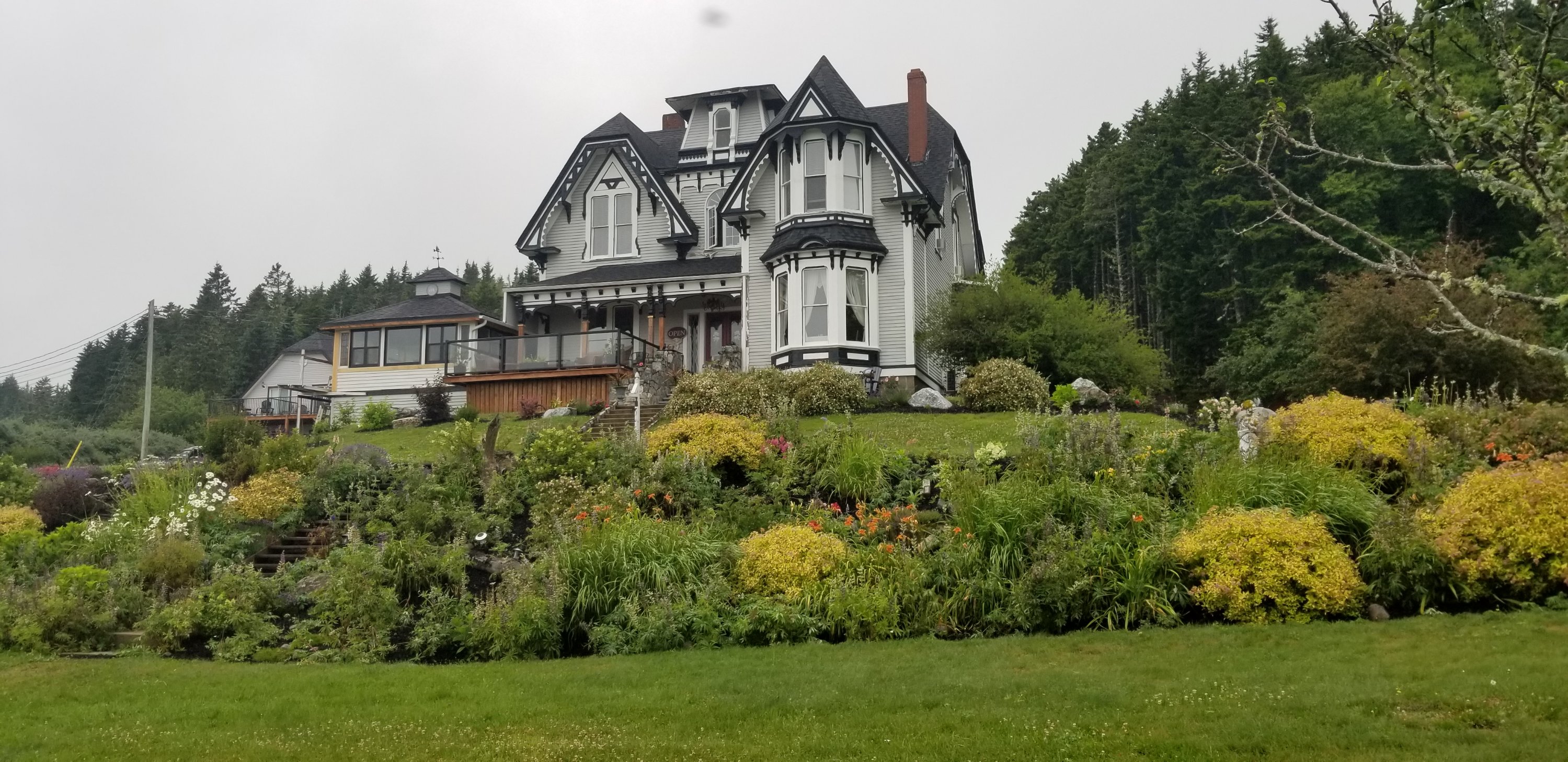
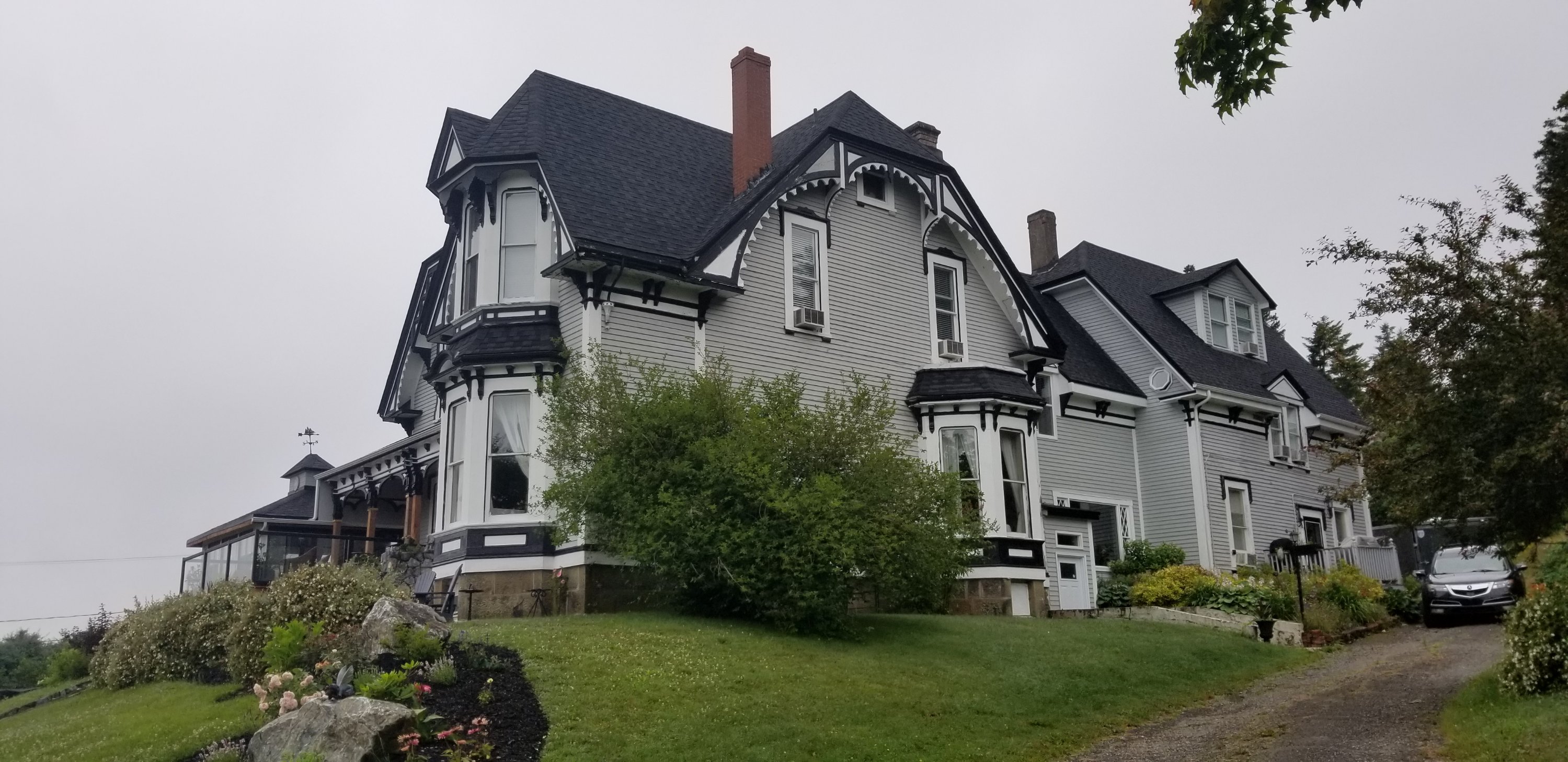
You are young, wealthy, and on your honeymoon during la belle epoque era in the south of France. You and your new spouse find yourself drooling over the spectacular villas of the rich and famous, surrounded by gardens and pools and tennis courts, with stunning ocean views. The two of you begin to hatch a plan to build a similar mansion back home in St. Martin’s, New Brunswick. What better way to show off the success you’ve enjoyed in wooden shipbuilding?
Such a home deserves a see and be seen location, so you choose a property high on a hill with an ocean view, get rid of a house by the roadway that would block that view, hire builders, and watch your 10000 square feet dream home take shape.
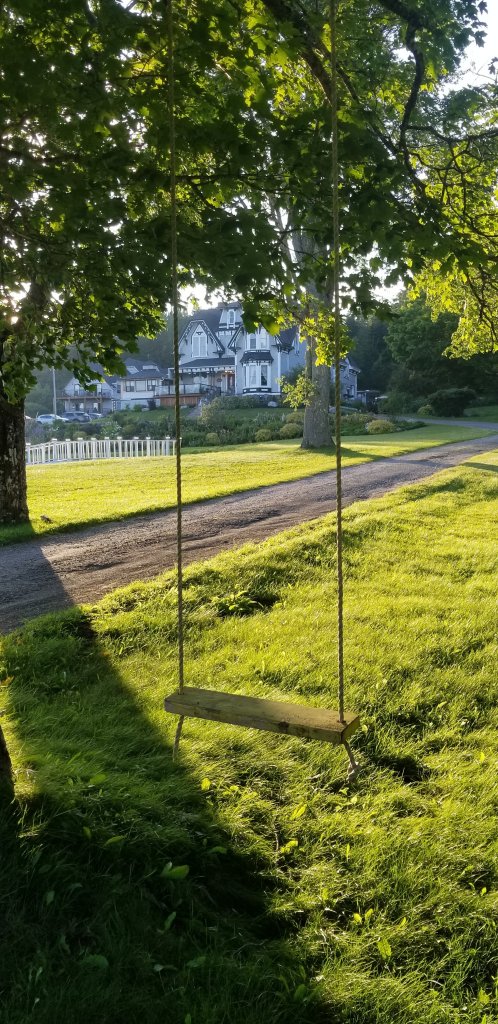
Ocean view from St. Martin’s Country InnSt. Martin’s Country InnSt. Martin’s Country InnSt. Martin’s Country Inn
Oh, the parties you’ll have! The people you’ll invite! The reputation you’ll establish among other wealthy shipbuilders and their equally well-to-do friends from all over the world!
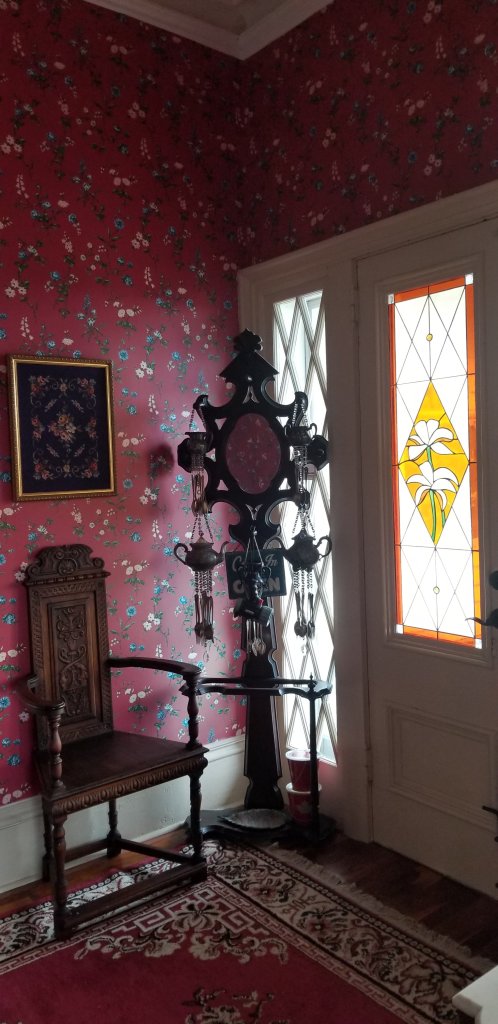
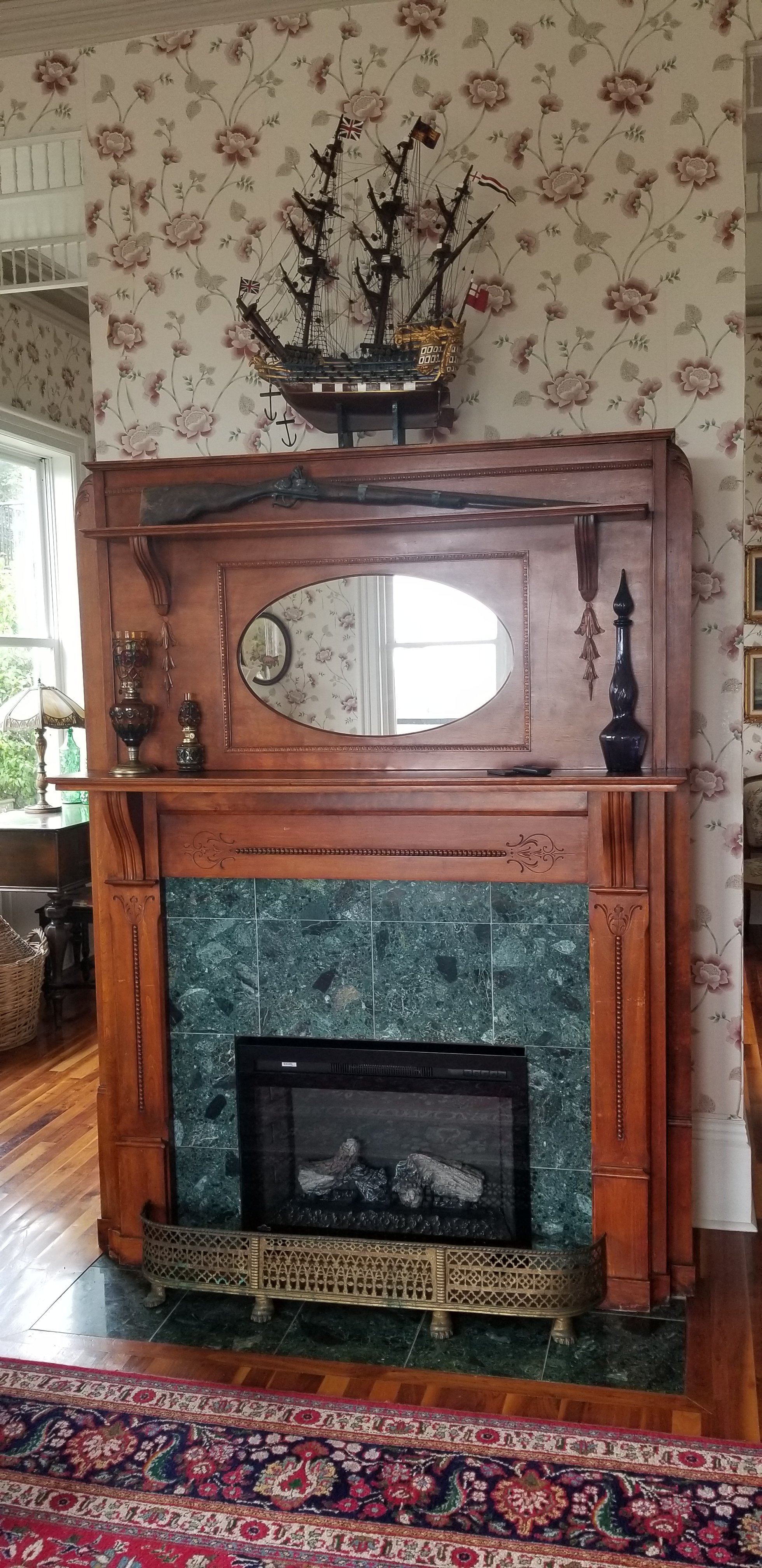
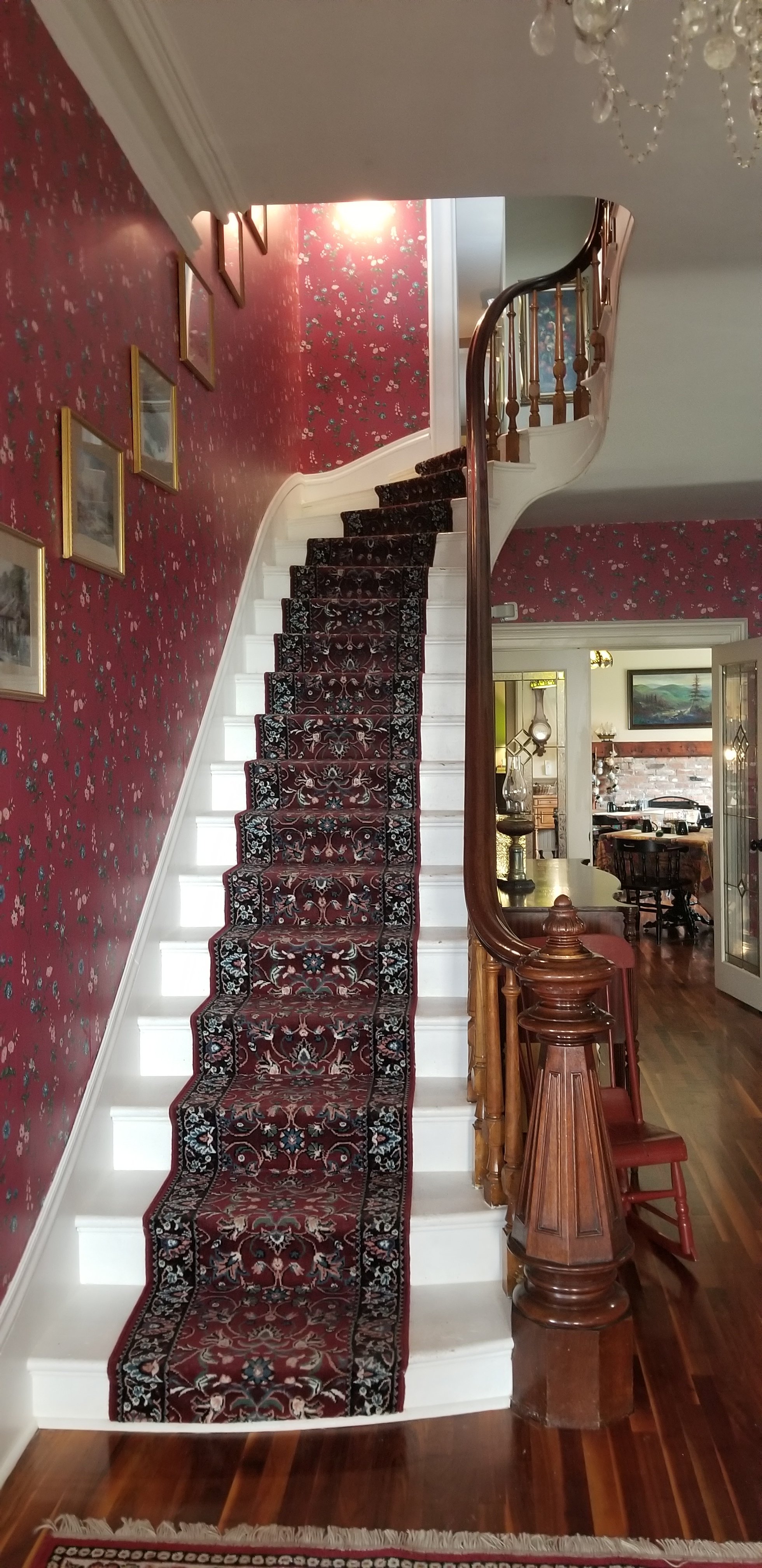
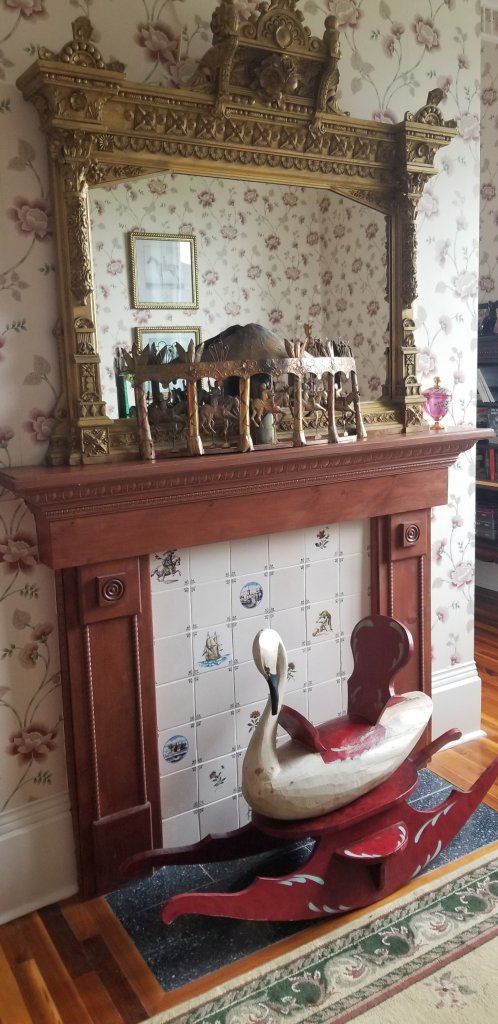
Front door detail, St. Martin’s Country Inn Front entry, St. Martin’s Country InnSitting room, St. Martin’s Country Inn Cozy fireplace, St. Martin’s Country Inn Grand staircase, St. Martin’s Country Inn Rocking swan, St. Martin’s Country Inn
What you don’t know yet is that two years after your castle’s completion in 1877, your shipbuilding company will go bankrupt in an economic depression. Your villa will be converted into apartments, and eventually into a country inn, where travellers like me can stay and experience a little of your dream, even though none of us are rich or famous or particularly well- connected.
A backwards glance at St. Martin’s Country Inn
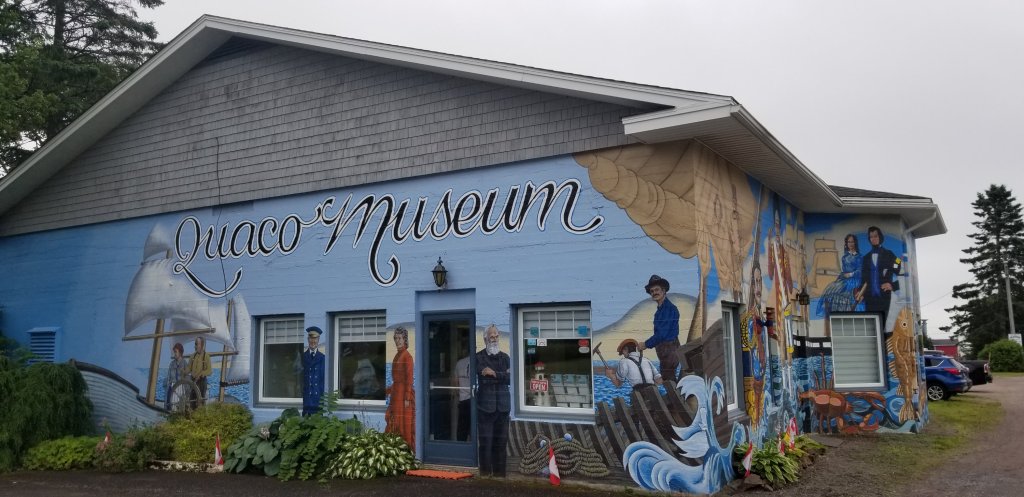
The story of the Vaughan Villa is just one of many I heard in our stay at St. Martin’s, a tiny village on New Brunswick’s Fundy Coast, with big pride in its heritage as a ship building community. We had one of the best guided tours ever at their little museum, led by a volunteer with a passion for history and storytelling.
Quaco Museum, St. Martin’s, New Brunswick
In its heyday in the mid-nineteenth century, St. Martin’s shipyards pumped out 500 wooden sailing ships, making it one of the wealthiest communities in the Maritimes. One of the details I enjoyed most was our tour guide’s inclusion of the women’s too-often-ignored historical roles. Another member of the Vaughan family, a woman named Rachel, organized the building of a new ship when her husband was forced by weather to overwinter in Newfoundland. Some women accompanied their sea captain husbands on overseas voyages, entertaining onboard with their best linen and china when they reached port. Some had babies at sea, with their husbands in attendance as midwives. The tour kindled a new interest in me about the role of women in the age of sail.
Today, St. Martin’s shipbuilding days have passed into history. Its population has shrunk from 3400 to 250 people, with a small fishing fleet, a few restaurants and gift shops, a general store, and other amenities for tourists and locals. But it’s got a cool set of sea caves, which appear at low tide, and fill up at high tide. And one night, as the fog rolled in, we heard the urgent cry of a fog horn echoing around the bay, reminding us that the sea still impacts lives and livelihoods.
St. Martin’s sea caves
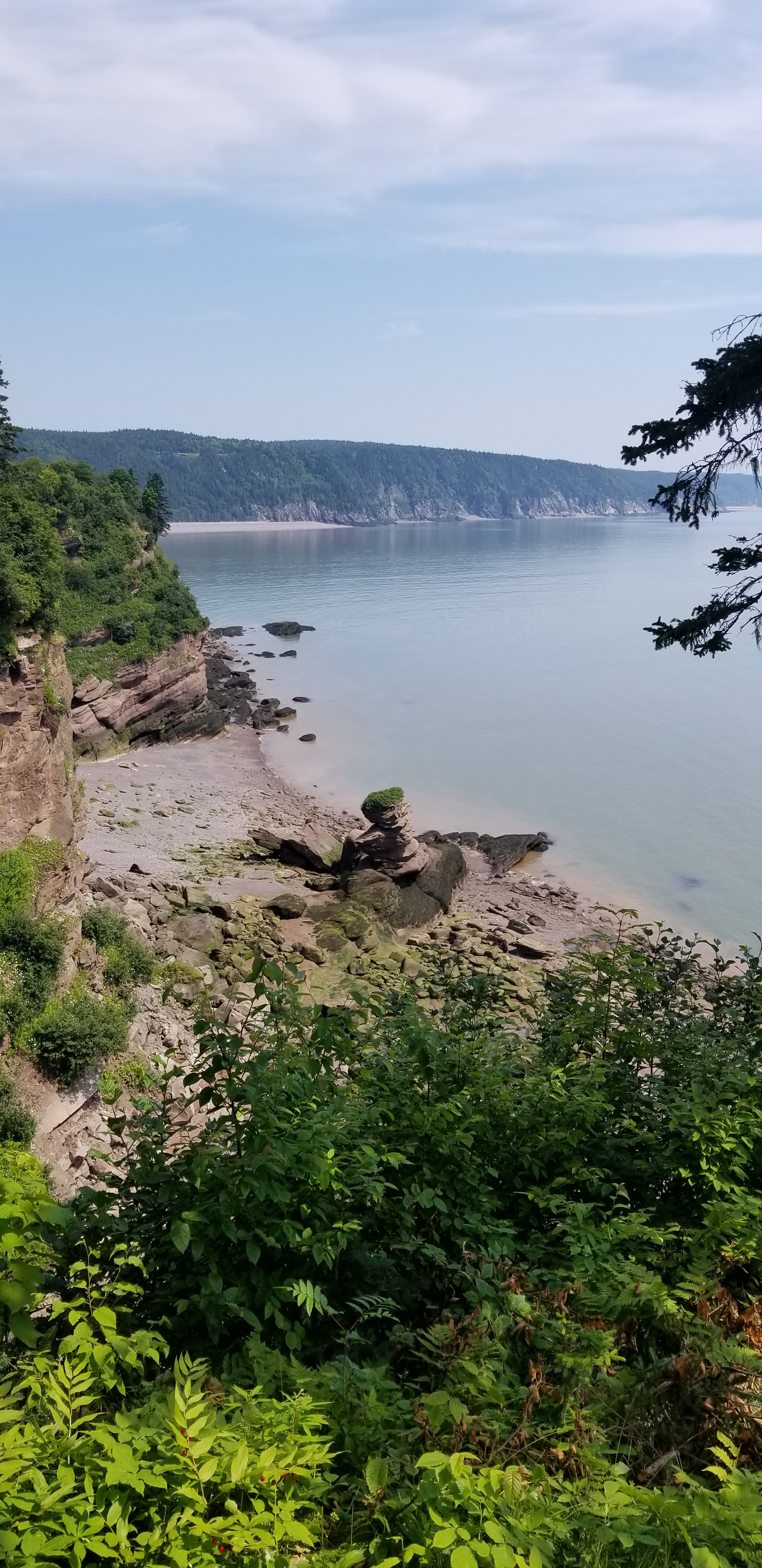
St. Martin’s is also a great jumping off point for exploring the Fundy Trail Parkway, which has a 30 km road and 10 km of hiking and biking trails from which you can enjoy Fundy Bay viewpoints, beaches, and historical locations. There is no overnight camping or other accommodations and it’s a gated park, so make sure you’re on your way back to St. Martin’s well before the park’s 8 pm closure.
When I was a kid, my grandmother used to loan my mom copies of a glossy magazine called Ideals. I loved its sentimental poetry and folksy photos of things I’d never seen growing up in Edmonton – white country churches, forest pathways of fiery red maple leaves, and covered bridges.
I didn’t realize then that it would be decades before I actually saw my first real covered bridge. In Canada, there are only 140 of them left, mostly in Quebec and New Brunswick. If you wanted to, you could make visiting New Brunswick’s 58 covered bridges a focal point of your trip there, with the help of a map produced by that province’s department of transportation and infrastructure.
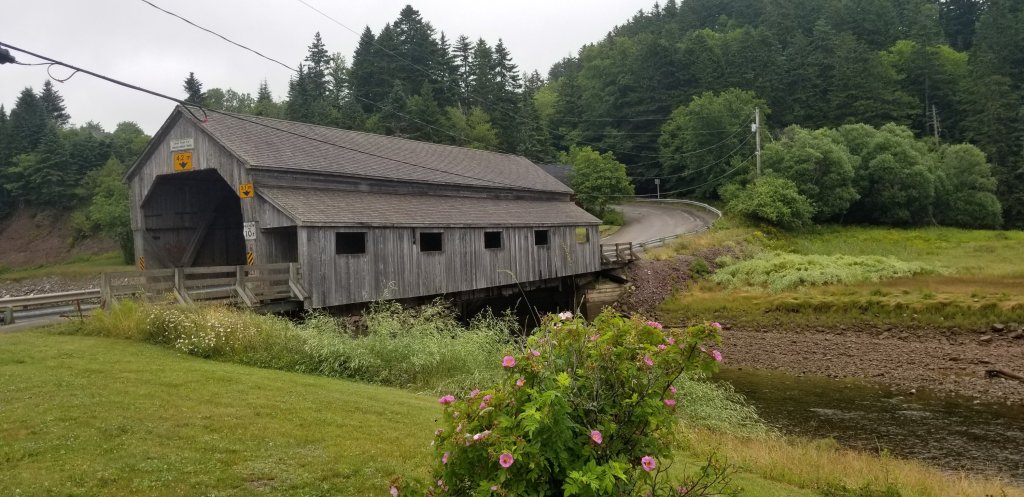
We didn’t go quite that far. We saw a few bridges incidentally as we drove around southern New Brunswick, mostly short ones across narrow stretches of water, like this one in St. Martin’s on the Fundy Coast.
St. Martin’s covered bridge
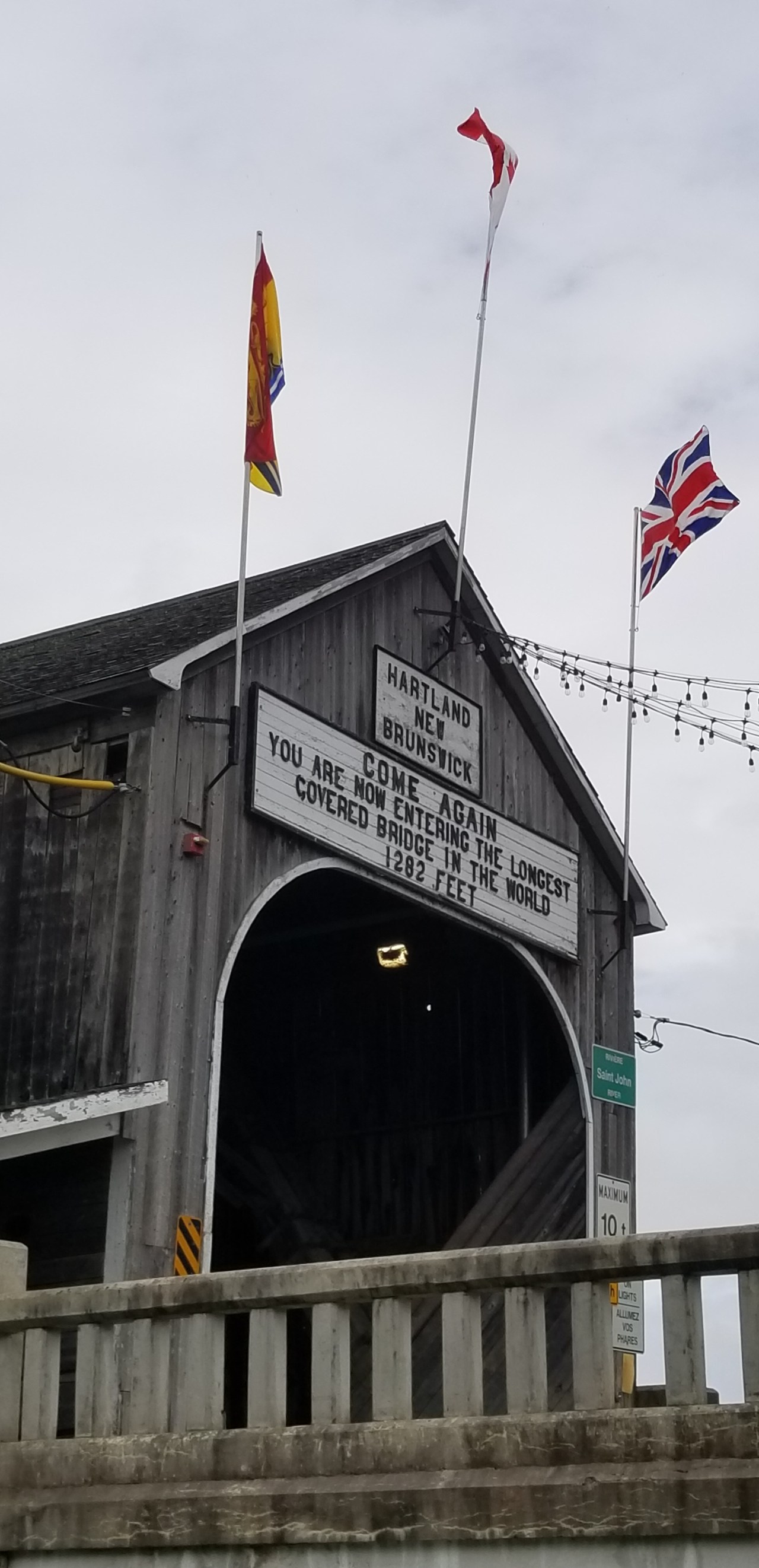
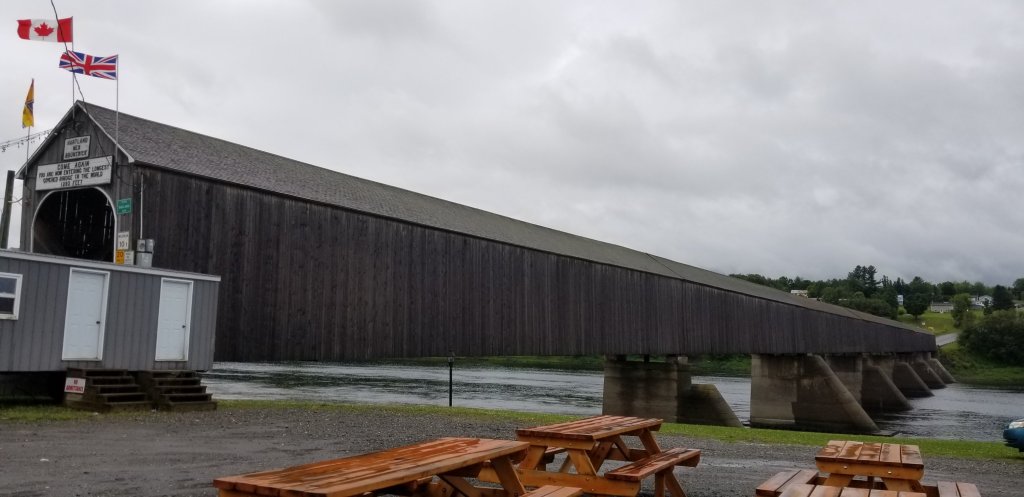
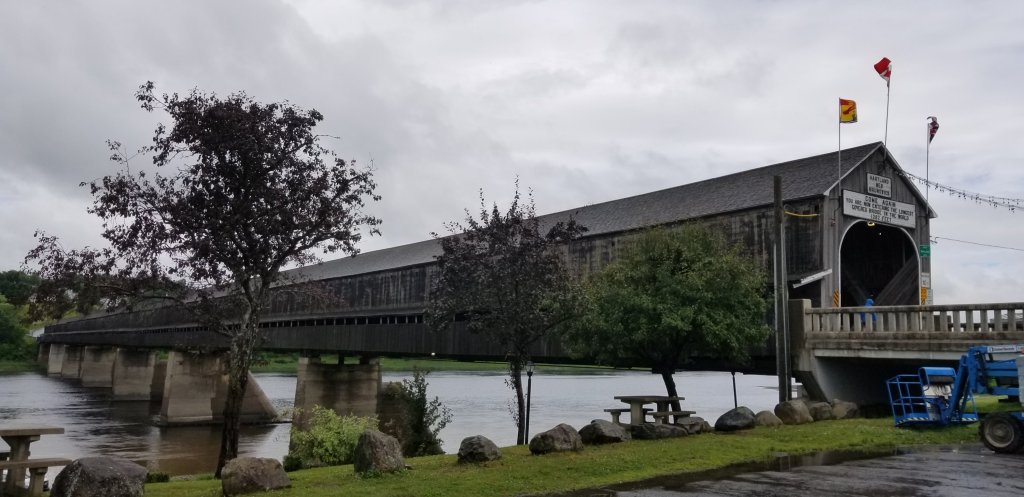
But the one we made a point of seeing is the longest covered bridge in the world, in Hartland, a couple of hours outside of Fredericton. Local citizens built it in 1901, fed up with waiting for the government to respond to their request to help them and their goods get across the St. John River quickly and safely (some things never change, right?)
Entrance to Hartland Covered Bridge
It remained uncovered for the first 20 years of its life, and although it was rapidly deteriorating, some community opposed to enclosing it. Why? They were concerned for the morals of their young people. In the day and age when horse and buggy was still a popular mode of transportation in rural New Brunswick, parents feared for their daughters’ safety when they were alone with young men in the darkness and privacy of the bridge. It was even said that some men were training their horses to stop halfway across the bridge so that the couple could steal a few kisses away from their parents’ prying eyes.
Hmm…it’s taking Joe and Sally a long time to cross that bridge
There are several traditions you can observe when you drive across the bridge (yes, it’s still fully functional). Make a wish and then either keep your eyes closed or hold your breath to the other side to make your wish come true (not recommended for drivers.) Or you can totally trash your morals and share a kiss or two halfway across.
Hartland Covered Brudge, New Brunswick
Once you get to the other side, there’s one more thing you need to indulge in. Drive out of Hartland 10 minutes to the Covered Bridge Potato Chip factory. For $5, you can take a window tour of their kettle chip production line, from the time the potato slices come tumbling down into the hot oil vats until they go through the quality control sorter and continue up a conveyor belt to be bagged. Everyone gets a free bag of still warm chips at the end, and can choose to season them with flavors ranging from white truffle to mac ‘n’ cheese to bubble gum. We saw families buying shopping bags full of chips at the gift shop, a souvenir for the folks at home – if they made it that far.
If you’re a seasoned traveler, you’ll have experienced those days when your vacation came right off the rails. You’ll also be able to relate to the day we spent – or tried to spend – touring the city of Fredericton.
The weather didn’t help. The 30C heat and high humidity made our 20 minute walk downtown from our bed and breakfast an ordeal. Construction around the Garrison District, the main tourism area, meant some of the sites we wanted to visit were closed off, and the scheduled changing of the guard ceremony at the officers’ barracks didn’t happen. We defaulted to visiting the Fredericton regional museum, whose displays were kind of meh. There was a curious lack of interesting shops so browsing was out and not many restaurants, which made finding a place for lunch a challenge. The historic walking tour we planned to take got canceled because of the heat. We also discovered that Monday is a popular closure day for restaurants so we had to default to the “open now” setting on Google to find a dinner spot.
I booked our room last May on the recommendation of another bed and breakfast owner who was already full up for the dates we planned to visit. Even then, the Wolastoq Riverview Suite, Wolastoq meaning the beautiful and bountiful river in the Mi’kmaq language, was their only available room so I snapped it up.
By the River Bed and Breakfast, Fredericton, NB
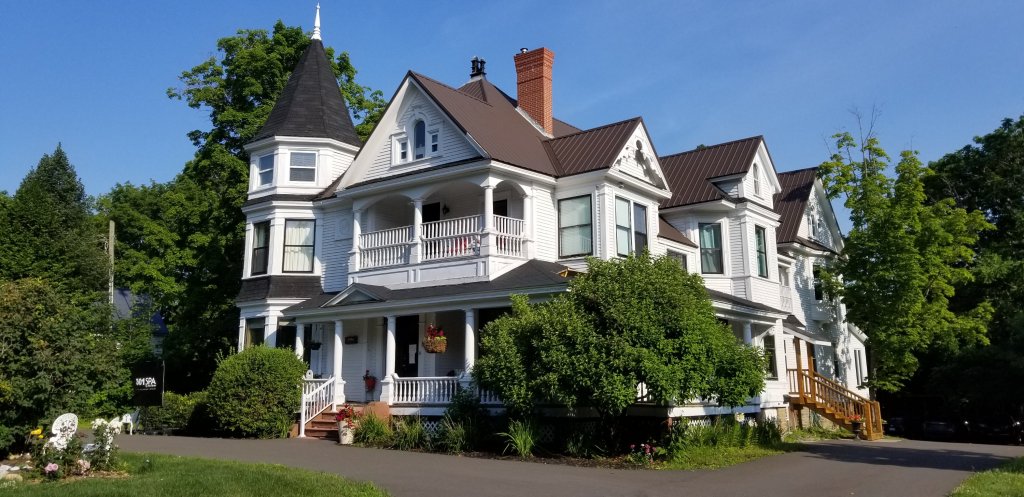
By the River Bed and Breakfast is another of the gracious old homes turned tourist accommodation that are plentiful in the Maritime provinces. Originally built by a lumber baron, it’s now owned and operated by Coral and Hao, who completed extensive renovations on the place pre- COVID, and have created an elegant and welcoming atmosphere.
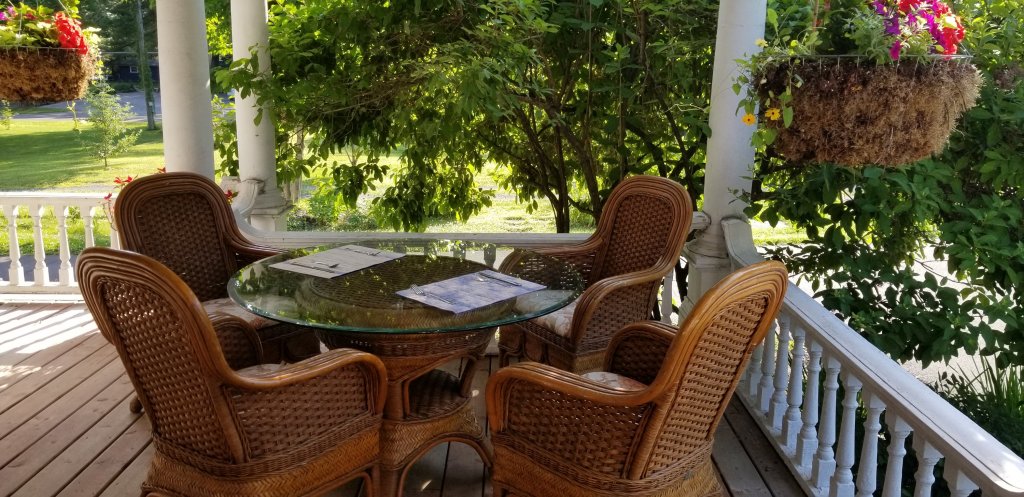
We liked a lot of the house’s innovative touches which we’d never experienced in other old house b and bs. At night, we looked at a menu of breakfast items, and left Coral and Hao a note in the sitting room, indicating what we wanted and when we’d be down for breakfast. There was one dining table for larger groups to eat breakfast, but also one set on the shady verandah, a great choice for a warm morning. Inside, tables for two were scattered through the lower rooms. If we sat at these tables, Coral and Hao’s almost 8-year-old daughter gifted us with a piano recital/practice session, responding to our applause with a gracious nod and smile.
By the River bed and breakfast verandah
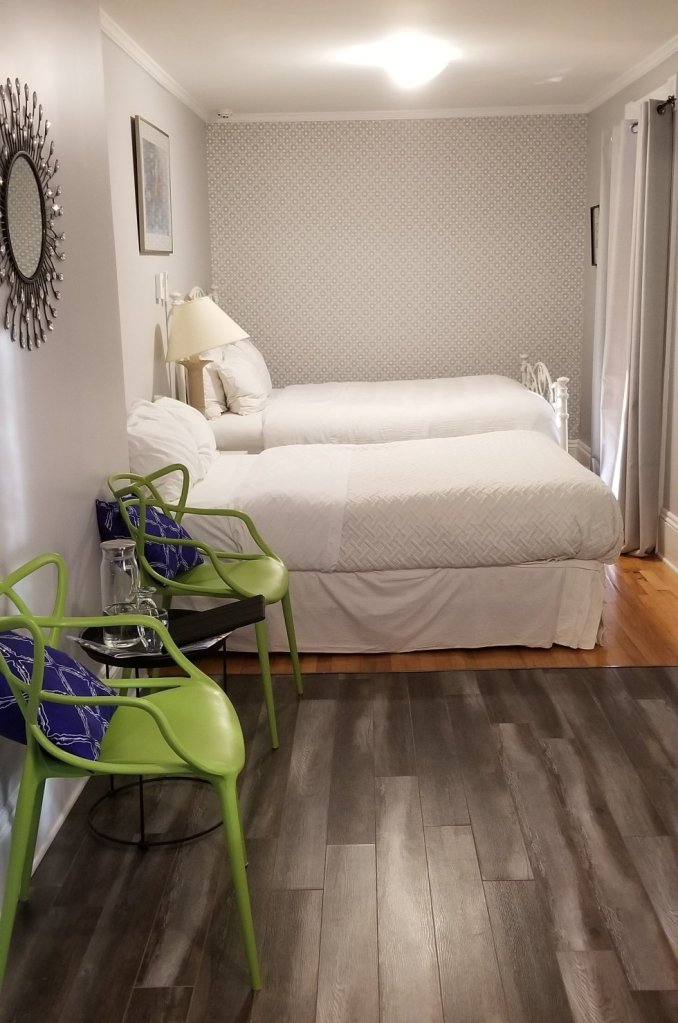
Our room was also a treat. Although we love gracious old house bedrooms, they can be a little squishy for two people and their traveling gear. This one was large and completely renovated, with a gleaming ensuite bathroom double the size of ours at home. Too bad it was too hot to use the equally enormous hot tub.
Wolastoq River Suite, By the River B and B, Fredericton
For me, the most endearing feature of our room came as a complete surprise. As we were getting settled in, Lorne said, “I wonder what’s behind this curtain?” Pulling it aside, he gasped, yanked the curtain shut again, and said, “Oh, Pam. You have got to see this for yourself.”
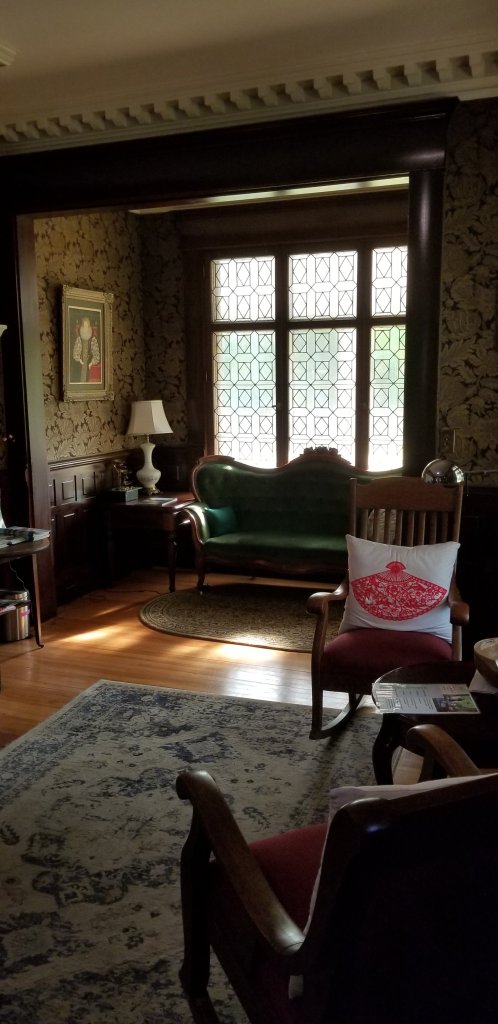
Behind the curtain and down three steps was a tiny, perfect, pine-panelled room. In the By the River ad, it’s called a sun room, but I renamed it the writer’s nook. Thanks to a lofty ceiling and huge screened windows on two sides, the light poured in, and in the evening, you could enjoy a delightful cross breeze. A little desk with a lamp and chair provided a spot to be seriously productive if you wanted to be. But I spent most of my time in the comfy wing chair, blogging, reading, and gazing out at a towering grove of trees. I imagined myself returning in the fall to begin work on the book I have in mind, looking out at that same grove of trees, their leaves ablaze in Canada maple leaf red.
Writer’s nook, By the River B and B, Fredericton
Please note: This blog post was not in any way sponsored by the By the River Bed and Breakfast. It is an honest appraisal of my experience there inJuly 2022.
Somewhere in a box of old photos, I have a picture of myself from a trip I took to PEI with my sister in the 1970s. I’m sitting on a sand dune among a waving field of marram grass, the vegetation whose matted root system literally keeps the sand from blowing away.
We didn’t realize then – and maybe scientists didn’t either – the fragility of the sand dune ecosystem of which marram grass is a part. Trampling it – much less sitting on it – causes irreversible damage to sand dunes. Now, on PEI, there are fences and warning signs alerting people to “stay off the grass” and avoid climbing on the dunes.
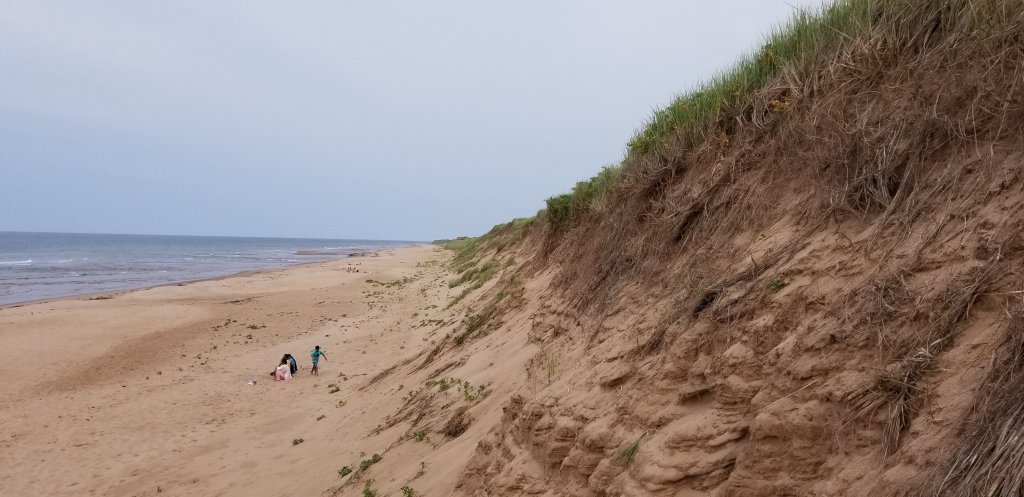
However, if you want to get up close and personal with PEI’s largest dunes, while still respecting the ecosystem, head out to Greenwich, on PEI’s undervisited northeastern coast. Now protected by Prince Edward National Park, you’ll need to pay a small fee at the interpretive centre to access the trails. It’s also a smart idea to fill up a water bottle and access the bathrooms there because once on the trails, there are no facilities.
You can choose from three trail lengths – 1, 2.5, and 4.5 km round trip. We decided on the longest one because it takes you over a marsh and out to the dunes themselves, whereas the others do not.
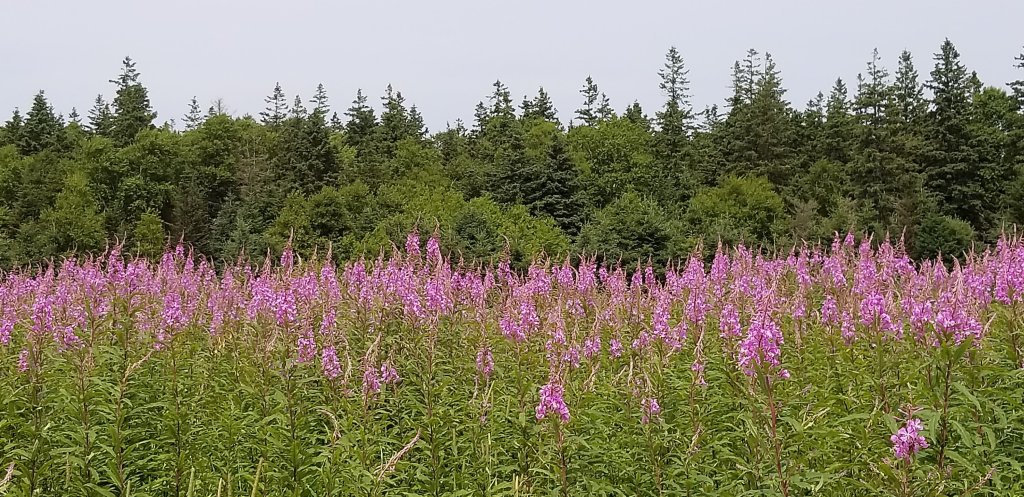
It’s advisable to wear closed shoes to avoid getting little pebbles in your sandals, because the first part of the trail is a fine gravel pathway through what used to be farmland. All kinds of flowers bloom along the route, including clusters of aromatic wild rose bushes, baby’s breath, Queen Anne’s lace, and a stunning meadow of lupins.
Love those lupins!
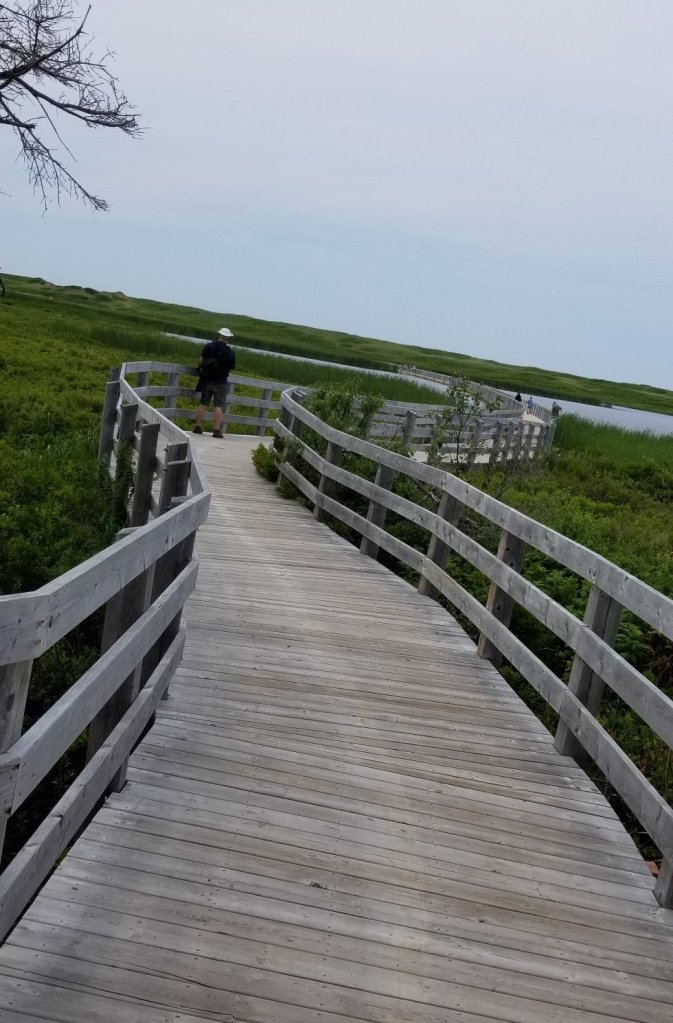
After a short walk through a forested area, we emerged onto the boardwalk that would take us across a marsh and out to the dunes. It was rich with flora and fauna and tranquility.
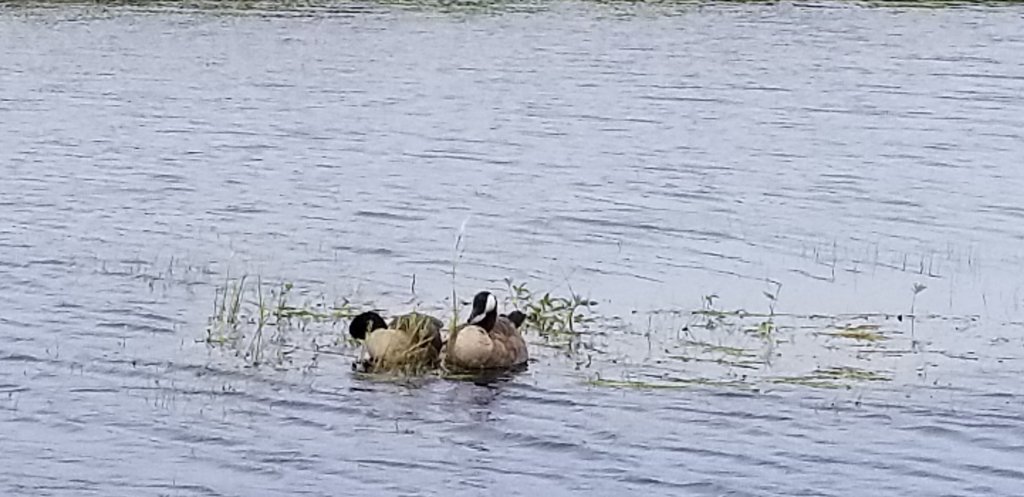
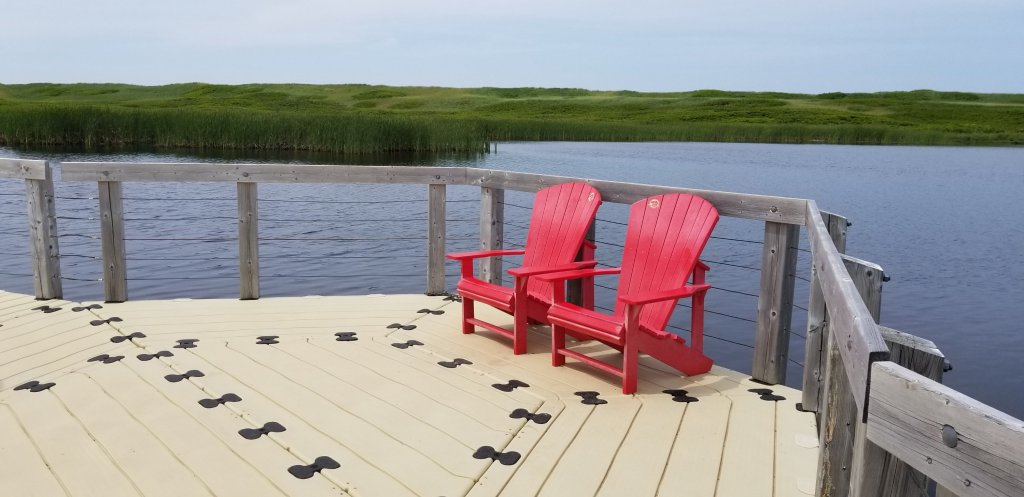
The start of the Greenwich boardwalk Canada geese enjoy the Greenwich marshlands A place to rest on the Greenwich boardwalk
At the crest of a sandy slope, we could appreciate the boardwalk from above and get our first glimpse of the beach below.
Looking back on the Greenwich boardwalk Greenwich sand dunes and beach
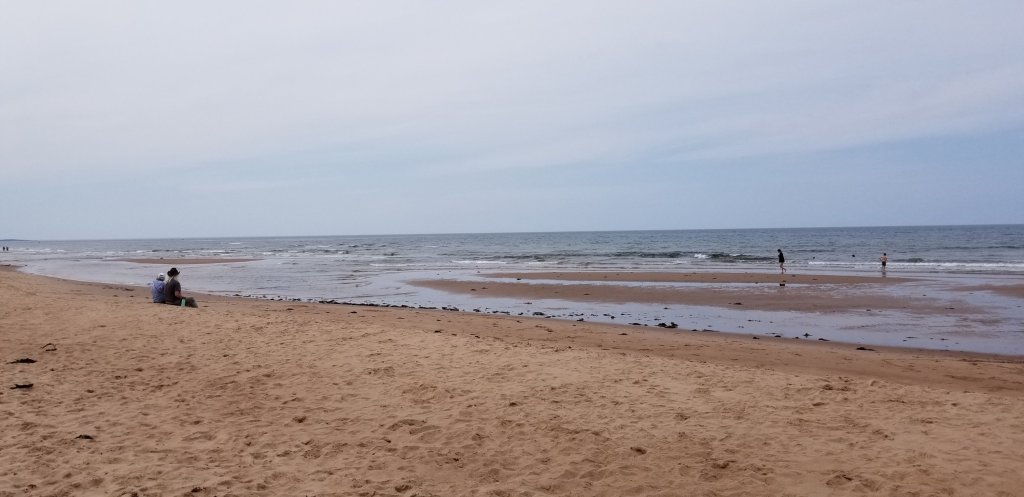
If you’re looking for an uncrowded beach and interesting sand dune formations, you’ve come to the right place.
Mostly deserted Greenwich beach Greenwich beach and sand dunes
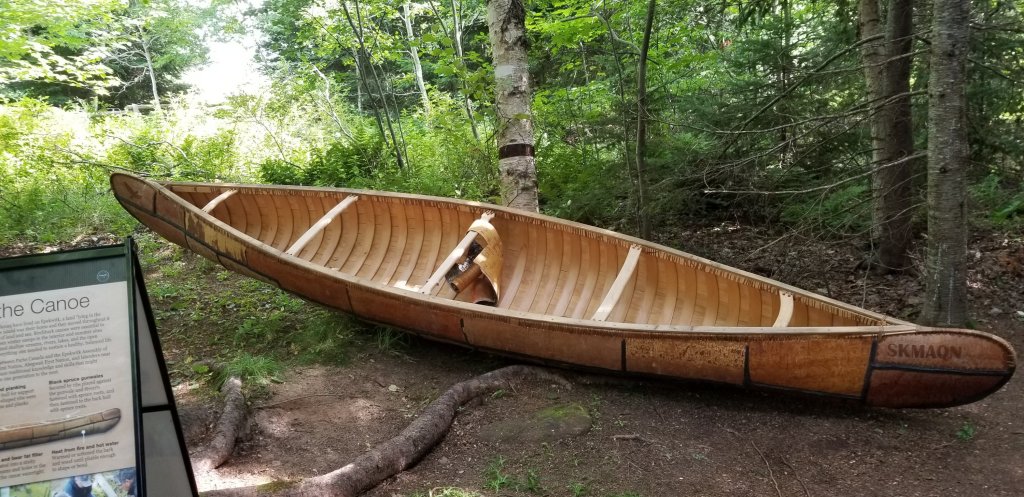
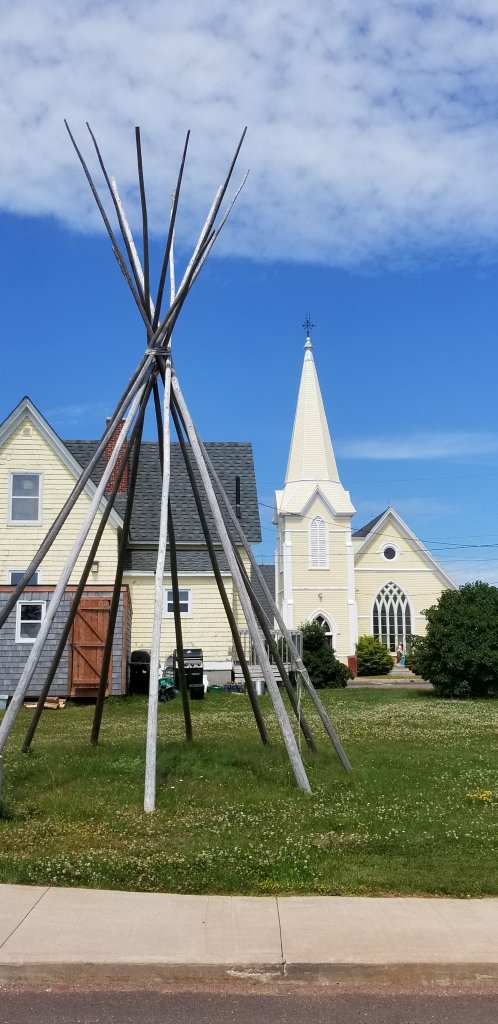
On our return trip to the interpretive center, we paused to add to our understanding of Mi’kmaq culture. Parks Canada has hired several members of the Mi’kmaq nation, including an elder, to introduce people to the culture’s past and present. An encampment set in the forest is designed to encourage visitors to wander and ask questions. I heard the story of a canoe that was added to by community members as the elder and several others paddled it between communities.
Mi’kmaq communally-built canoe
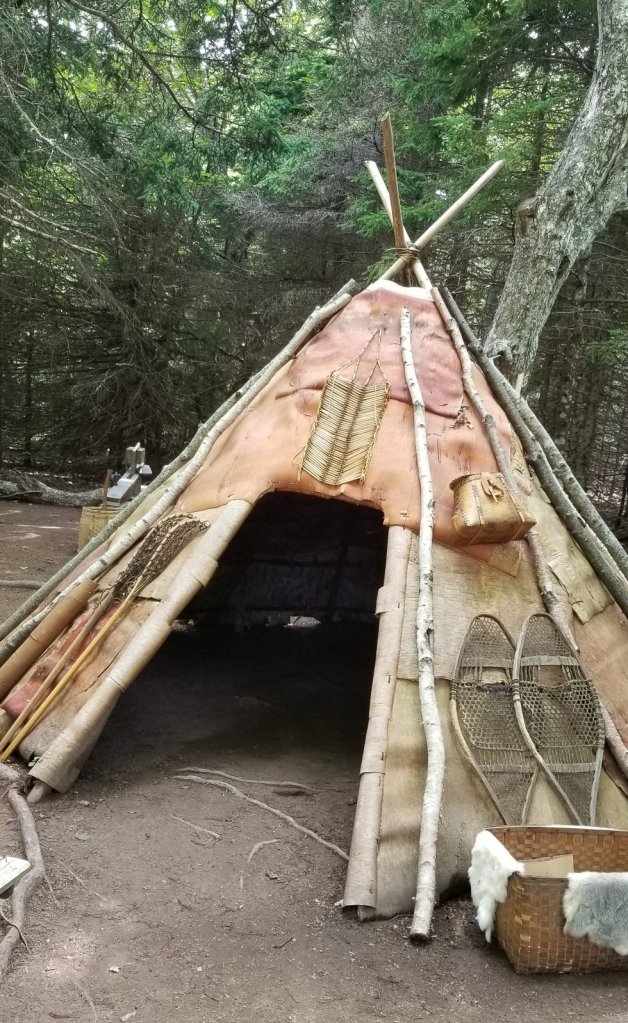
And who knew there’s a difference between a tepee and a wigwam , the first covered in hide and designed to be dismantled for travel, the second, covered in birch bark and a permanent residence? Now I know, and so do you 🙂
On our travel day to PEI, we’d been up at 4 am for a 2 hour, 7 am flight from Hamilton to Moncton, then stood in line at the airport for a car rental, and finally driven a couple of hours to get to Summerside. As a result, we were looking for something low energy to do the day after the day of.
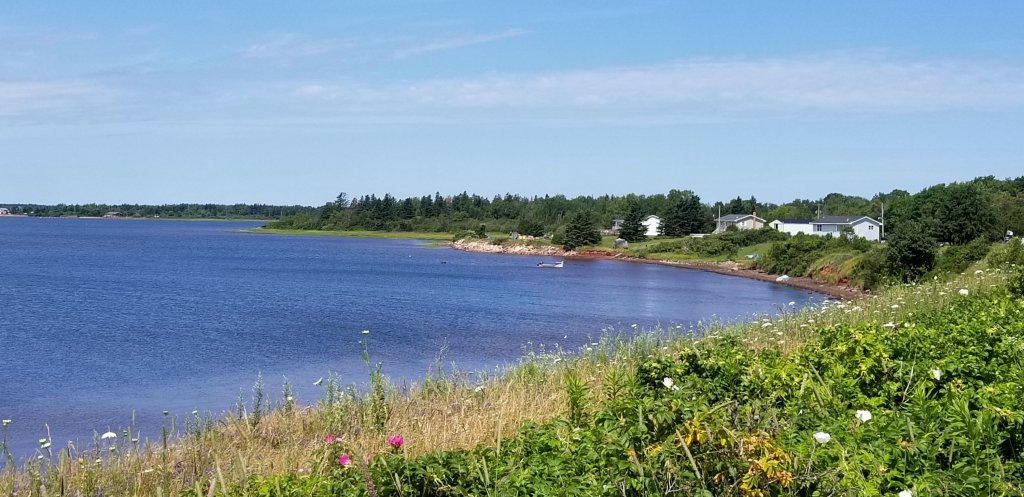
Lennox Island
We began with a drive from Summerside to the Mi’kmaq (pronounced Migmaw) Cultural Center on Lennox Island. When the British initially colonized PEI, they handed over large parcels of land to absentee landlord gentry, leaving the Indigenous people quite literally out in the cold. Eventually, the British let the Mi’kmaq settle on Lennox Island, where they struggled to make a living. Their children were sent to residential school off Island in Nova Scotia and New Brunswick. Times were tough.
Today, though, the Lennox Island Mi’kmaq enjoy a diverse economy, send their children to a new school in the community, and maintain a small but interesting cultural centre, staffed by local youth. When we arrived, a group of high school kids were participating in a talking circle outside around a smoldering fire, so we headed into the cultural centre. A young man told us a little shyly that he could give us a tour, apologizing for using a cheat sheet since he was new to his role.
Lennox Island Cultural Centre
Some of the most interesting stories he told were how historic events had impacted his family. His great grandparents had vigorously opposed sending his grandfather to residential school. His family had gradually lost the Mi’kmaq language – his grandparents were fluent, his mom understood but didn’t speak it, and he only knew a few words and phrases.
He also shared an interesting twist in the complex interaction between the Catholic Church and traditional Indigenous beliefs and practices. The Catholic Church refuses to fund the Lennox Island church because the Nation uses it for gatherings besides those associated with the Catholic faith. “Never mind,” he said, with a twinkle in his eye. “We raise funds that more than cover our costs!”
A mixture of faiths on Lennox Island
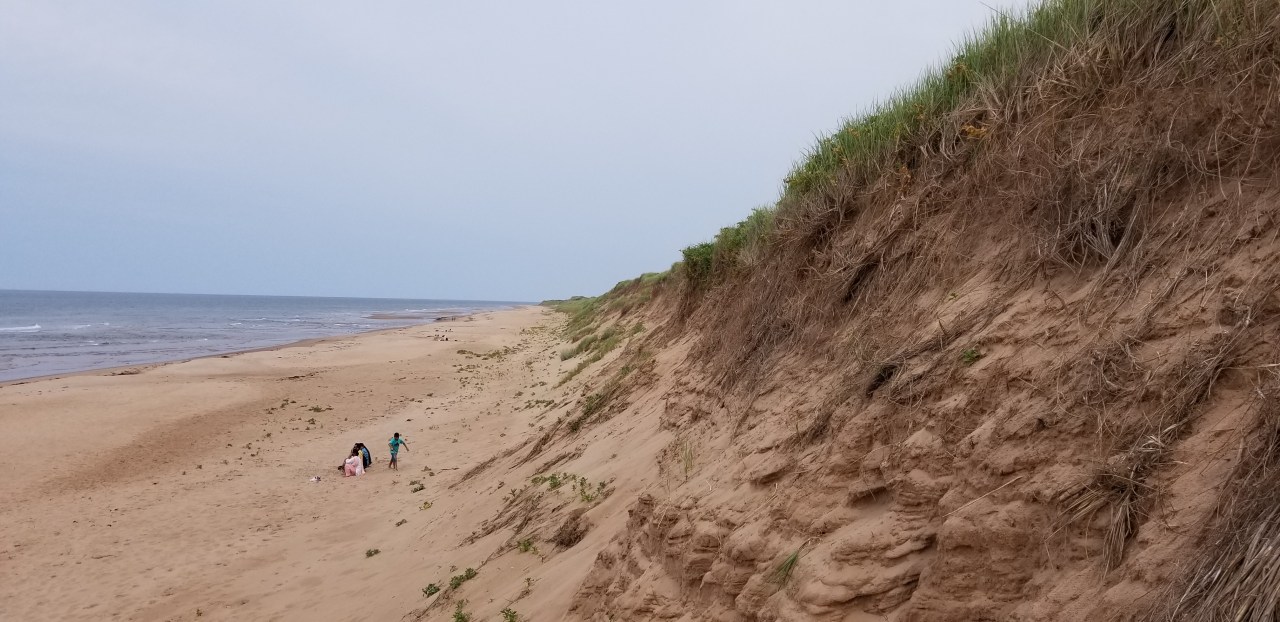
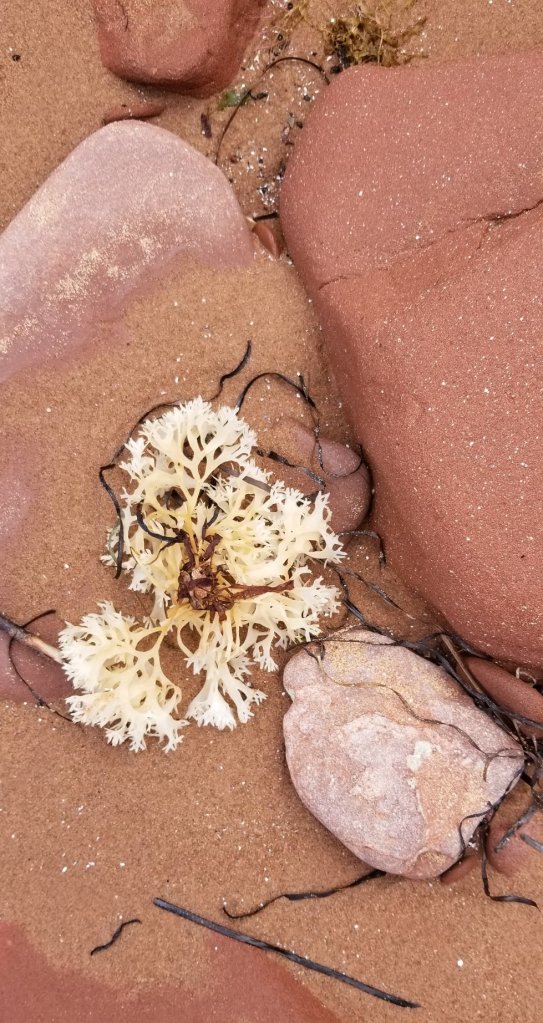
After our tour, we headed off to Thunder Cove Beach, a ” locals only” destination on the north shore shared with us by Mary Anne, our b and b owner in Summerside. We’d never have found it without her recommendation: there is no official parking lot or other facilities, just cars lining a red dirt road and families carrying floaties and coolers up and over the sand dunes to the beach below.
Thunder Cove beachSandcastle art, Thunder Cove
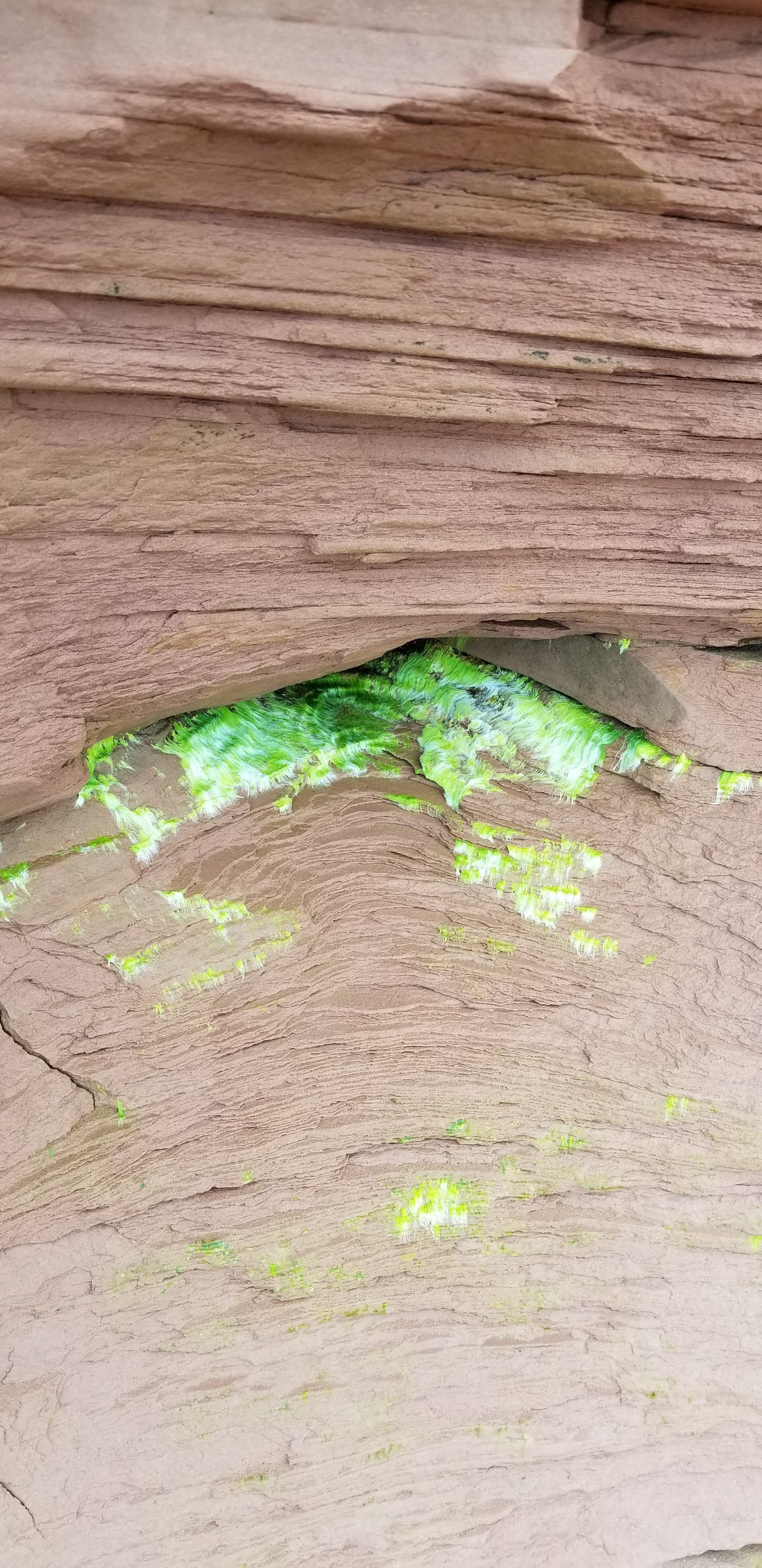
One of the coolest things about this beach are the sandstone cliffs and caves. Peek inside the sea-carved hollows and you never know what interesting things you’ll find.

























 Wise Woman Travel