Wise Woman Travel

Exploring the world from a female perspective

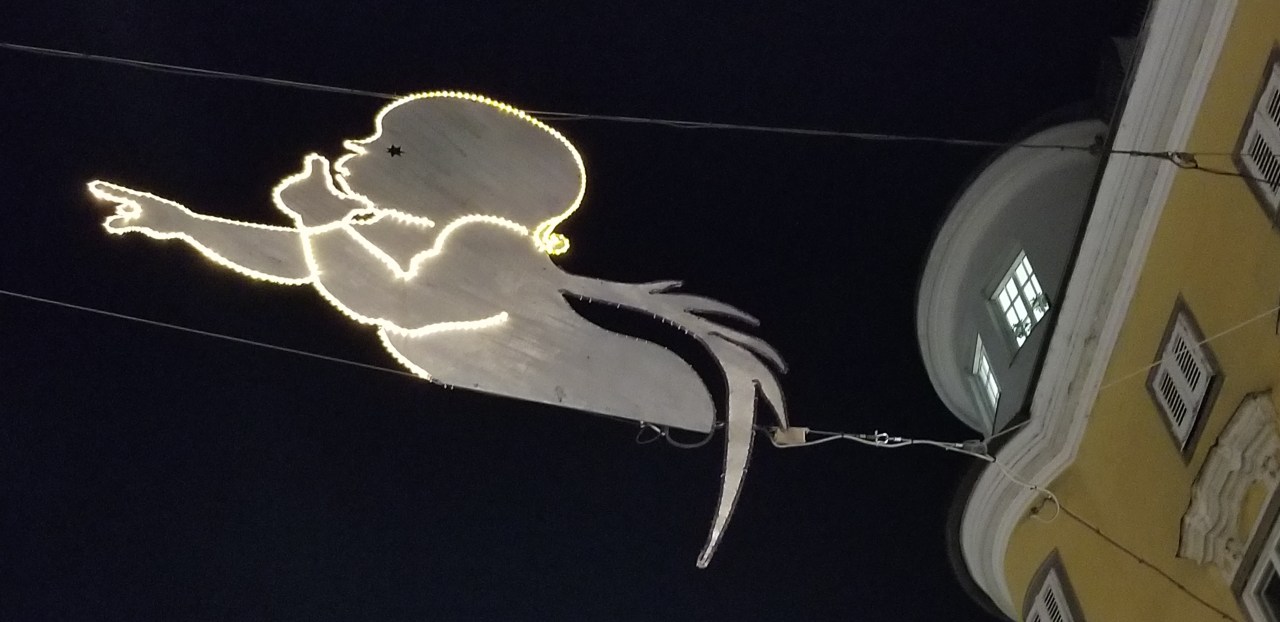
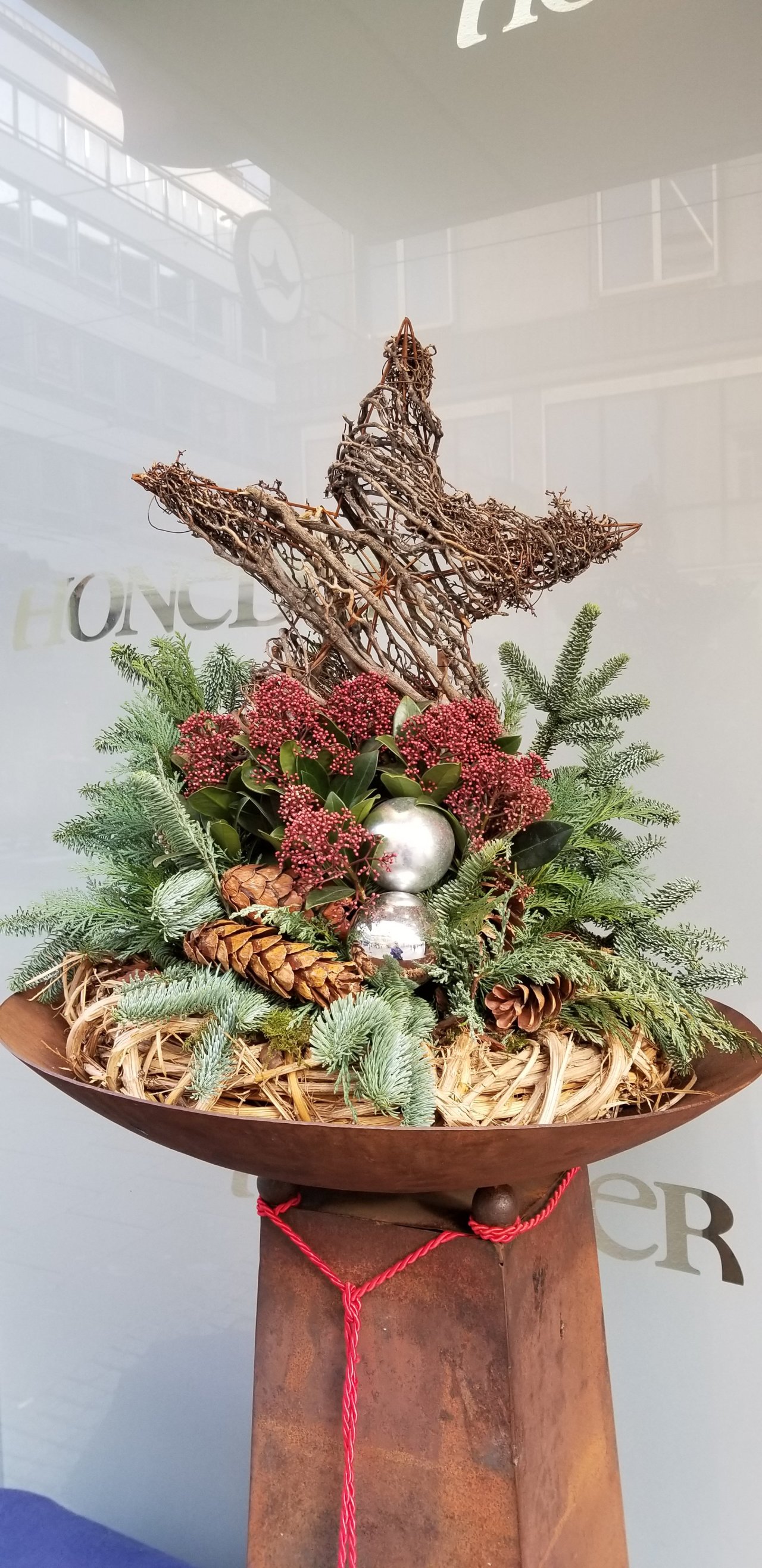
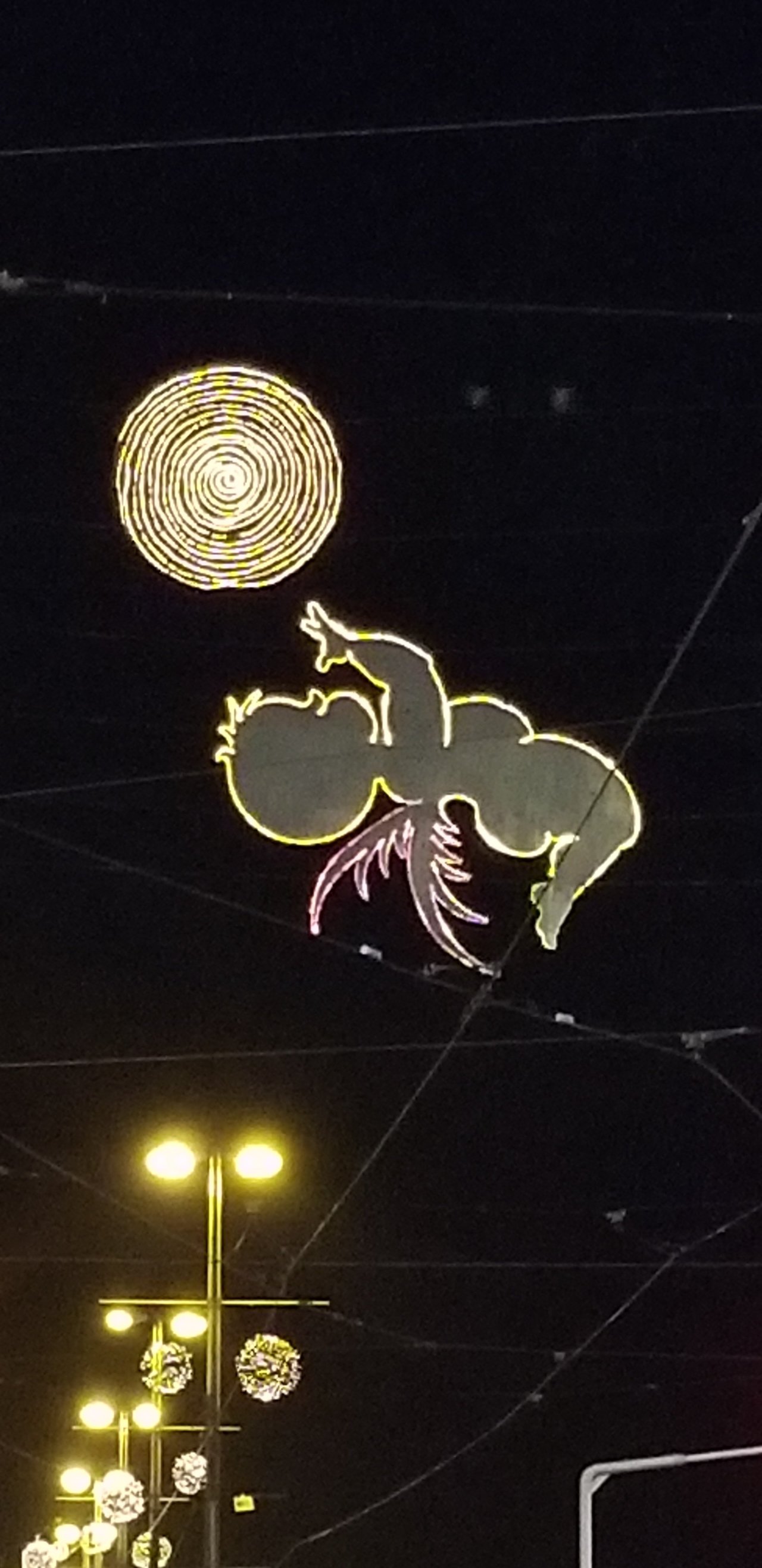
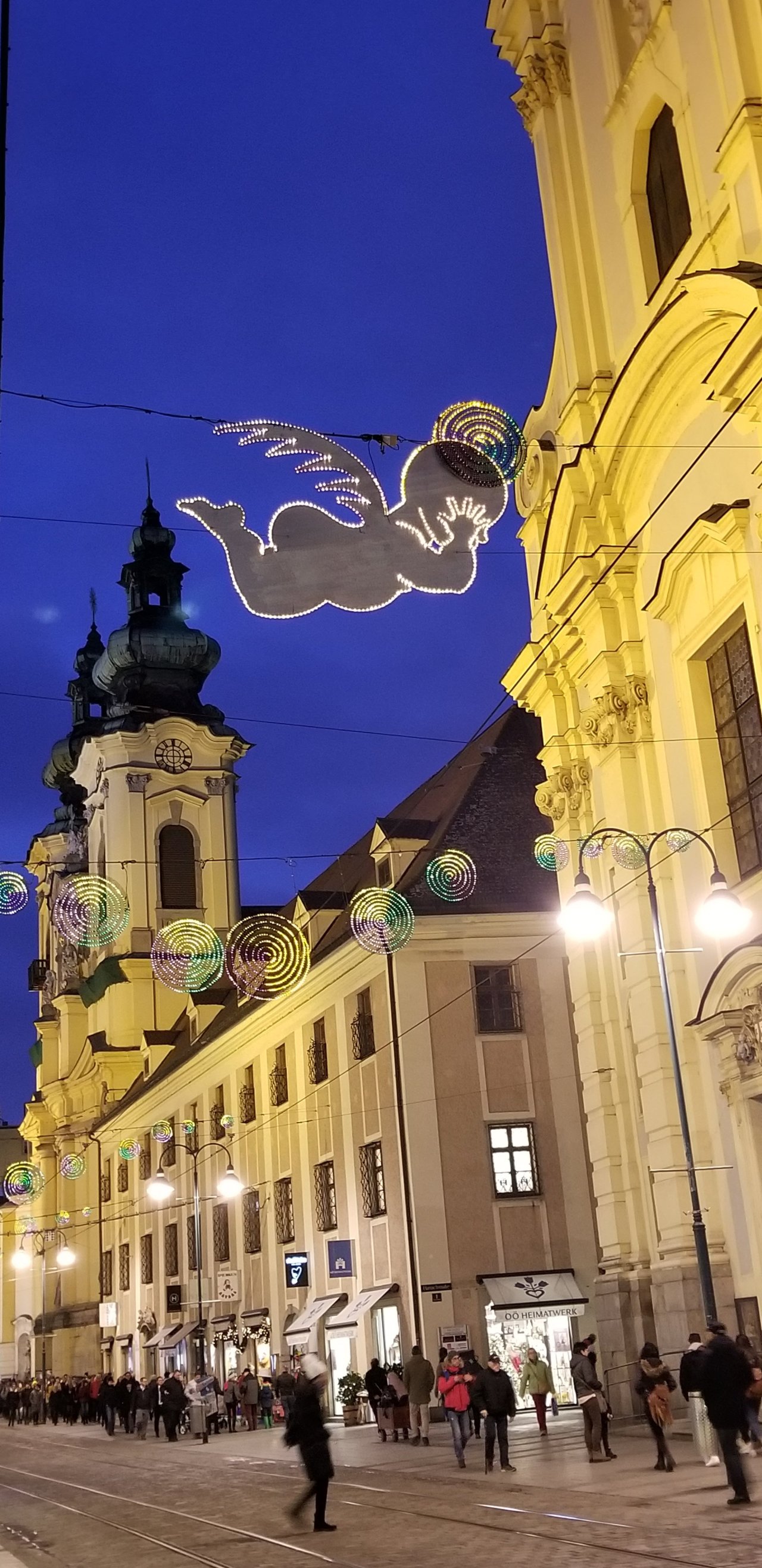
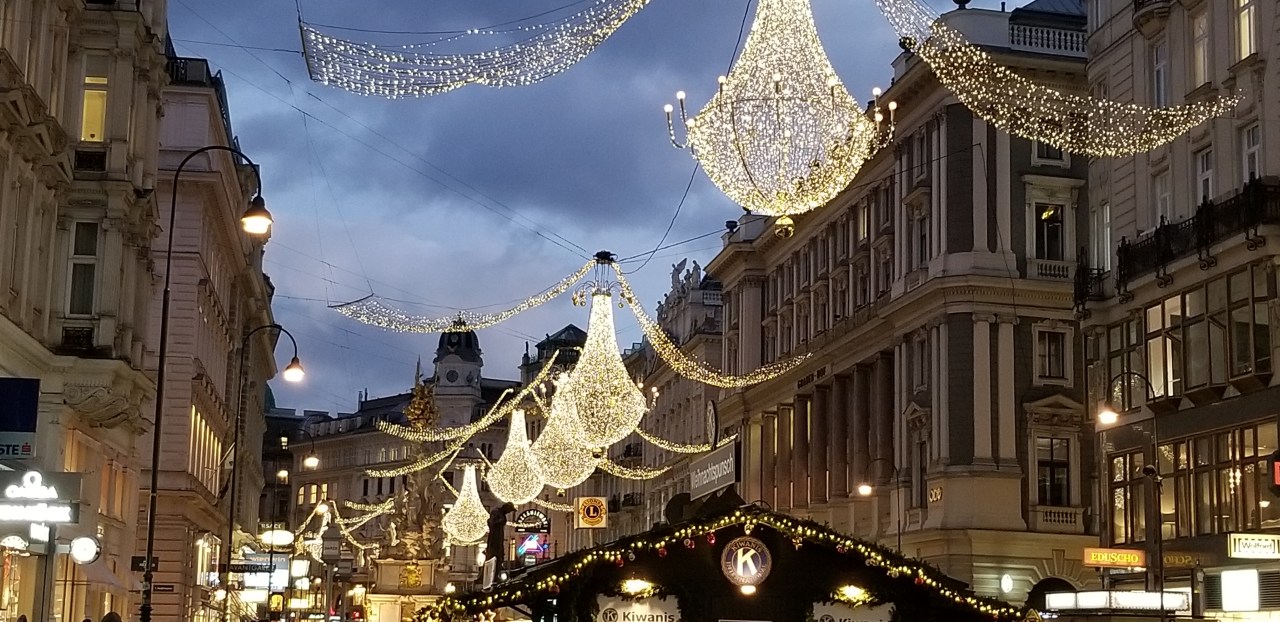
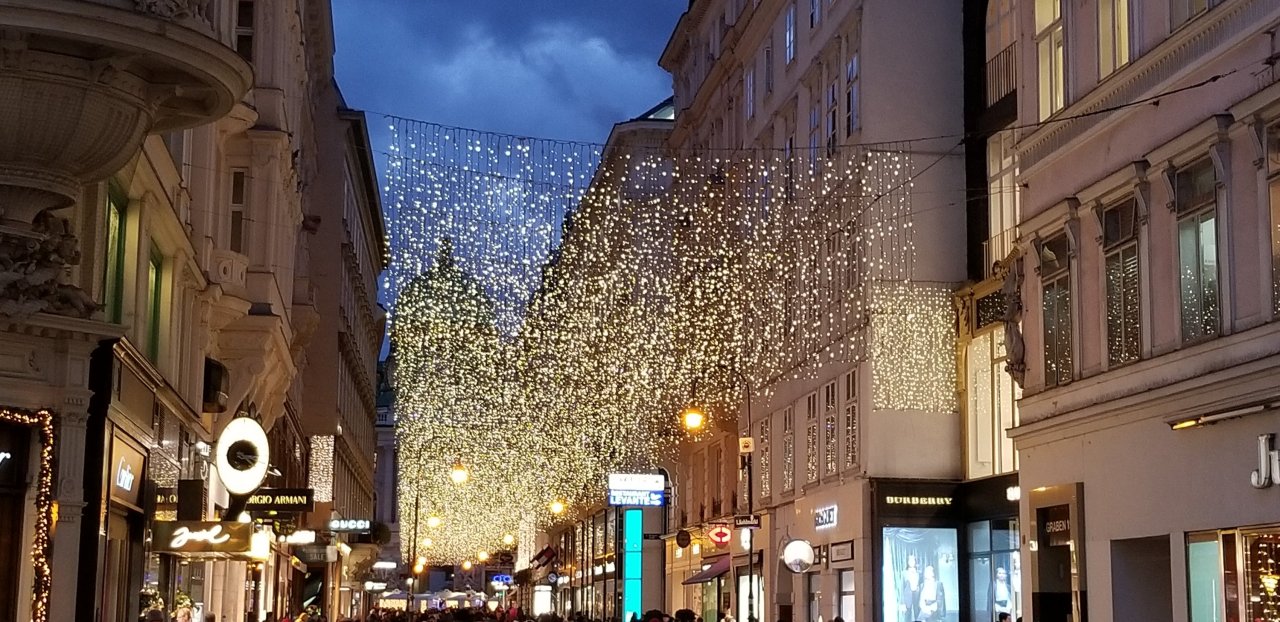
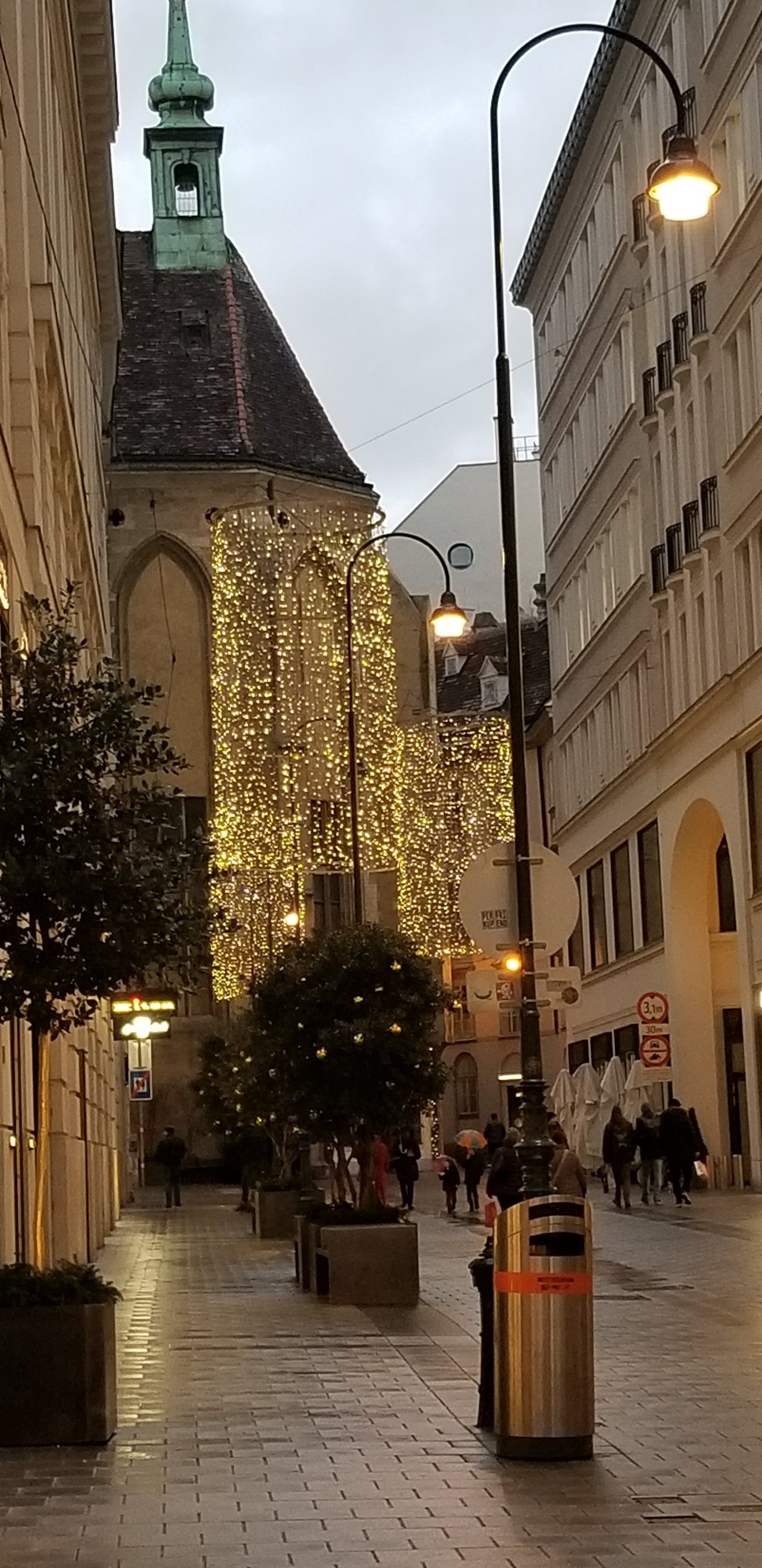
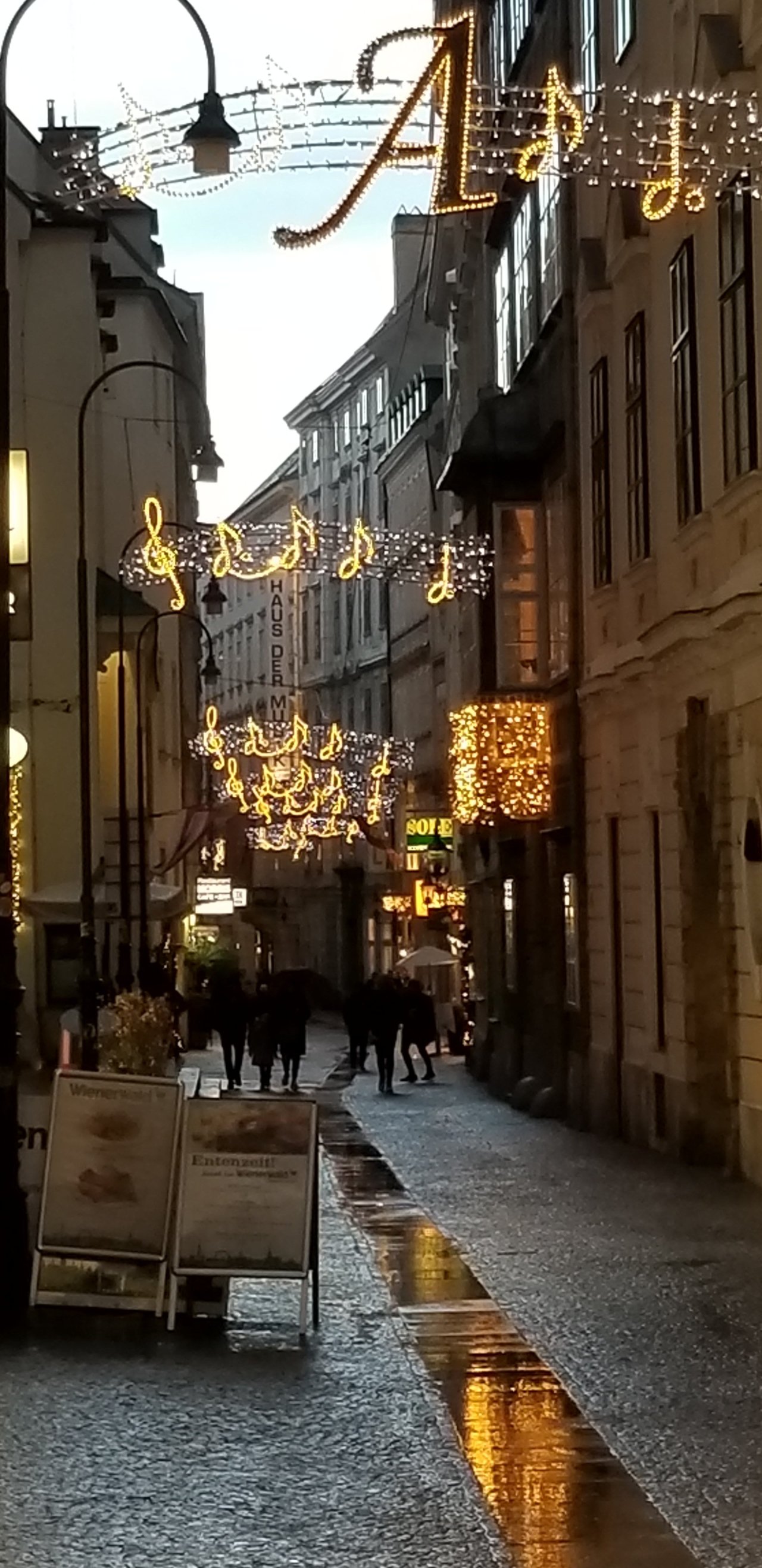
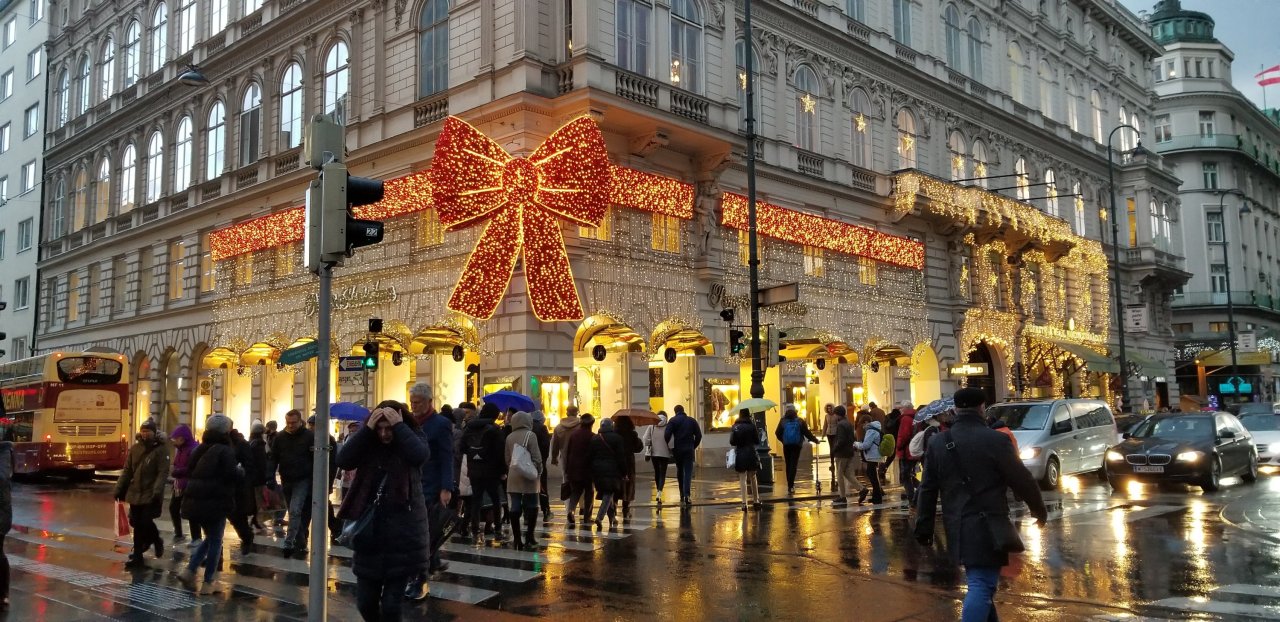
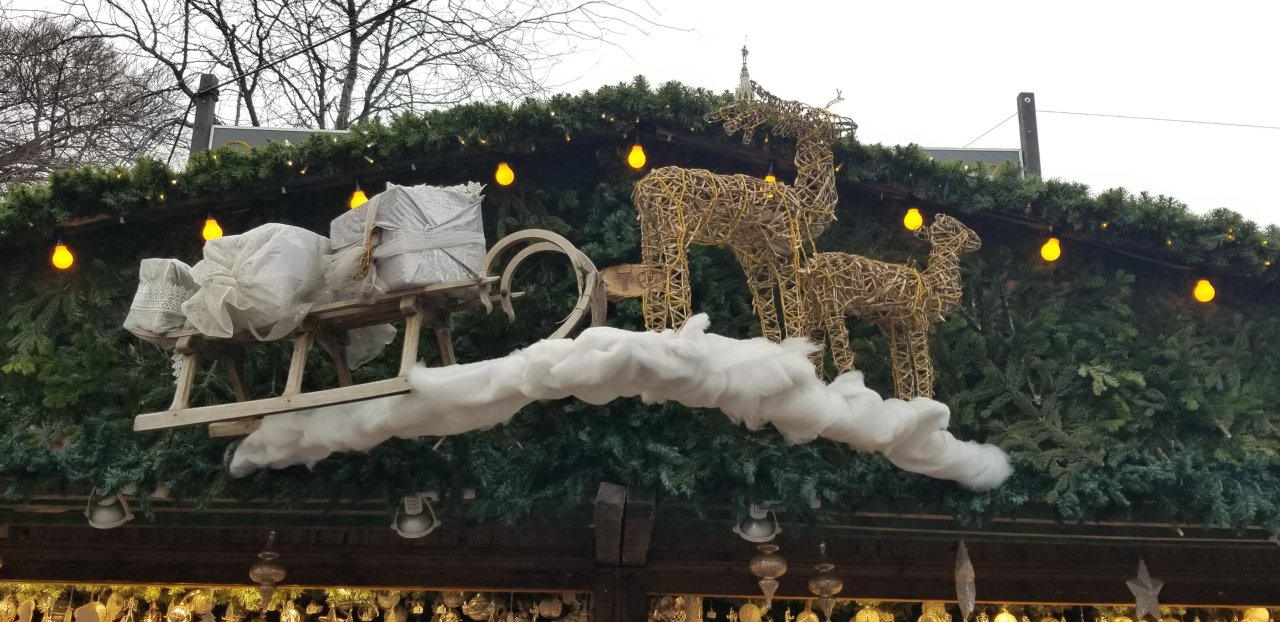
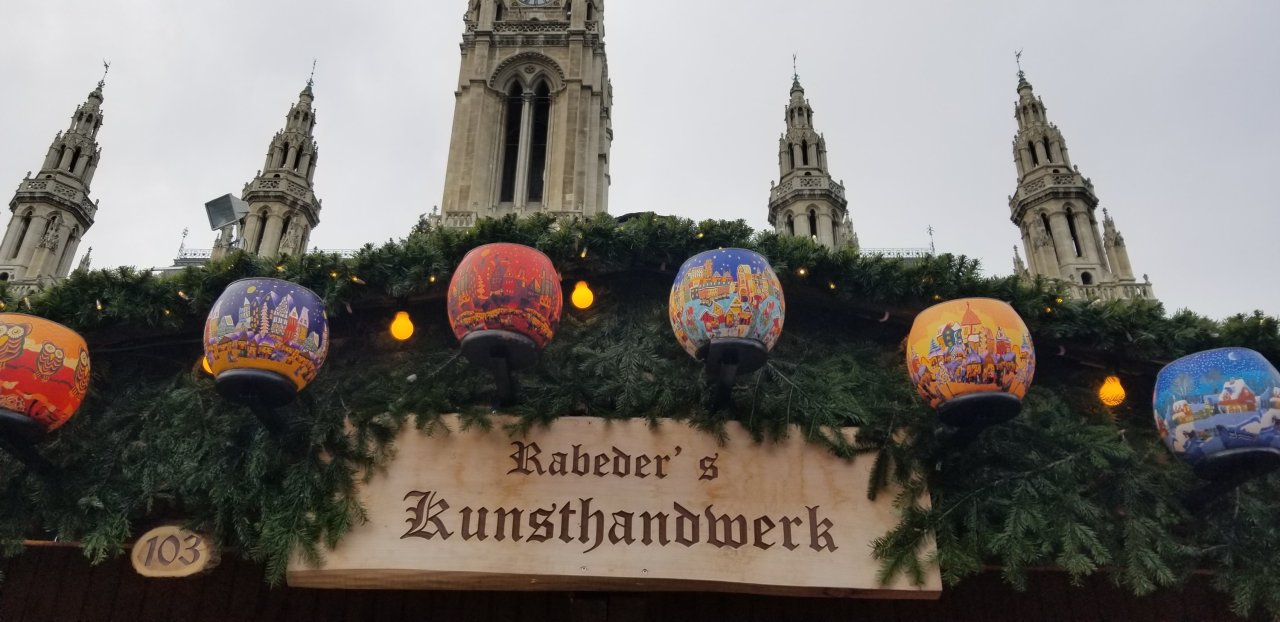
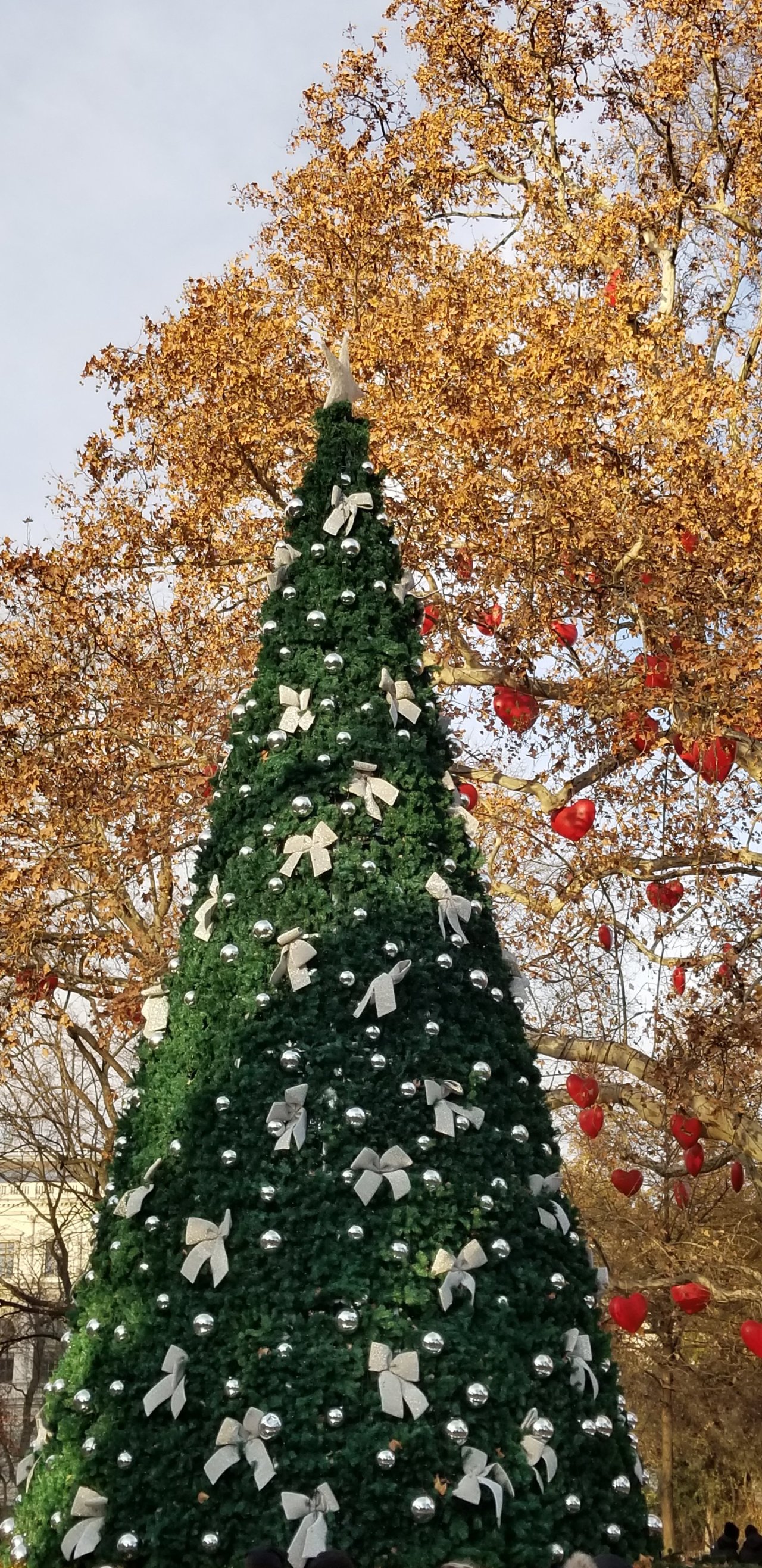
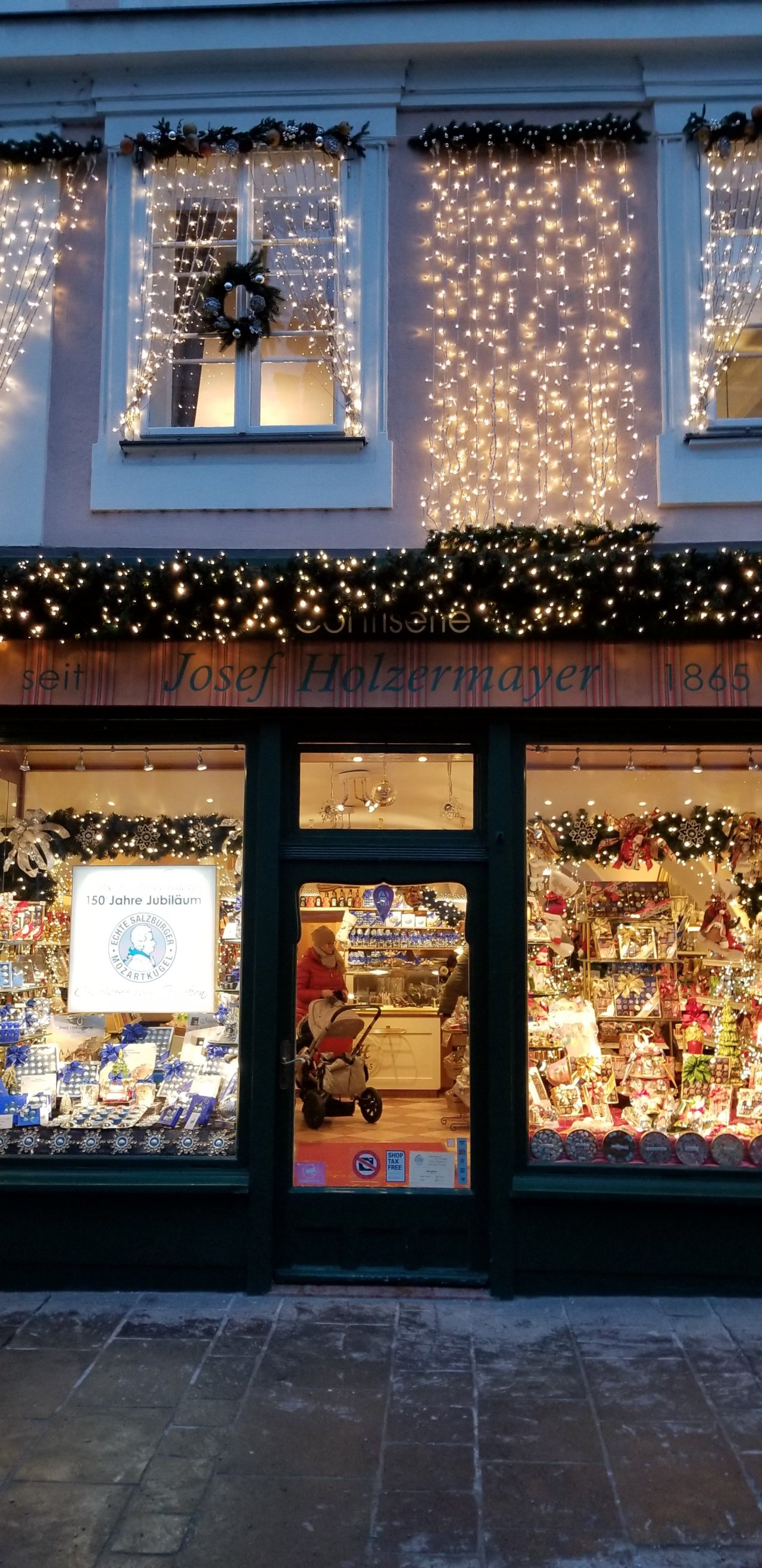
December in Austria is all about light displays. Stars. Trees. Cupids. Snowflakes. Chandeliers. Every city, village, shop window, and hotel lobby glows with the anticipation of Christmas.

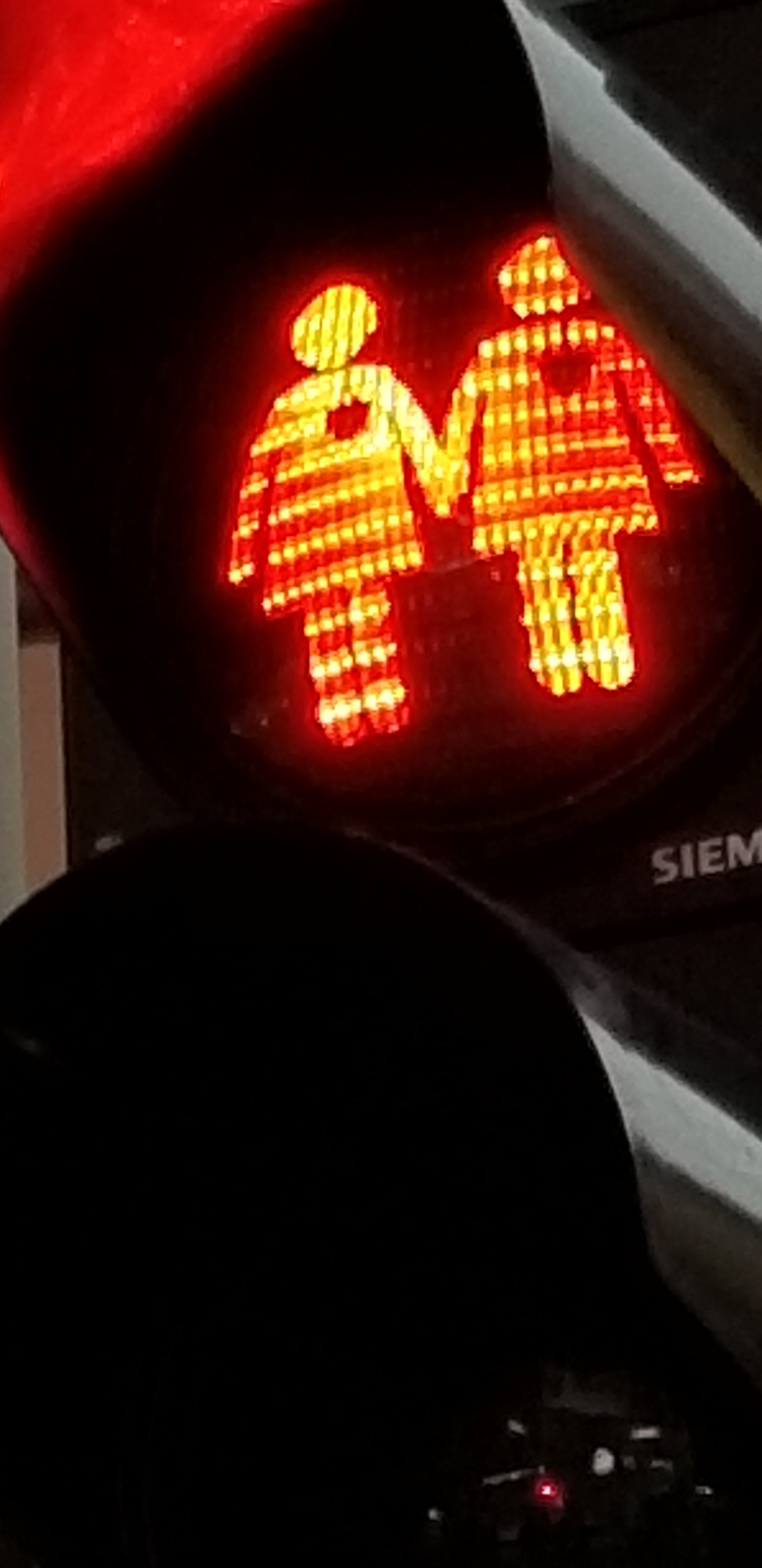
But as I’ve added silver and golden images to my phone’s photo gallery, and Instagrammed my way through Vienna, Linz, and Salzburg, another type of light display has caught my eye – the walk/wait lights that recognize it’s not only heterosexual people who cross the street in couples.

The lights were installed first in Vienna in 2015 as a temporary fixture when the city hosted several LGBTQ-related events: pairs of men and women with hands and hearts linked, striding along with their heterosexual counterparts.The Austrian right wing party saw red, and threatened to take criminal action against the female council member responsible for Vienna’s traffic issues.

But you can’t hold a good woman down – or, in this case, pairs of good women and men. The lights eventually became permanent in Vienna, and sauntered into Linz and Salzburg as well.

Long after the Christmas displays have been doused by the gloom of January, Austrian intersections will continue to blaze red and green trails of light and love.

20181215_095704.jpg

Some of my favorite vacation days are the ones when I have time just to wander, getting to know a new place with no particular destination in mind.

Linz is particularly suited to this type of serendipitous discovery. With just over 200000 people and few tourists, its uncrowded sidewalks and unhurried pace of life are welcoming to those of us who make the 2-hour trip west from Vienna.

I started my trip by walking towards the Christmas market at the Volksgarten, just a few minutes from our hotel. It was fun to see animated scenes that were no more sophisticated than the ones I remember seeing as a kid in Edmonton’s Hudson Bay store windows.

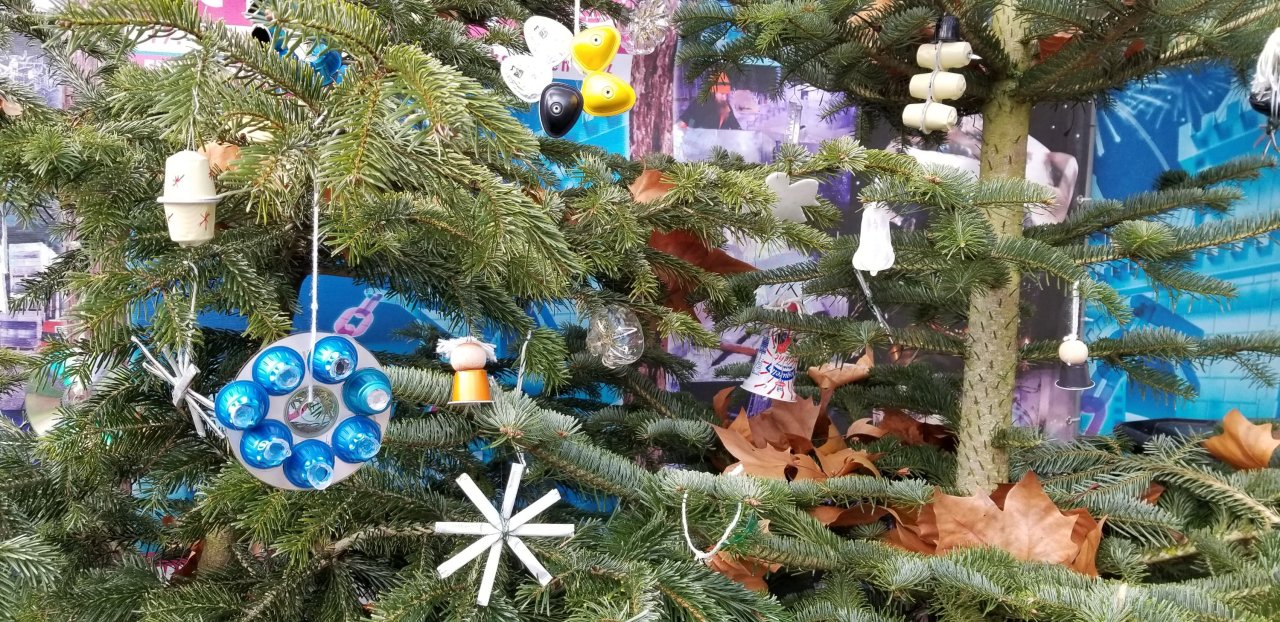
I also enjoyed the trees that had been decorated by local students, especially the one from a department of neuromedicine that made innovative use of their old CDs and used cream and Keurig containers.

I’d just begun to look around the market booths when six young women from a local middle school, lugging audio and video equipment, asked if they could interview me about Christmas for a media project. After finding out that I spoke English, they had a brief discussion about who would do the translation into German: a girl wearing a toque that proclaimed she’d rather be at Hogwarts offered her talents and we were ready for the shoot. They posed me in front of an evergreen and we all agreed that we could post each other’s images on social media.

Knowing there was another Christmas market at the other end of Landstrasse, the main shopping street in Linz, I windowshopped my way along, remembering to look up from time to time at the historic buildings that backdropped the district.

A turn along a street marked Promenade brought me away from the shops and into quieter old town Linz.

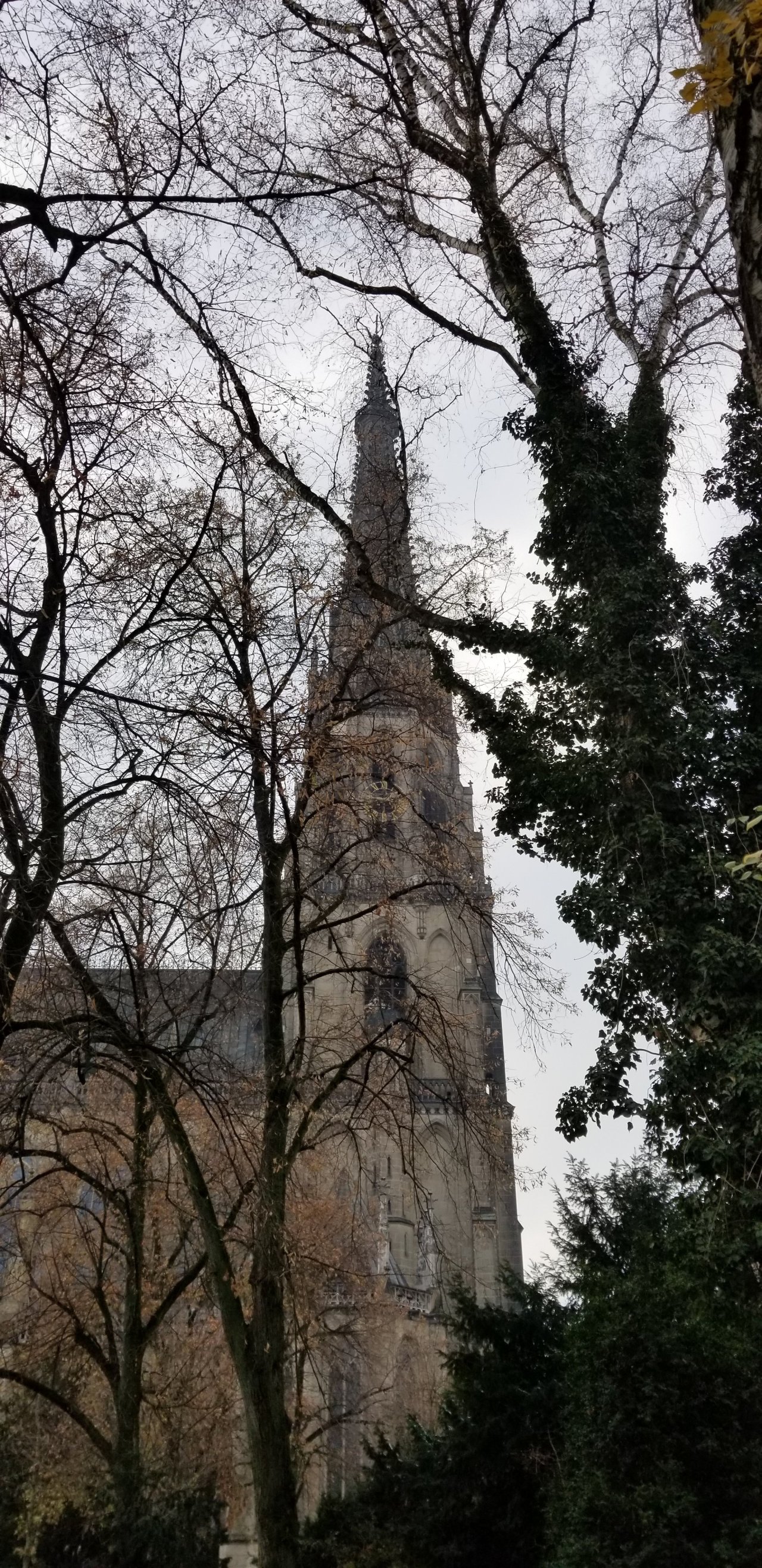
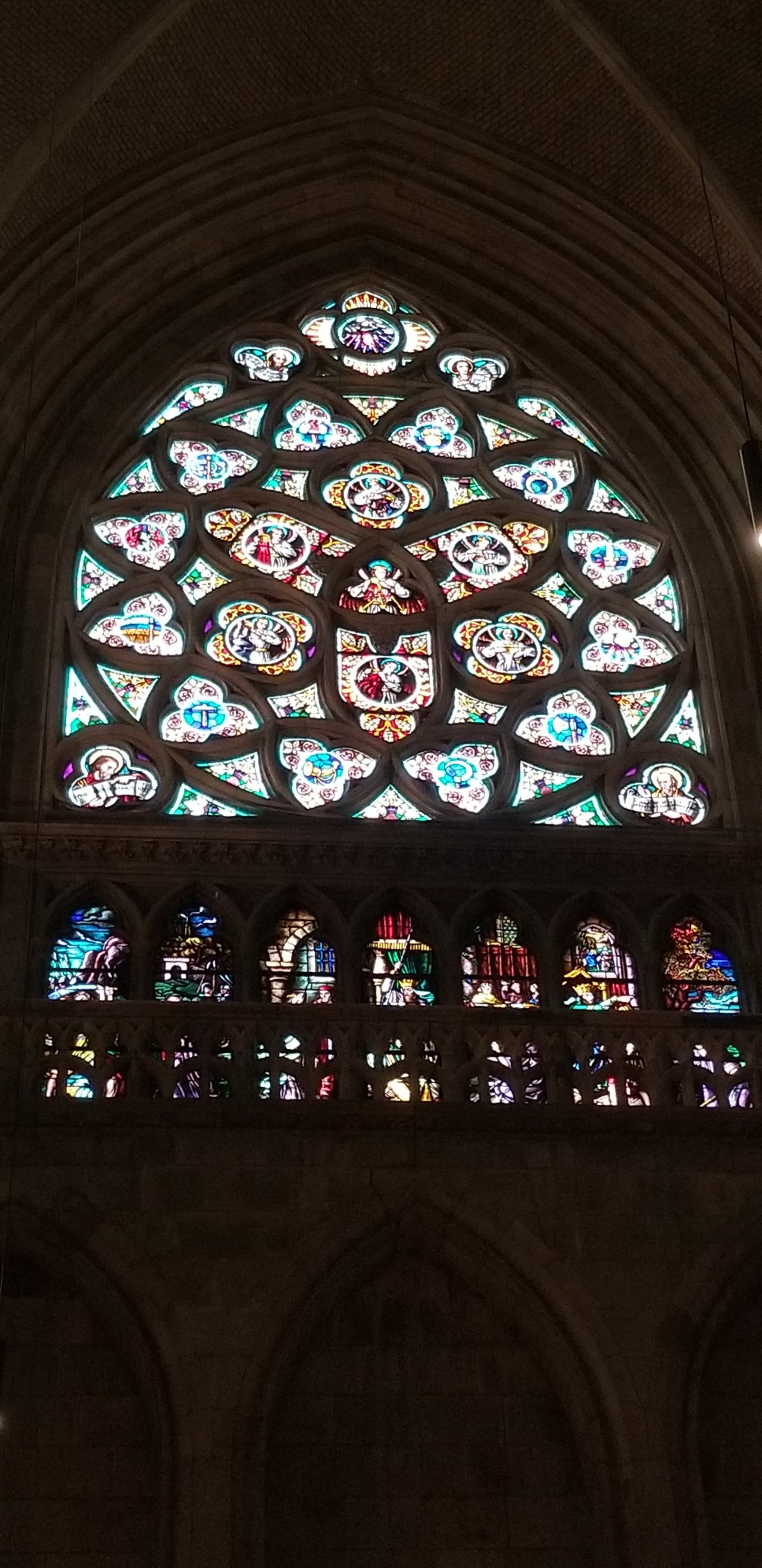
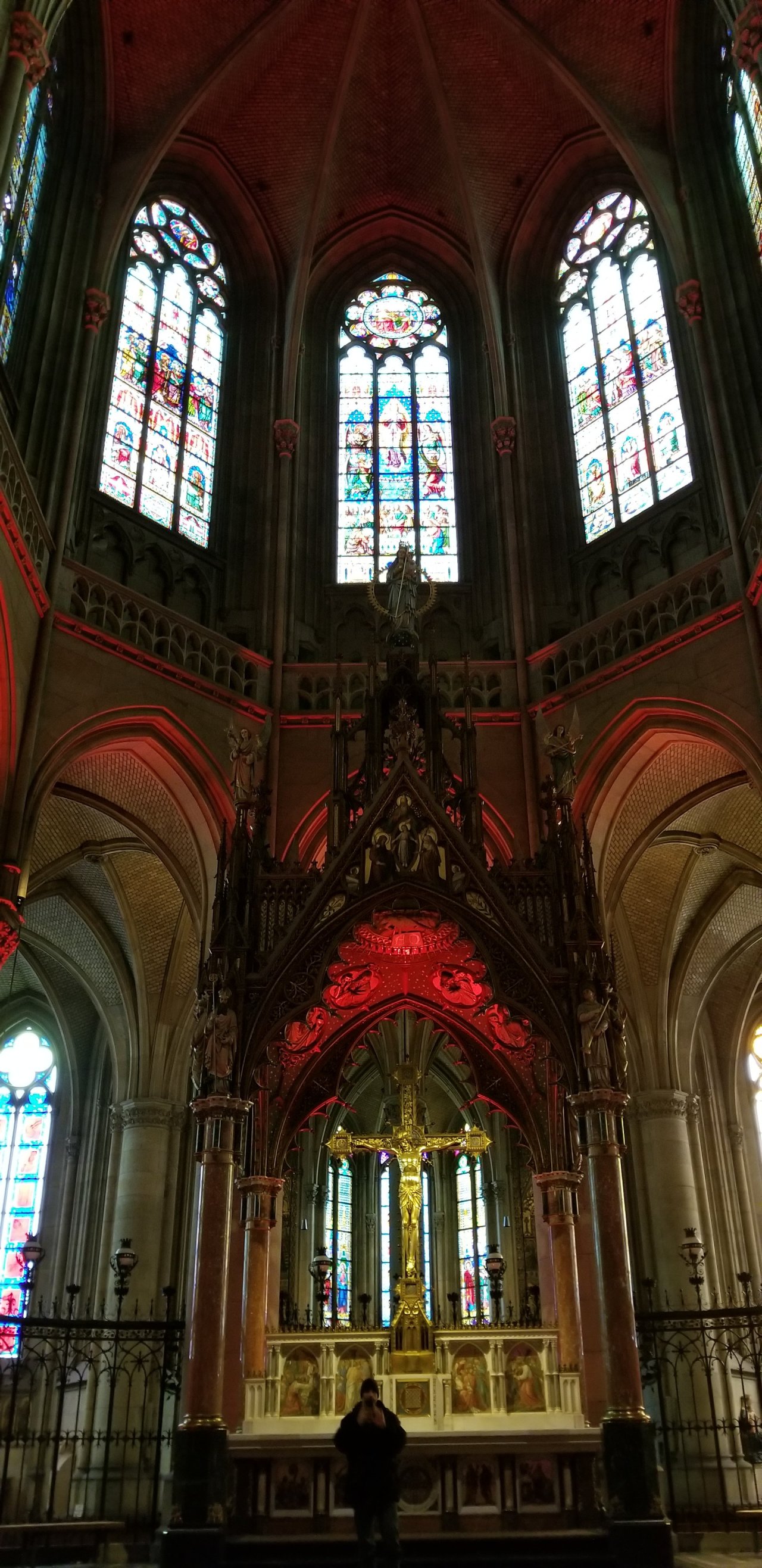
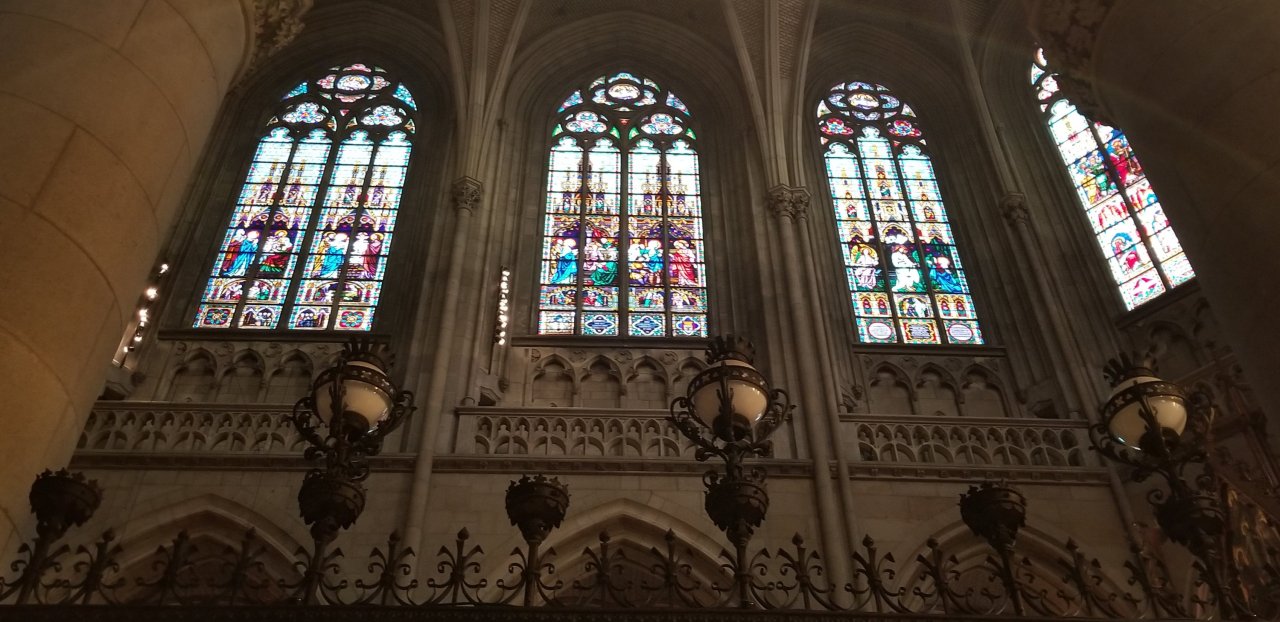
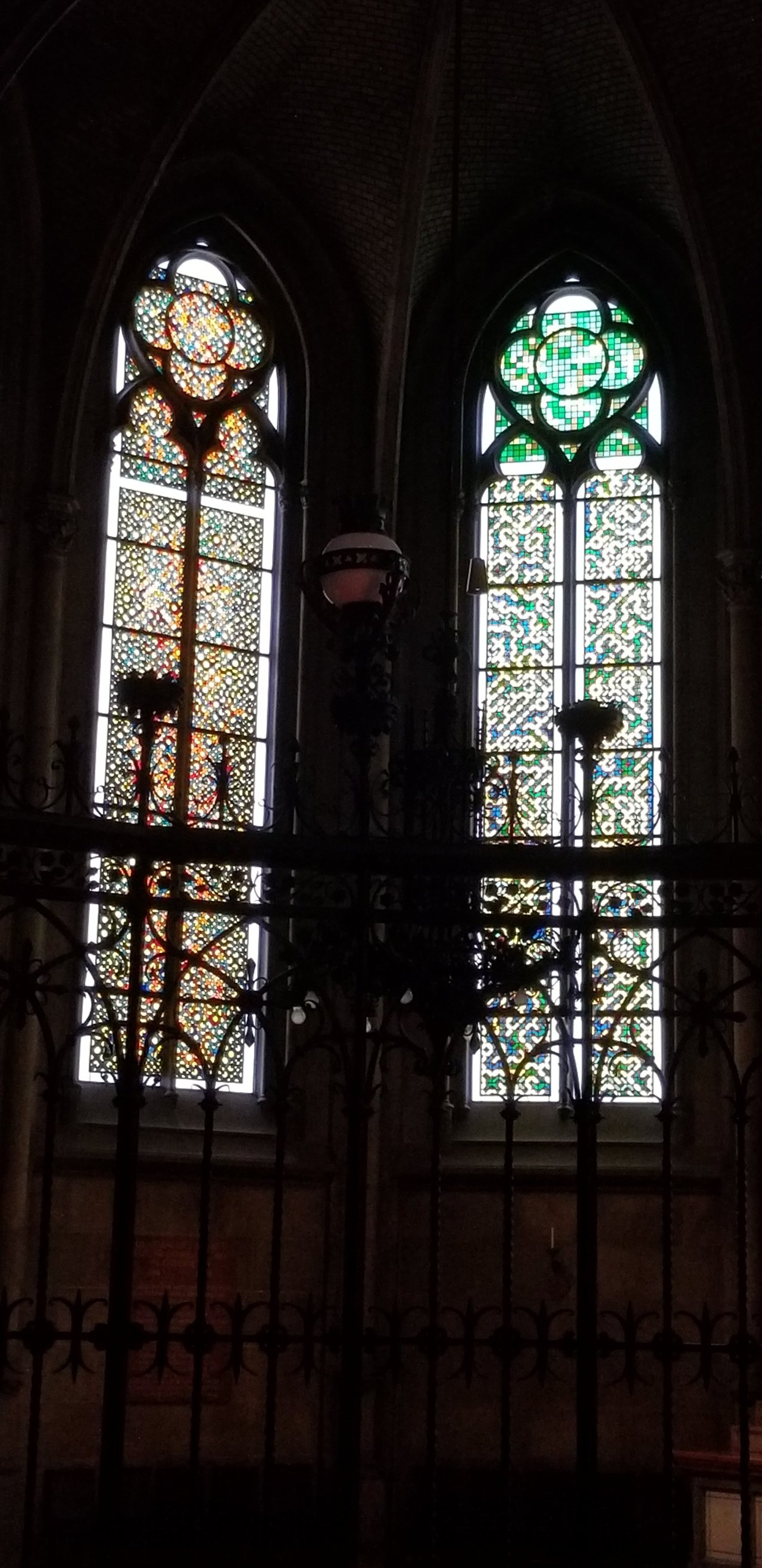
This area is dominated by the massive Mariendom, also called the New Cathedral, because it was completed in 1924. It’s the largest cathedral in Austria and freely open to the public so I went in for a look around. The grand lady’s somber exterior didn’t hint at the splendor inside.

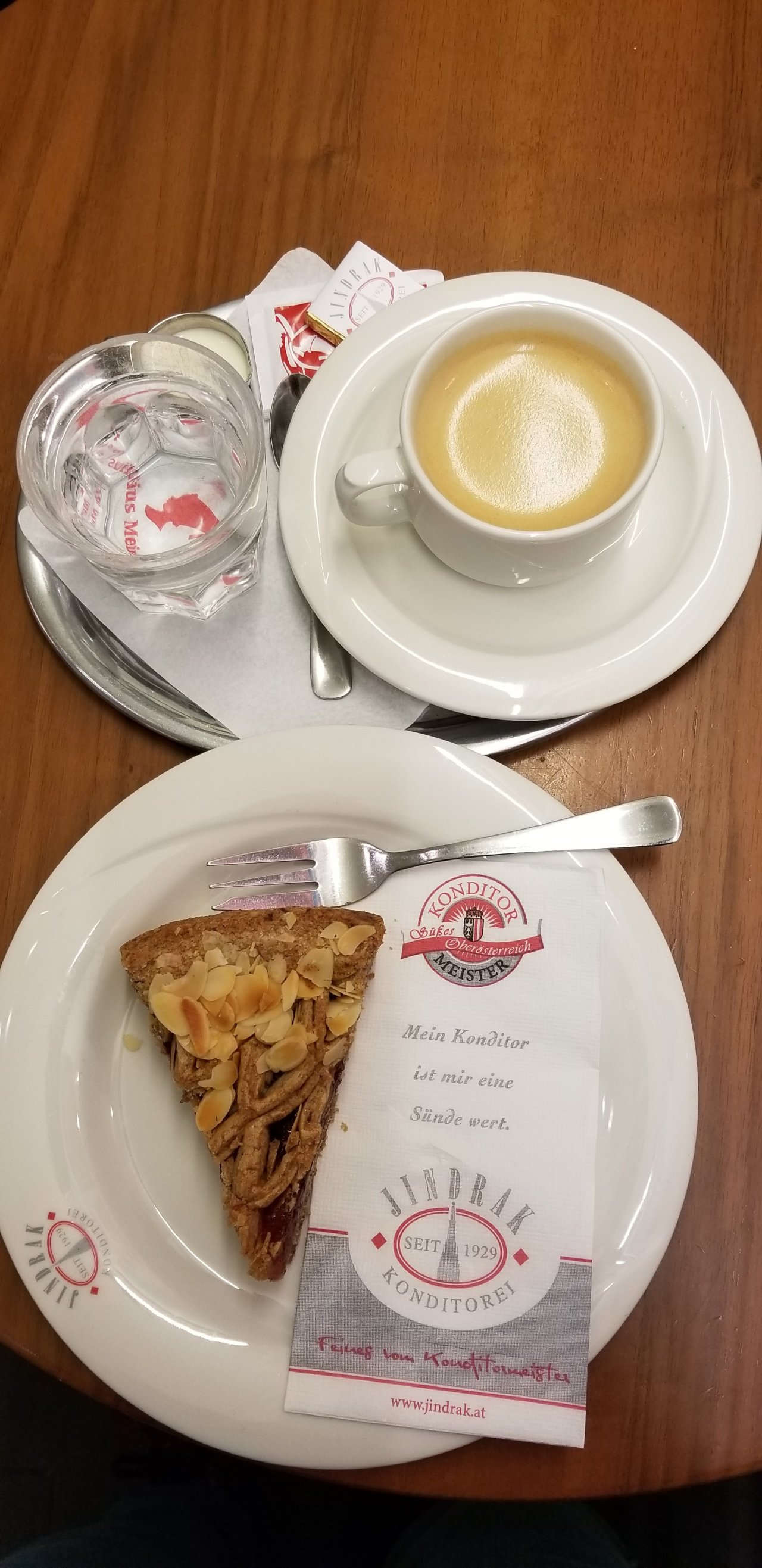
On my way back to the hotel, I ran across the Jindrak Cafe, home of the Linzertorte, said to be the oldest cake in Europe. I joined many locals who were also enjoying midafternoon cake, coffee and conversation.

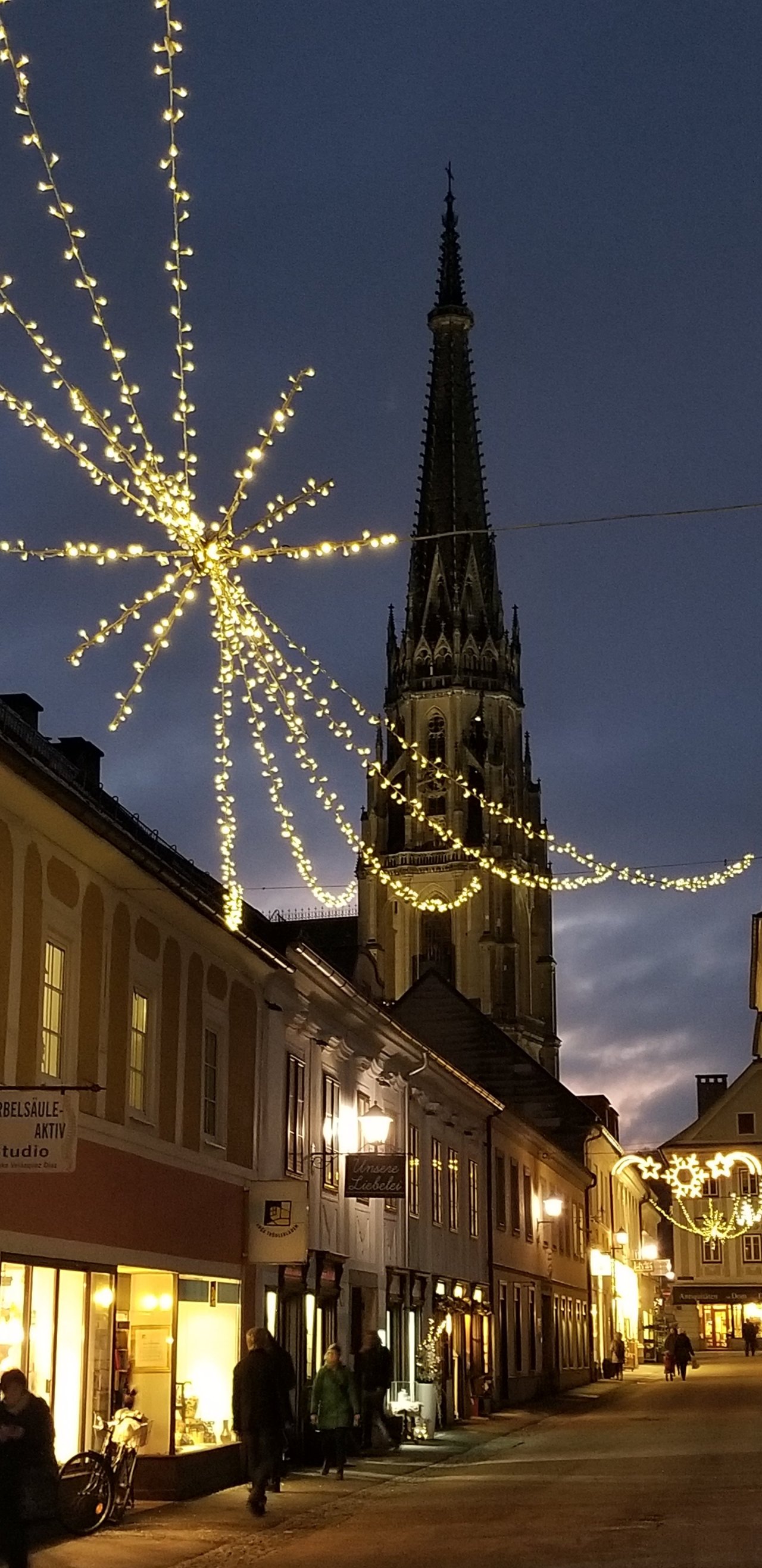
Not much later, as dusk fell, the Christmas lights winked on – over the streets, on balconies, and in the markets. Though not the grand display I had seen in Vienna, their simplicity, dignity, and occasional humor suited the low key vibe of Linz.

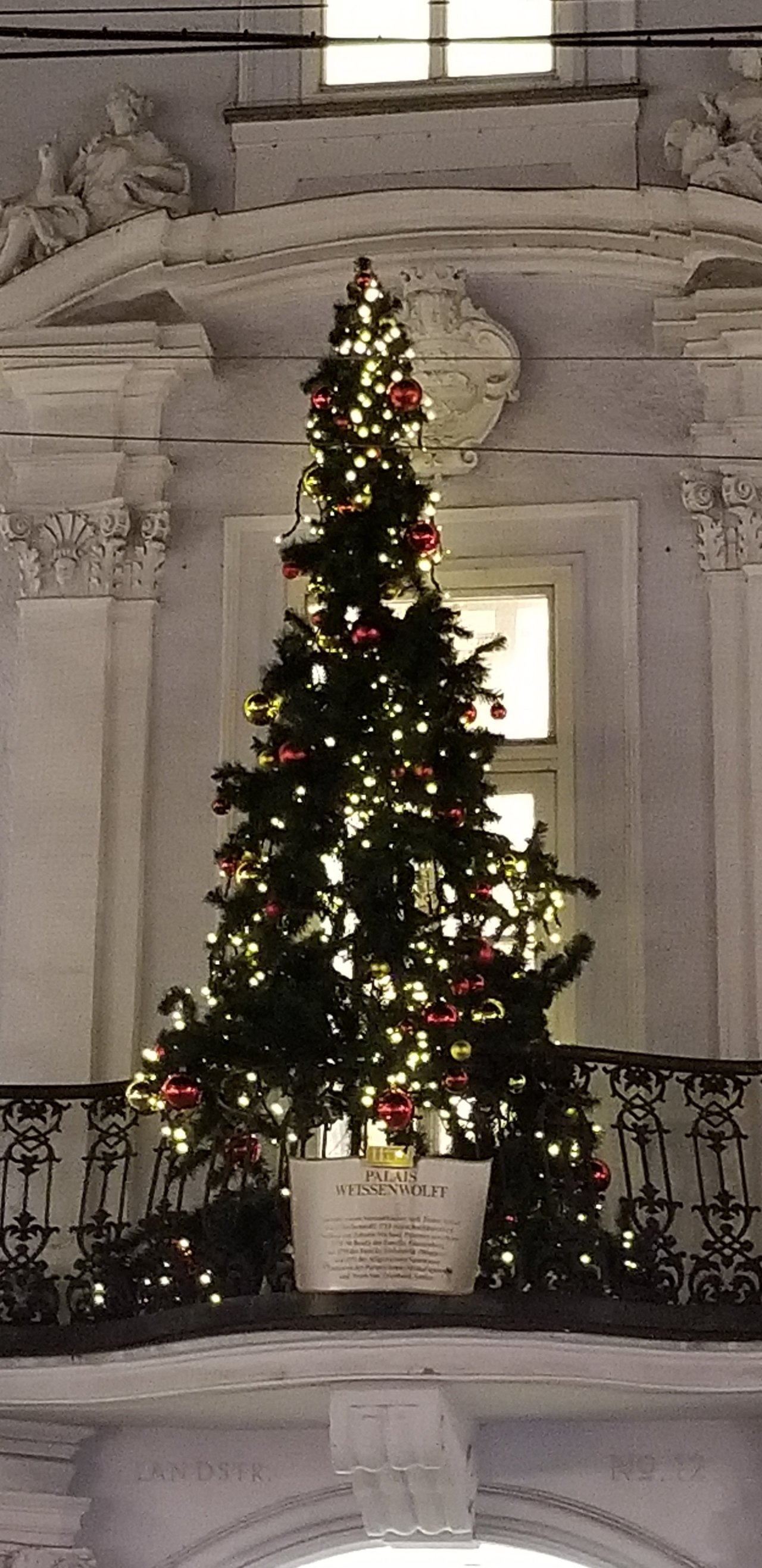
Palais Weissenwolff

Palais Weissenwolff

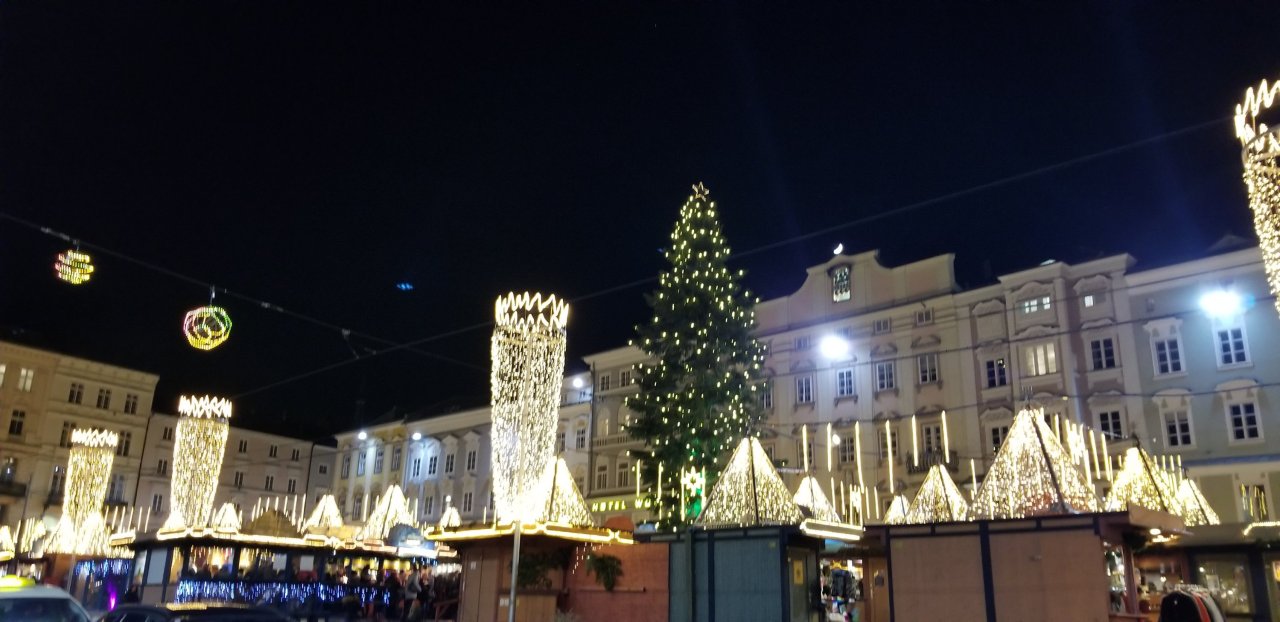
Christkindl market at Hauptplatz, Linz

Christkindl market at Hauptplatz

Yes, yes, I know. It’s Paris that officially claims this moniker.

But a stroll around Vienna’s downtown in December convinced me that the Imperial City could share Paris’ nickname, if only for the Christmas season.

Enjoy.

Hotel Sacher

St. Stephen’s Cathedral

St. Stephen’s Cathedral

Crowning glory off Graben

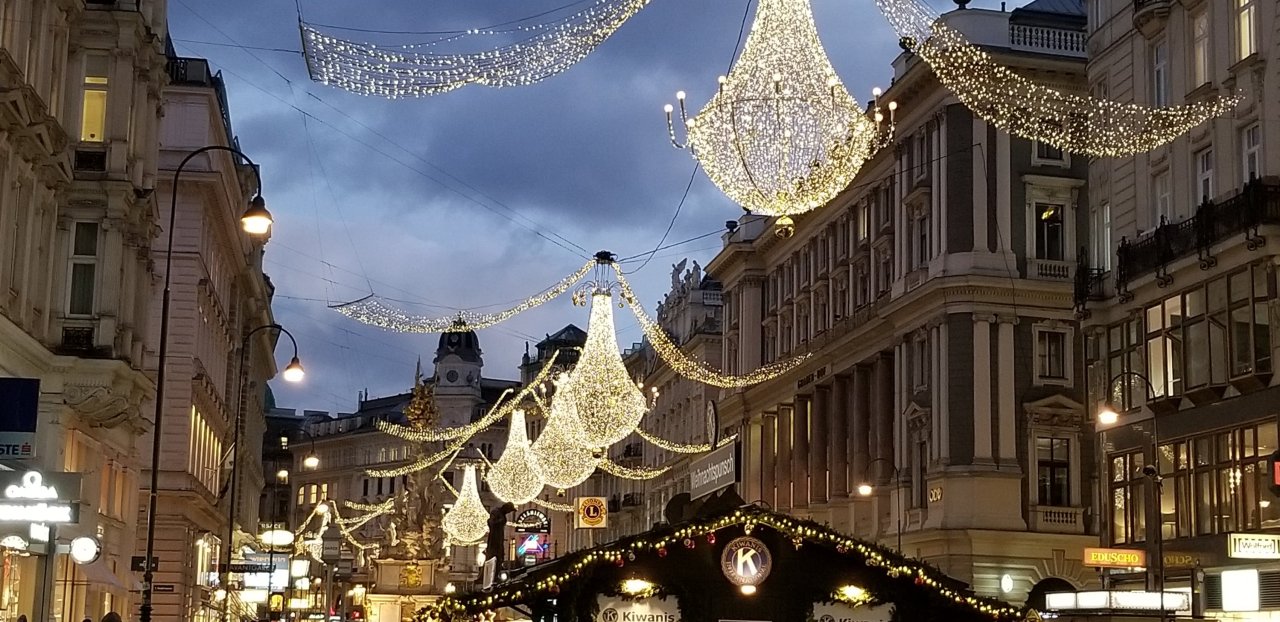
Chandeliers line the Graben

Kohlmarkt sparkles

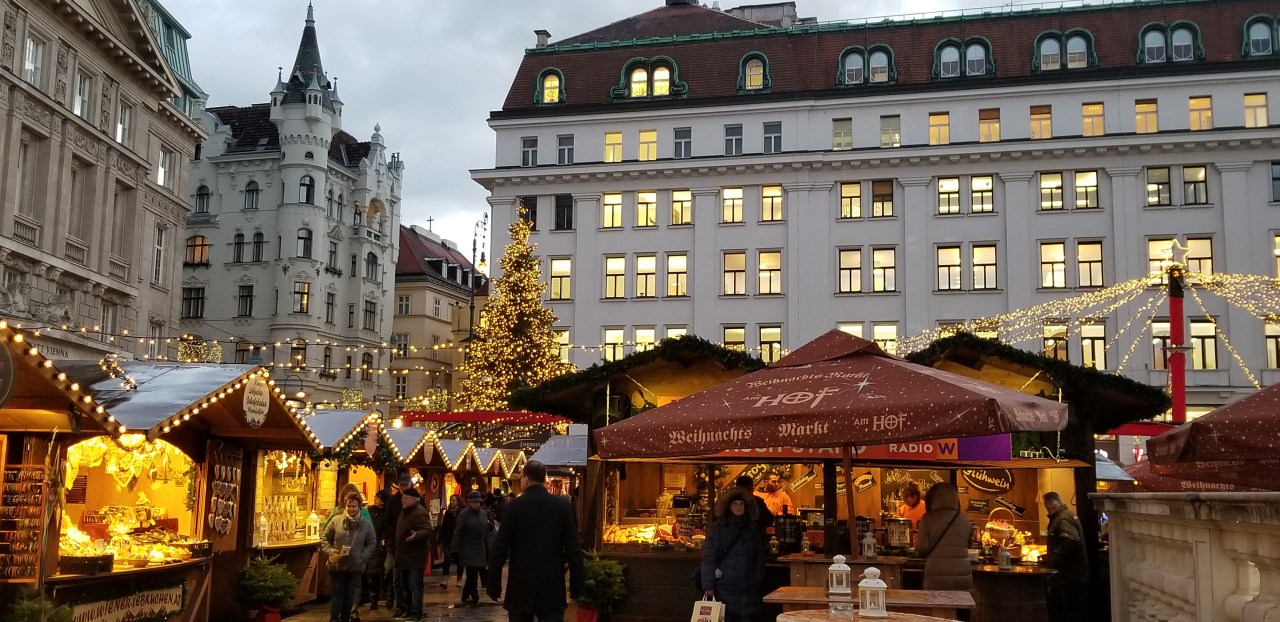
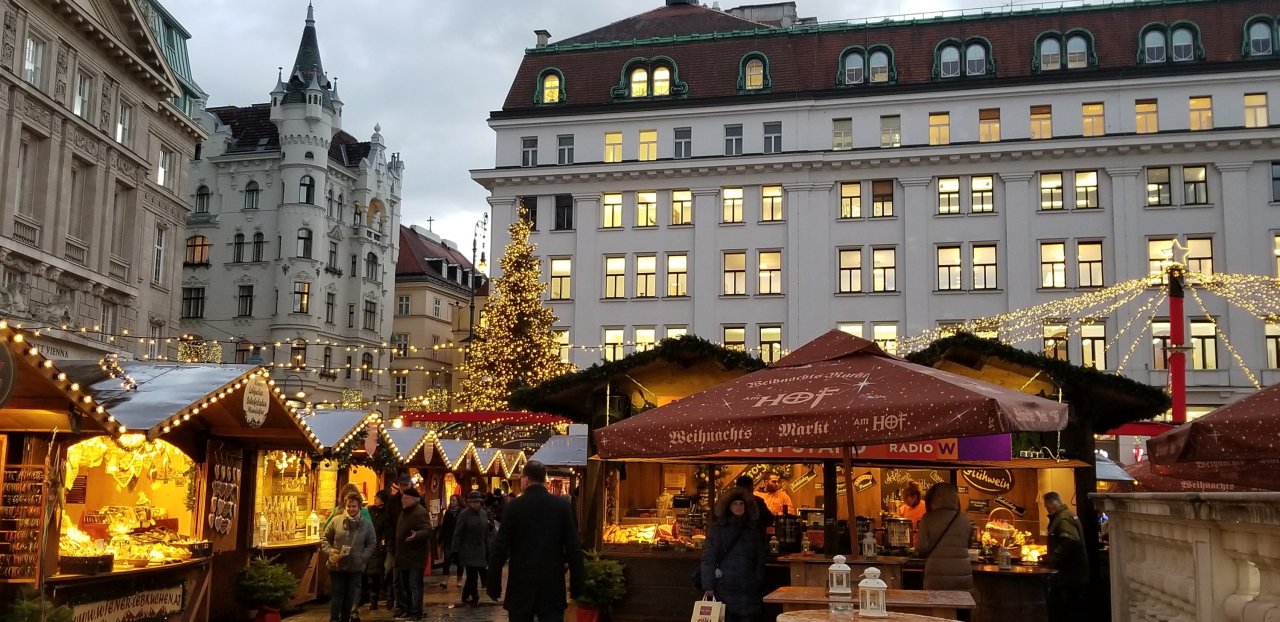
Amhof market

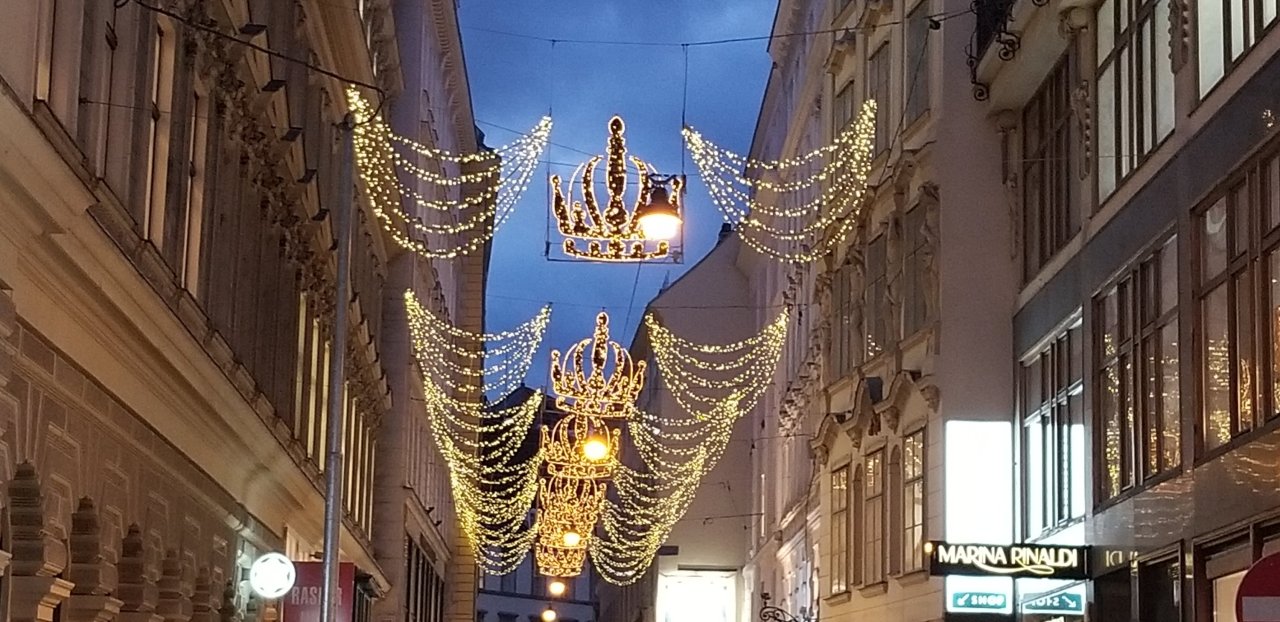
Side street light show

Noted side street off Graben

Popp and Kretschmer store all wrapped up

If it hadn’t been pouring rain, if the wind hadn’t been lashing in my face as I left the hotel, if I hadn’t been on day two of a headcold, I would have walked the 20 minutes to meet my husband at the downtown schnitzel house.

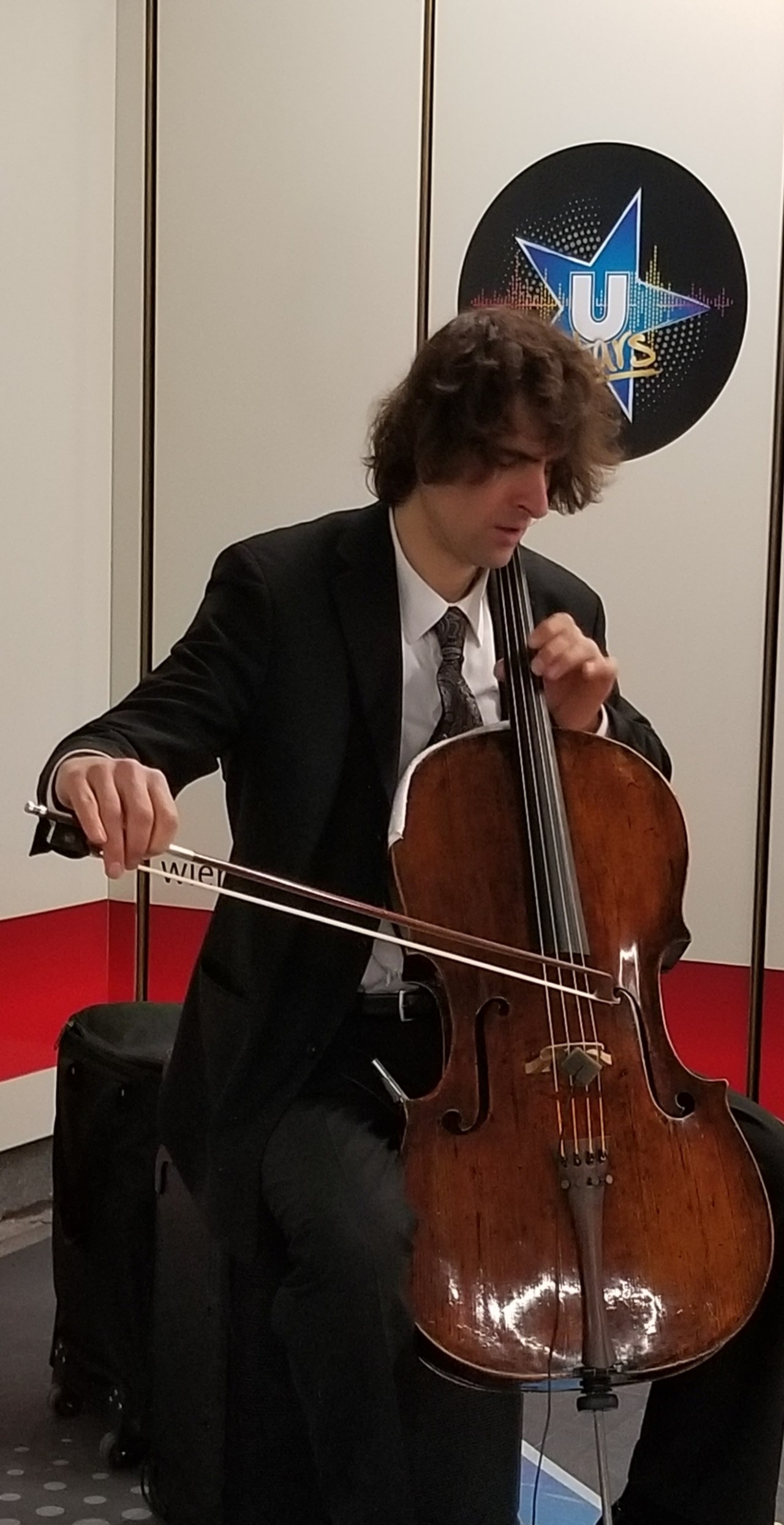
As it was, I rode two stops on Vienna’s Metro to St. Stephenplatz. As I was hustling through the station, hauling my phone out of my purse to see how to get to the restaurant, I heard classical music, which I assumed was recorded. But this is Vienna. In a corner of the station, wearing a black suit, white shirt and tie, sat a cellist, his unruly dark hair hiding his face as he played.

I went over for a listen, joining a diverse and steadily changing audience – tourists taking videos, little kids with a few euros for the cello case, students with backpacks, elderly men in raincoats and hats.The way the cellist leaned lovingly into the strings and the achingly beautiful notes provided each of us with respite from the weather and the stressors of our days, connecting us, however briefly, to the best of ourselves and each other.

Visiting European Christmas markets has long been on my travel bucket list. And Vienna is a great place to check that item off the list. The ancestors of the current markets have been around since 1298, so the Viennese have had a long time to get the concept right. Now, there are more than 20 to visit, keeping the most diehard among us merrily shop-shop-shopping and gluhweining to our Christmas hearts’ content.

What I didn’t realize until we got here was how different each of these markets were. The four that I had the time to visit varied widely in size, setting, popularity and the type of products you could buy, so some delighted me more than others.

1) The market on Stephenplatz: Standing under the protection of the towering St. Stephen’s Cathedral in the heart of downtown Vienna, this smallish market was packed when we visited on Saturday, so full it was hard to get near the 40 or so booths. Sign-carrying guides from river cruises and bus tours herded around passengers clutching souvenir Christmas mugs of gluhwein, and aggressive hawkers on the plaza did their best to interest people in buying tickets for the church’s concerts. We hastily retreated from the crowds that day, but returned on a weekday evening just as the sun was setting and enjoyed ourselves much more.

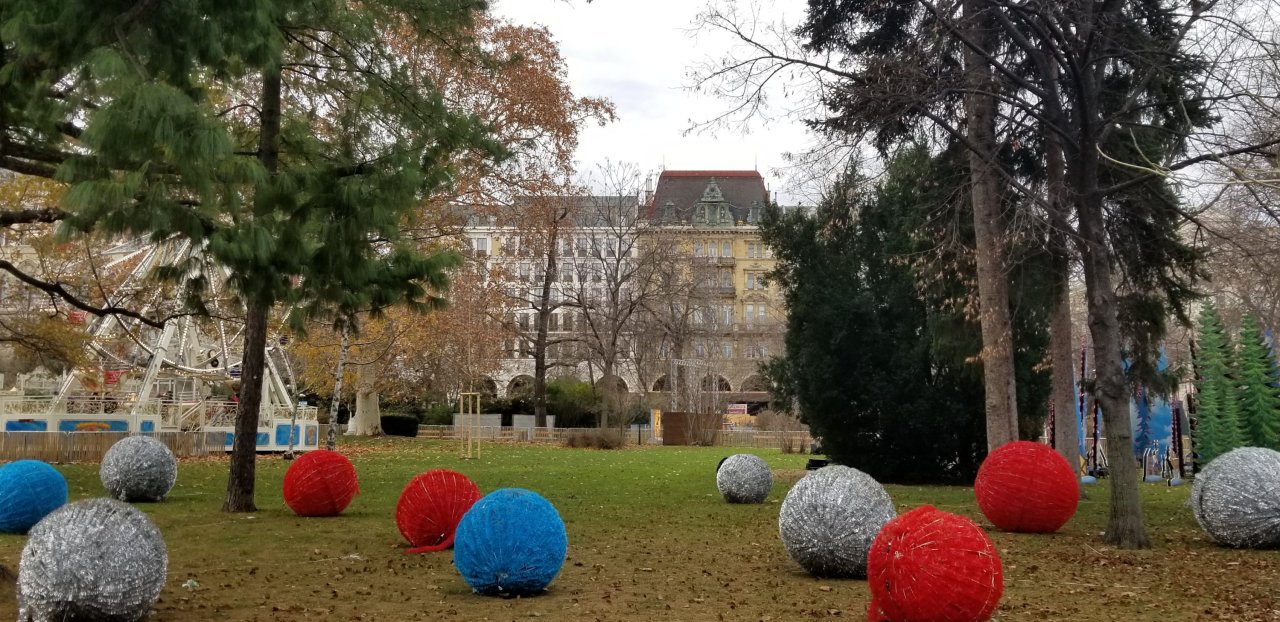
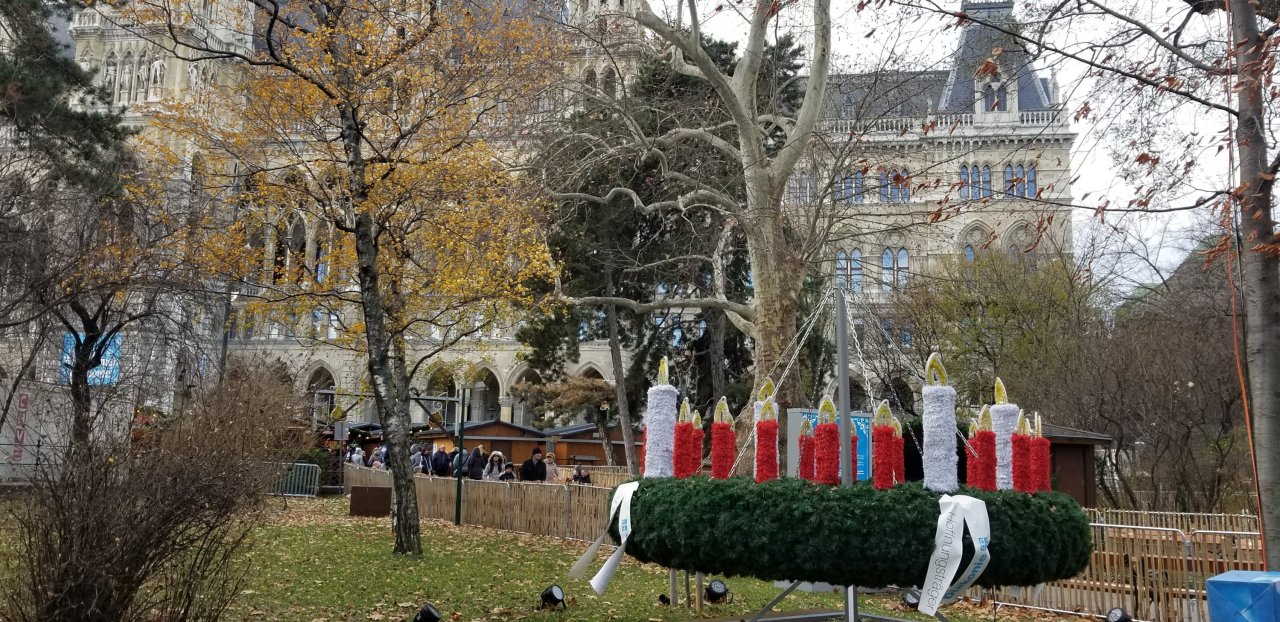
2) The Christkindl Market at Rathausplatz: This is Vienna’s biggest and busiest Christmas market with estimates that more than 3.5 million people visit in the 5 weeks it’s open. We visited on a Sunday afternoon, and once again the crowds detracted from our experience. I was also a little surprised by the number of commercial goods for sale, rather than handcrafted items. But I enjoyed the backdrop of the town hall, and the displays in the park surrounding the market.

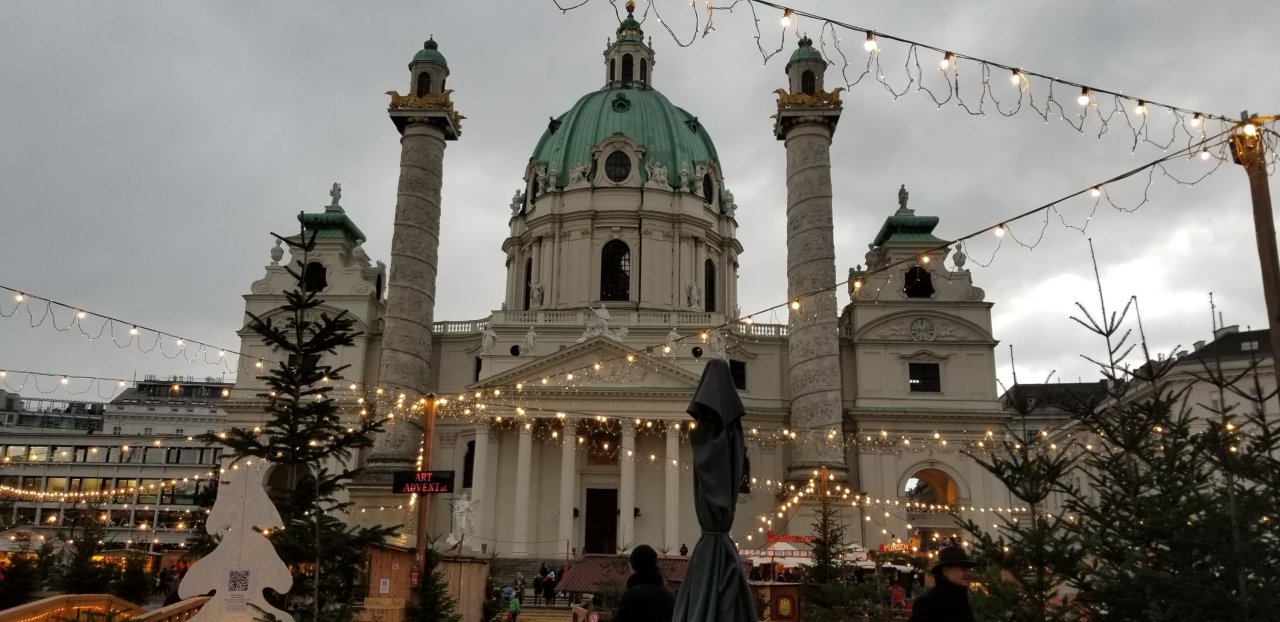
3) By Monday, I was starting to feel slightly disillusioned by Christmas markets. Were they all jampacked with people and commercial goods? Luckily, tapping into the local knowledge of a few Viennese bloggers saved my experience and reassured me that the type of Christmas market I was looking for did exist. Highly recommended on a couple of blogger lists was the market on Karlsplatz, also called the Art Advent market. Here, all the goods were made by the sellers and jury-judged for quality. When we visited on a Monday afternoon, the shoppers seemed to mostly be locals and there was a relaxed, friendly vibe under a few simple Christmas lights.

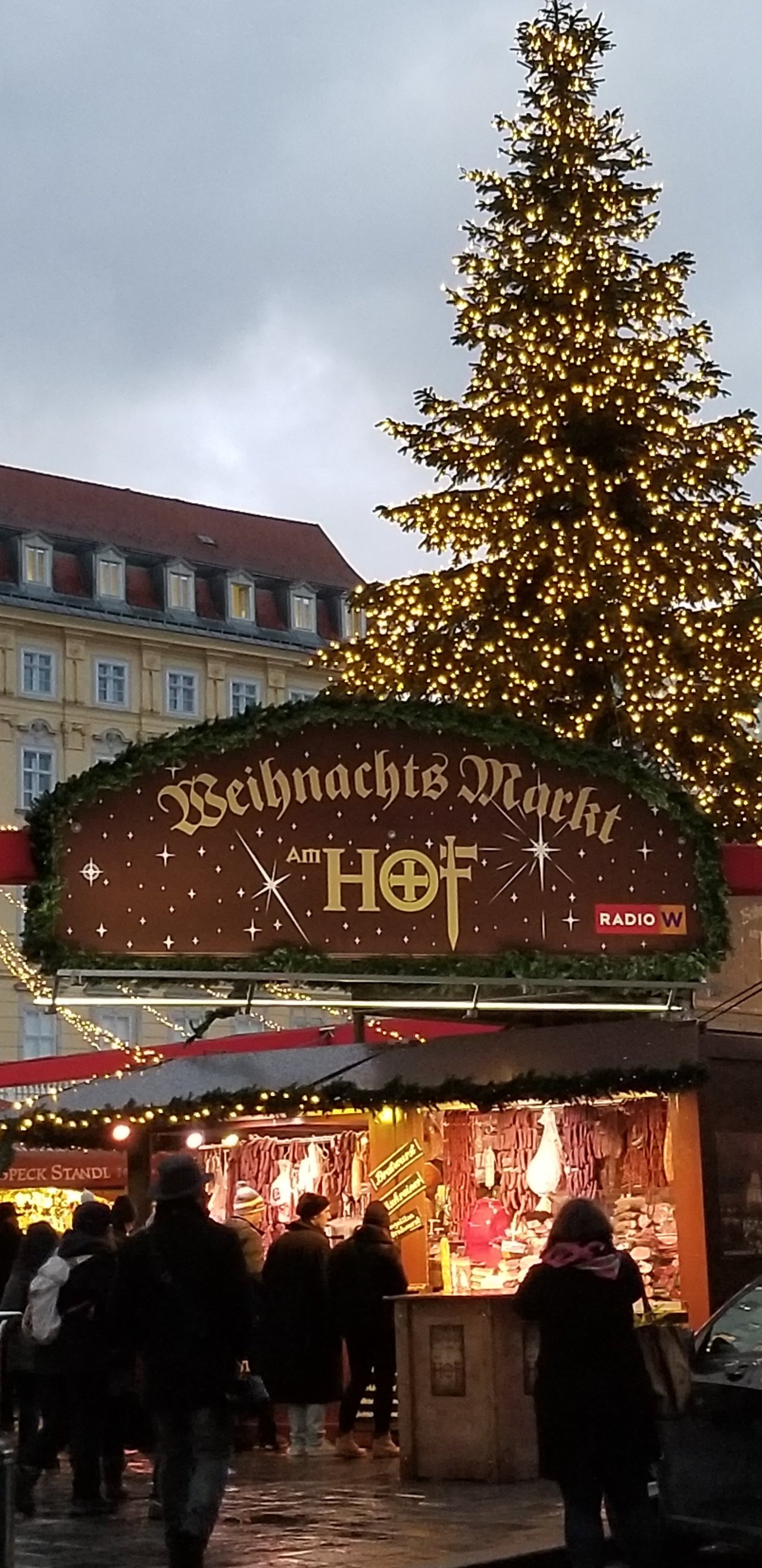
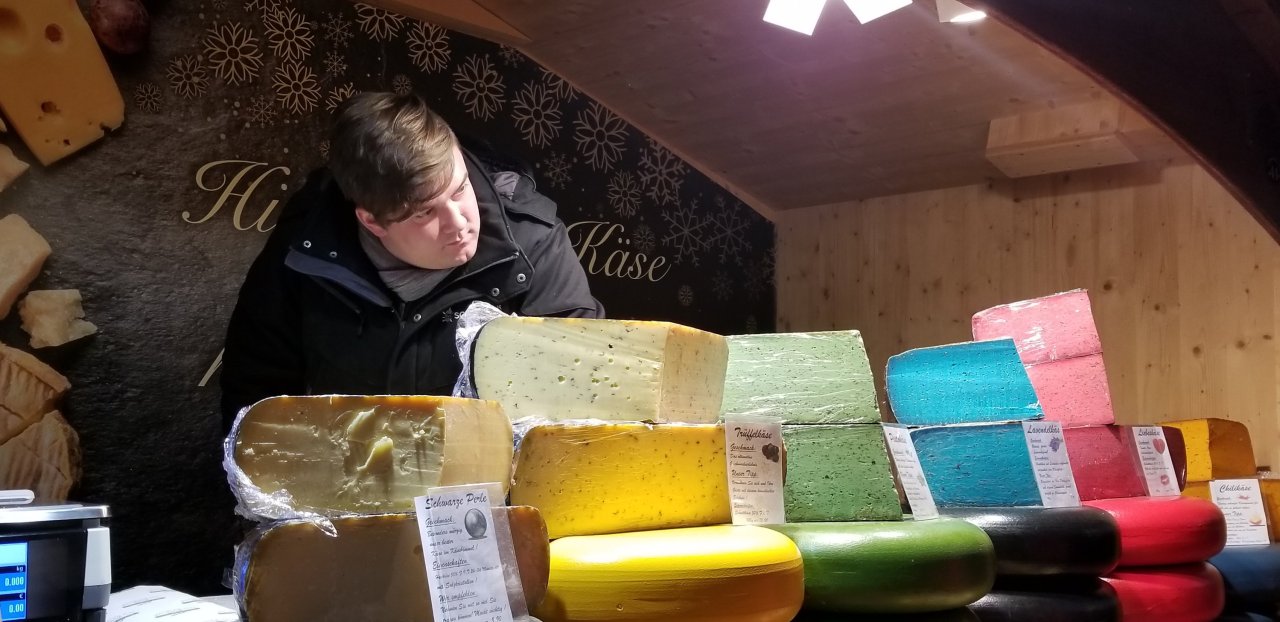
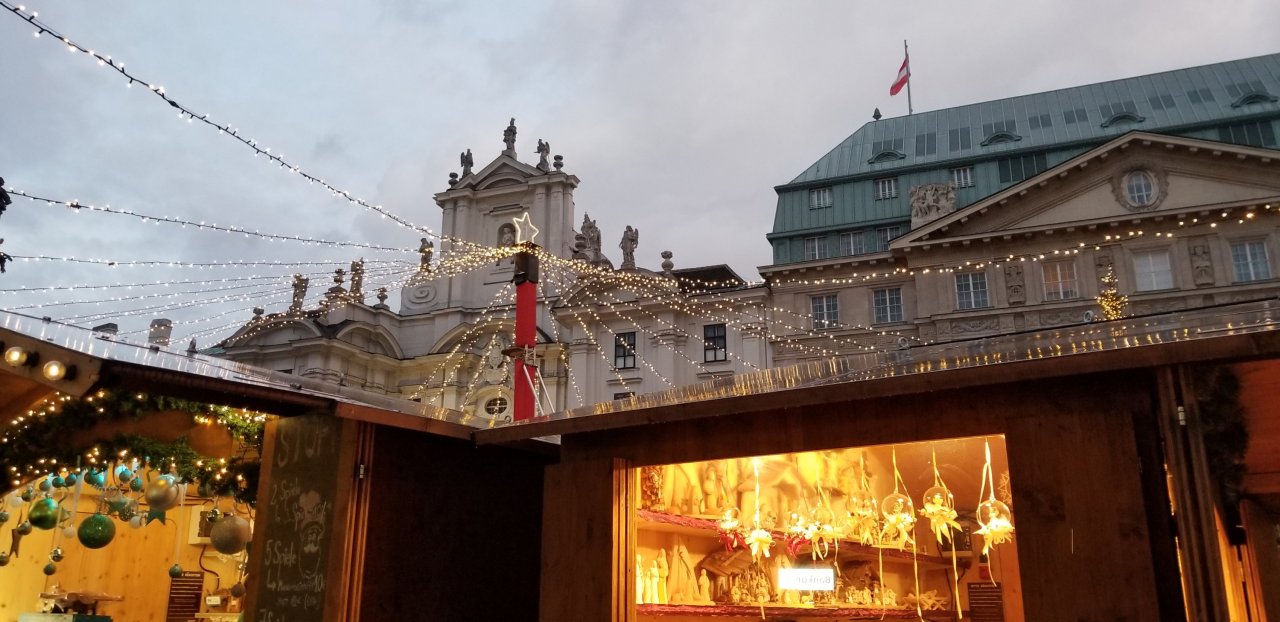
4) My favorite of the markets we visited was the cozy Markt Am Hof. Tucked away in a square near the downtown pedestrian walkways, we visited at dusk when most of the patrons seemed to be Viennese who’d dropped in for a drink and a nosh on their way home from work. Once again, the goods at this market are juried, and the smaller number of booths featured high quality food items as well.As the sun set behind the surrounding historic buildings, including the one where Mozart gave his first concert, I felt as though I’d finally found the Christmas market of my dreams.

Hints for visiting Viennese Christmas markets:

1. If you dislike crowds, try not to visit the most popular ones on the weekend.

2. Keep in mind that not all the products for sale are handmade.

3. The best photo ops are at dusk.

3. For local knowledge about the quieter or more authentic markets, tap into blogs such as Visiting Vienna, Vienna Unwrapped, and Vienna Wurstelstand.

When I started to plan the Vienna leg of our December trip to Austria – with visions of Christmas markets and gluhwein and long afternoons in coffee houses dancing in my head – I initially turned to the appropriate sections of the two guide books my husband had bought – Eyewitness Austria and Rick Steves’ Vienna, Salzburg and Tirol.

Both were disappointing. Although the Eyewitness book had some great photos, it was voiceless: I had no idea who wrote the words or what sights they’d recommend over others and why. Rick Steves had those aspects covered and gave an ok overview of some of the sights, but his is an American lens. Neither guide discussed Vienna in December, which is when we planned to be there. Not only that, but they didn’t provide any local insight about visiting Vienna- descriptions and recommendations of neighborhood gems and up-to-date events that only a Viennese resident would know.

I knew there was an easy remedy to discovering this insider information: find the Viennese bloggers who were proud of their city and tap into their recommendations. Turns out there are lots of them, each happy to share through words and photos the hidden corners of their city with those of us looking for a unique winter experience in Wiens. Each of them writes in a different style, and their blogs reflect their individual interests in their city. Together, they were indispensable in helping me to plan a Viennese experience with an abundance of local flavor.

1. The Vienna Blog – Written by Greg Sideris, a Viennese marketing expert, this site is billed as a “luxury travel and lifestyle blog.” Greg blogs about all things Viennese and includes sumptuous photos of his home city. Although most of the blogs 8 consulted had posts about the city’s Christmas markets, his top 10 recommendations was the first to help me understand the differences between them. He also includes a helpful guide to their locations and opening hours.

2. Vienna Unwrapped – Although she doesn’t live there anymore, Barbara Cacao was a native of Vienna for 30 years and still visits regularly. The goal of her blog is to inspire and help independent travellers, and she’s got lots of posts that do both. One of my faves was where to eat on Christmas Eve because I had no idea where to start looking. The other recommended quality Viennese snack bars for those days when we’re not into spending a lot of time or money on eating.

Barbara is also the founder of a unique event called Vienna Coffeehouse Conversations, which matches international visitors with locals for interesting chats. Too bad we’ll be on our way to Linz when the next one happens, but I’ll try to go to the host coffee house as a way of showing support for this innovative idea.

3. Austrian Adaptation – Carly Hulls is an ex-pat Australian whose plans to travel and blog around the world were cut short when she stopped in Vienna, fell in love, and got married 8 months later. She started the blog as a way of helping herself adapt to her new country so hers is a unique perspective on what to see and do in Vienna. She too has an article on Christmas Eve dinners and her recommendation of the Greichenbeisl, Vienna’s oldest restaurant where she’s spent Christmas Eve with her family, led me to make a reservation there for us.

4.Visiting Vienna – Described as an “independent tourist and visitor info guide written by a local resident,” I can only assume that Mark Brownlow is the writer because he claims ownership of all the words and photos in fine print at the bottom of the site’s first page. (Note to Mark if he’s reading this: part of the fun of reading a blog is getting to know it’s writer, so maybe add an “About Me” to your site.) Anyway, Mark’s strong point is giving insider tips, which he does well on his page about Christmas in Vienna. I’ll be following his recommendations for where to see the lights, where to hear seasonal music, and how to say “Mein Bauch wird gleich platzen wenn ich noch ein Weihnachtskeks esse” (if I eat another Christmas biscuit, my stomach will explode).

5. Viennawurstelstand – Without a doubt my favorite of the sites, this whimsical, down-to-earth and often irreverent site is “the English-speaking magazine – Making the most out of Vienna and life.” Named for the iconic stands found all over the city where the Viennese chow down on sausages and local gossip, the blog was originally founded by three Viennese creatives, and now boasts a team of twelve international contributors. Their “Team” page features hilarious photos of each of them in creative poses with wurstel and their “About” page is a passionately written Manifesto that in itself makes the site worth visiting. The Wurstelstanders shine in keeping their posts crisp and quick paced, and have weekly recommendations for what to see and do during the particular days you’re in Vienna. I’ll for sure visit some of their recommended ten coffeehouses that have inspired Vienna’s greatest artists and writers, and try to remember their bite-sized pieces of etiquette for eating at a wurstel stand.


When I was a kid, the last thing I wanted to do on vacation was go to a museum. I had to leave behind the sunshine of a non-school day while my parents dragged me through a series of musty, dingily lit exhibits that were supposed to further my education. Stuffed owls with metal poles up their butts glared down at me from dusty shelves. Headless female mannequins modeled highnecked dresses. Row after row of glass cases held cracked pottery, arrowheads, and coins. Big deal.

Thankfully, museums have changed, and so have I. So on a recent day off work, I actually looked forward to checking out Edmonton’s newly reopened Royal Alberta Museum. Several years ago, it closed its doors at its less accessible west end location and reopened this fall in the downtown core. Its ticket prices and choices also make it available to a variety of visitors: one-day, two-day and annual passes; special prices for seniors and people with lower incomes; and free admission always for Indigenous people. After all, the museum sits on their traditional land and displays a lot of items that rightfully belong to them.

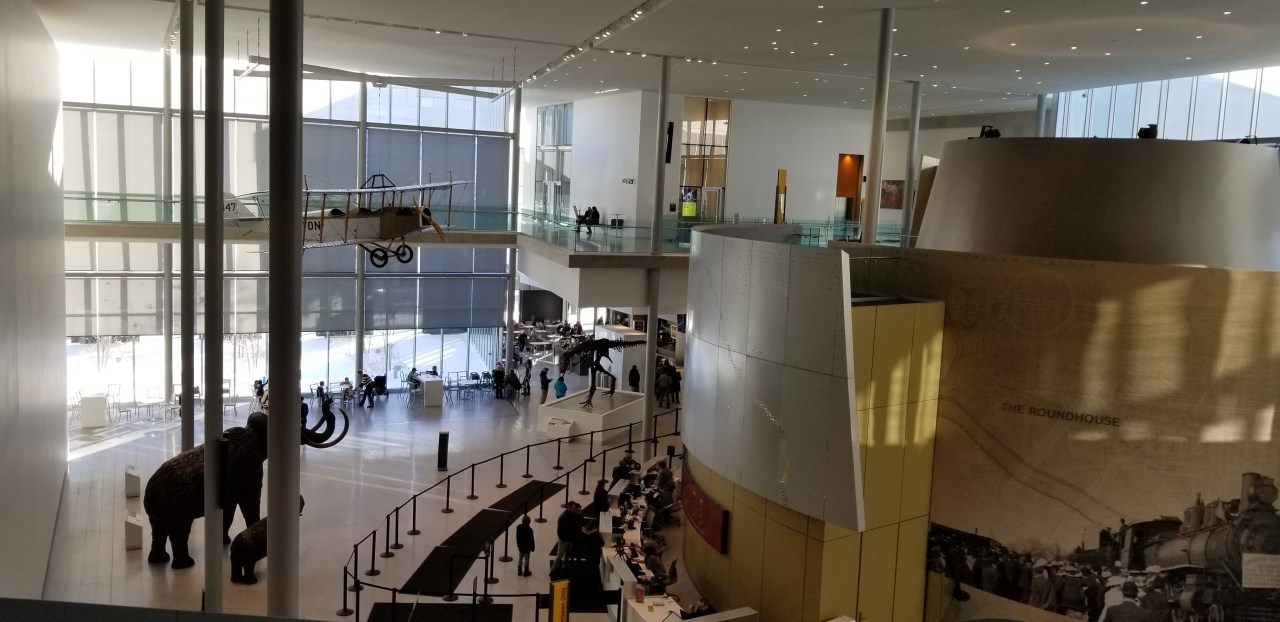
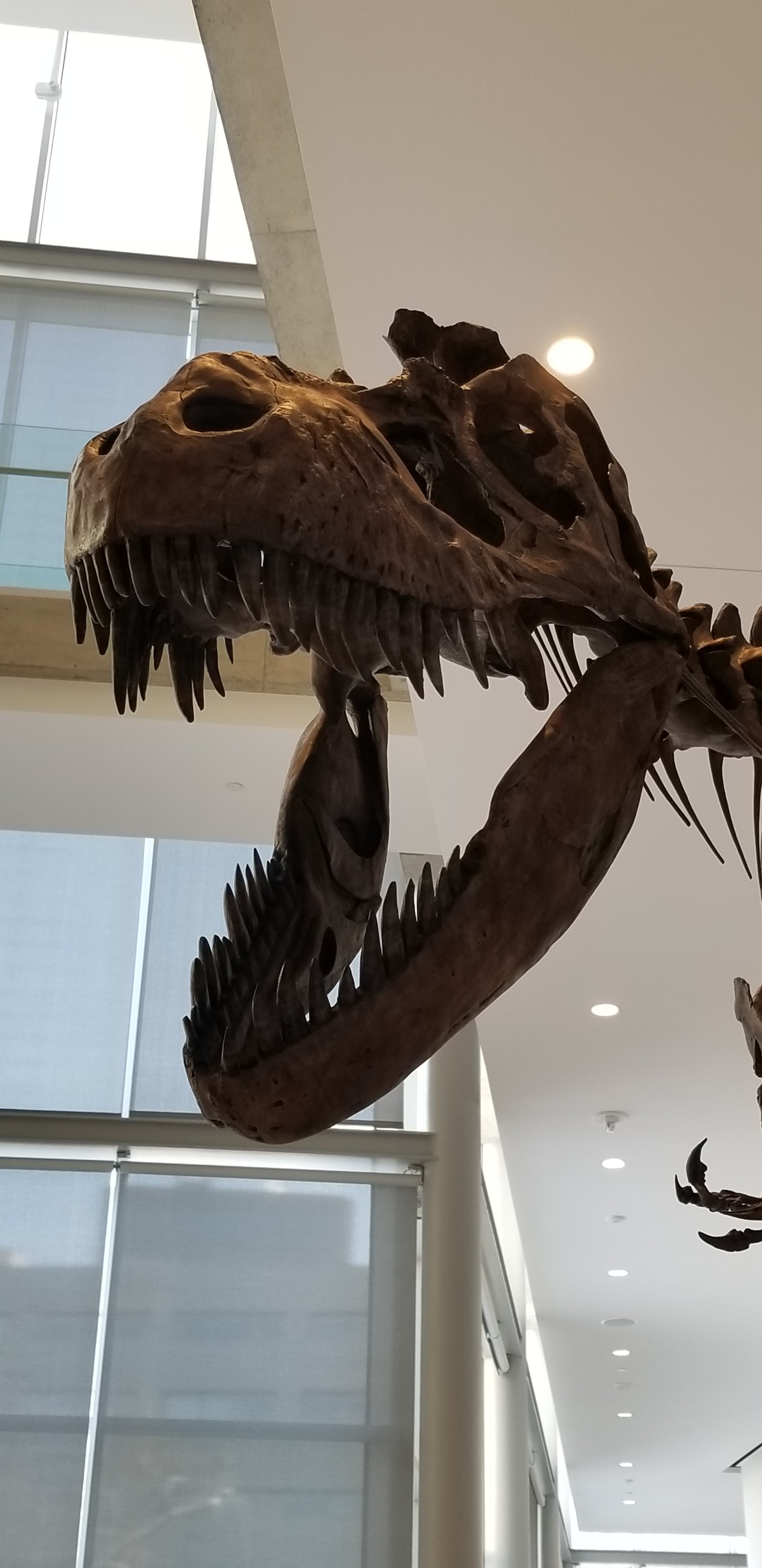
Since single admissions for adults cost $19, I bought an annual pass for $35. My eight- year-old self was aghast at this decision, but I knew I’d be back often during the next twelve months. As soon as I stepped inside the Museum’s doors, the lofty ceilings and light pouring in through the floor to ceiling windows made my spirit soar. Well ahead of the ticket booth, greeters welcomed me and handed me a floor map. Little visitors stared wide-eyed at open-mouthed dinosaur skeletons, the iconic mammoth sculptures, and a biplane suspended from the ceiling.
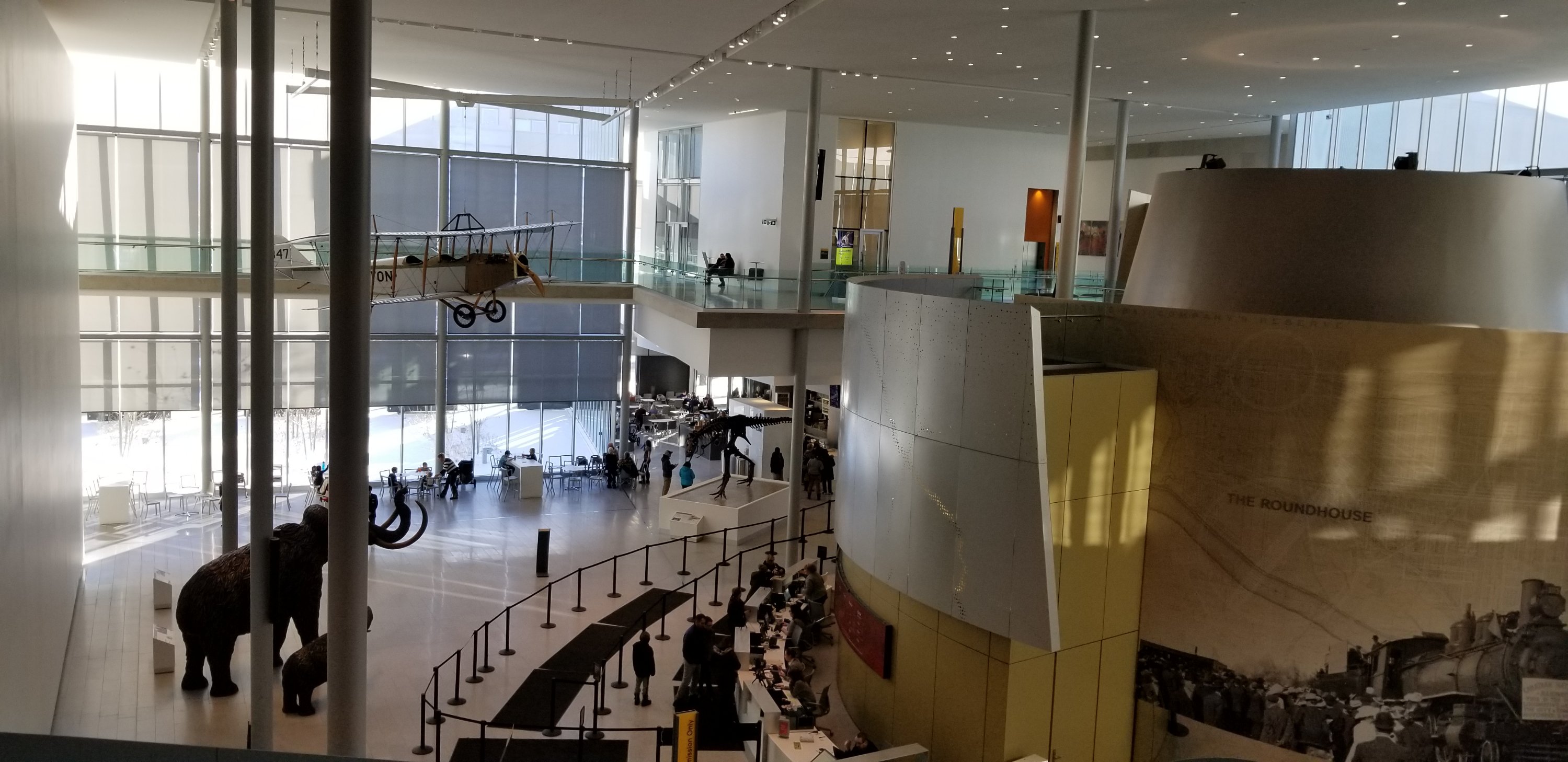
Buying the annual pass freed me up to explore a small portion of the museum in depth. I briefly considered concentrating on the insect room but it’s kept very warm and humid so I decided to save that for a day when I wasn’t wearing winter clothing. Eventually, I settled on the Ancestral Lands exhibit. Nothing like starting at the absolute beginning of Alberta’s history on this initial museum visit.

Alberta’s First People have roots that date back thousands of years. Their ancestors assisted the museum staff to bring their stories to life, in bite-sized, multimedia pieces designed to attract and keep the attention of a new generation of museum goers. At the push of a button, you can watch a film about medicine wheels or a stop action cartoon in which cave painting-esque figures hunt antelope on a floor level screen in the shape of a hand drum.
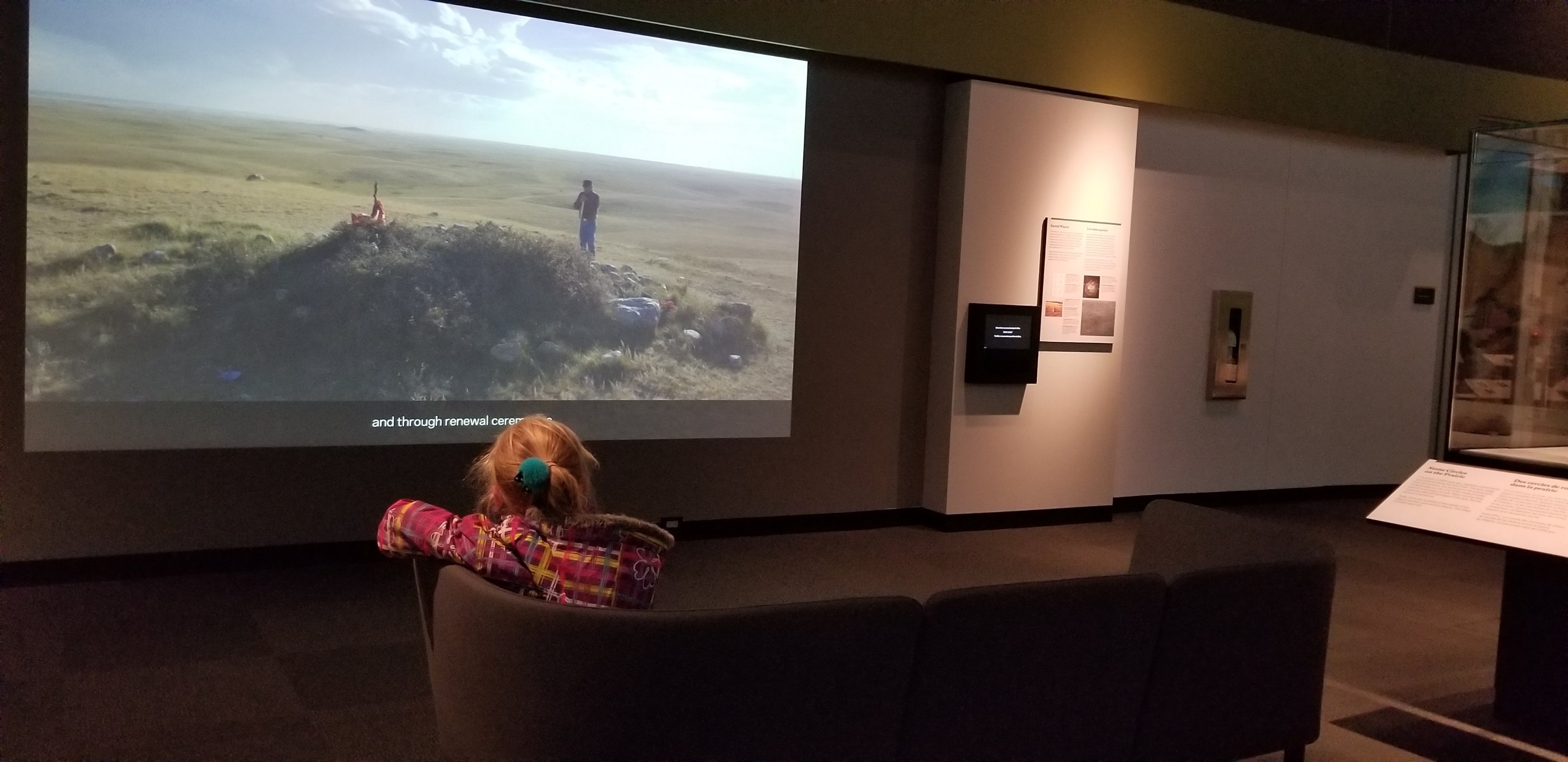
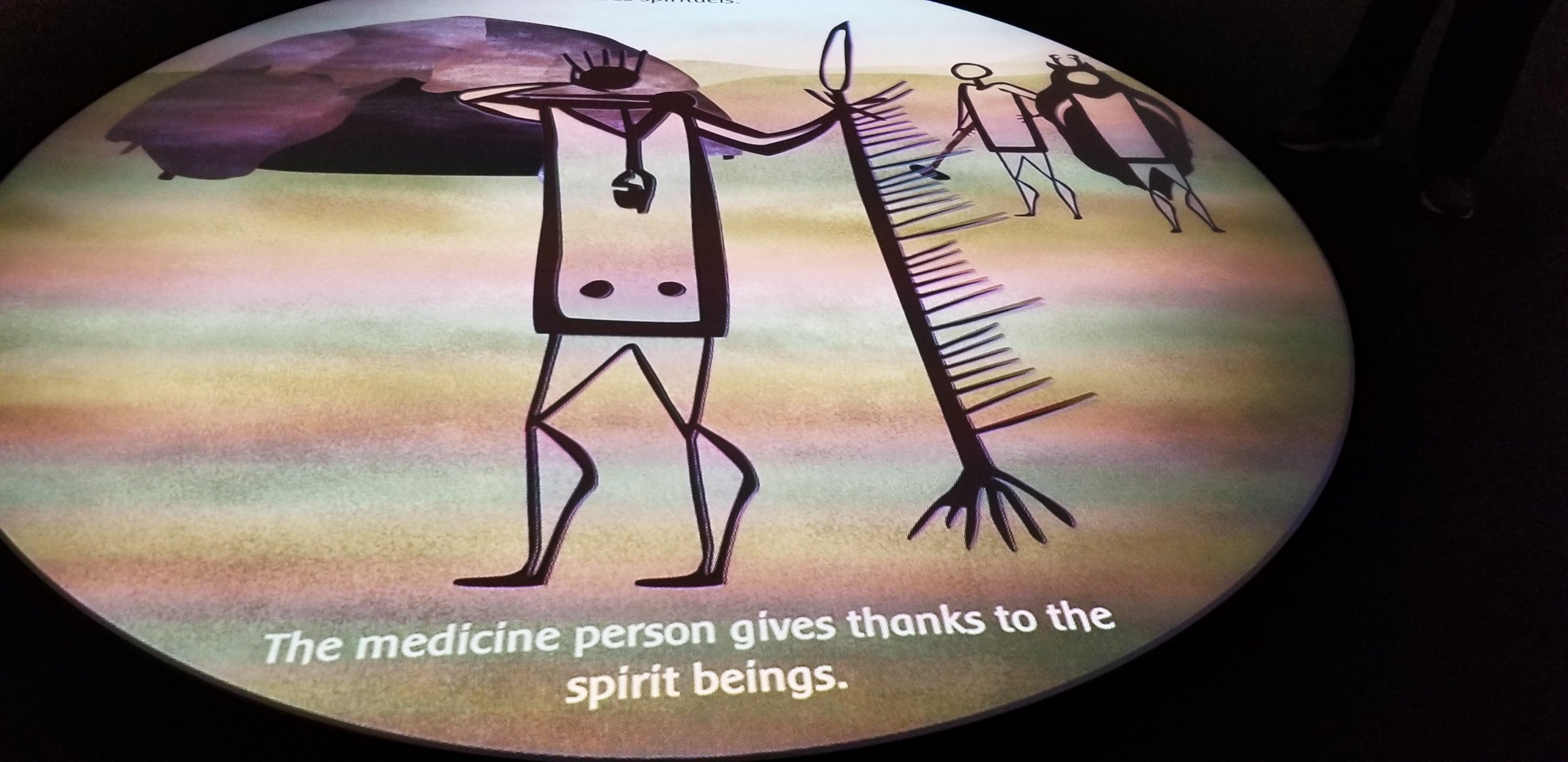
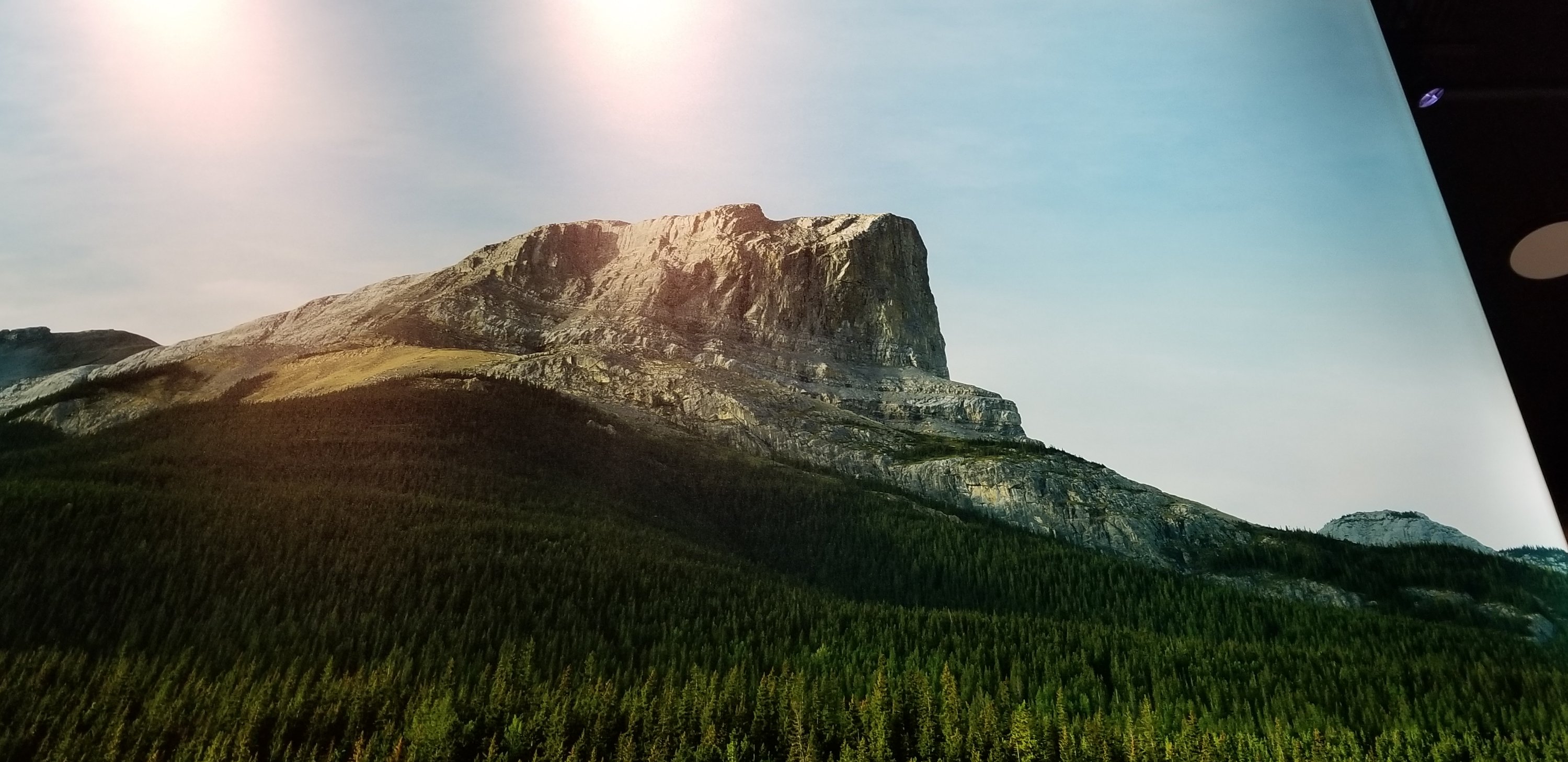
All around the room are huge backlit photos of natural places that hold special significance for Alberta’s First People. You can listen to elders tell the stories of these places in Cree, Blackfoot, Saulteaux and other Indigenous languages while you read along in the same language, in English, or in French. My favorite was the tale of the Old Woman Lying Down. Can you see her face, looking up at the sky?
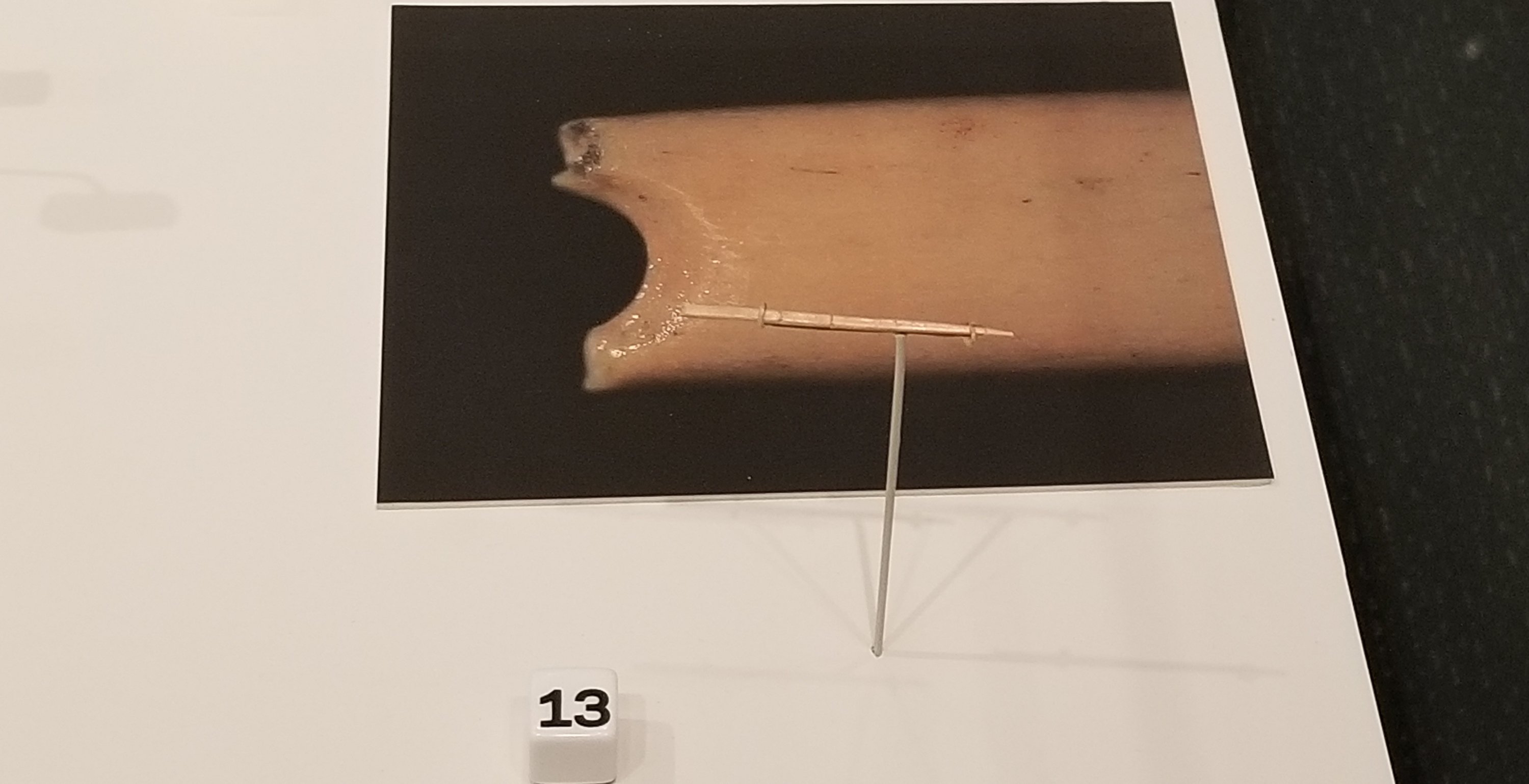
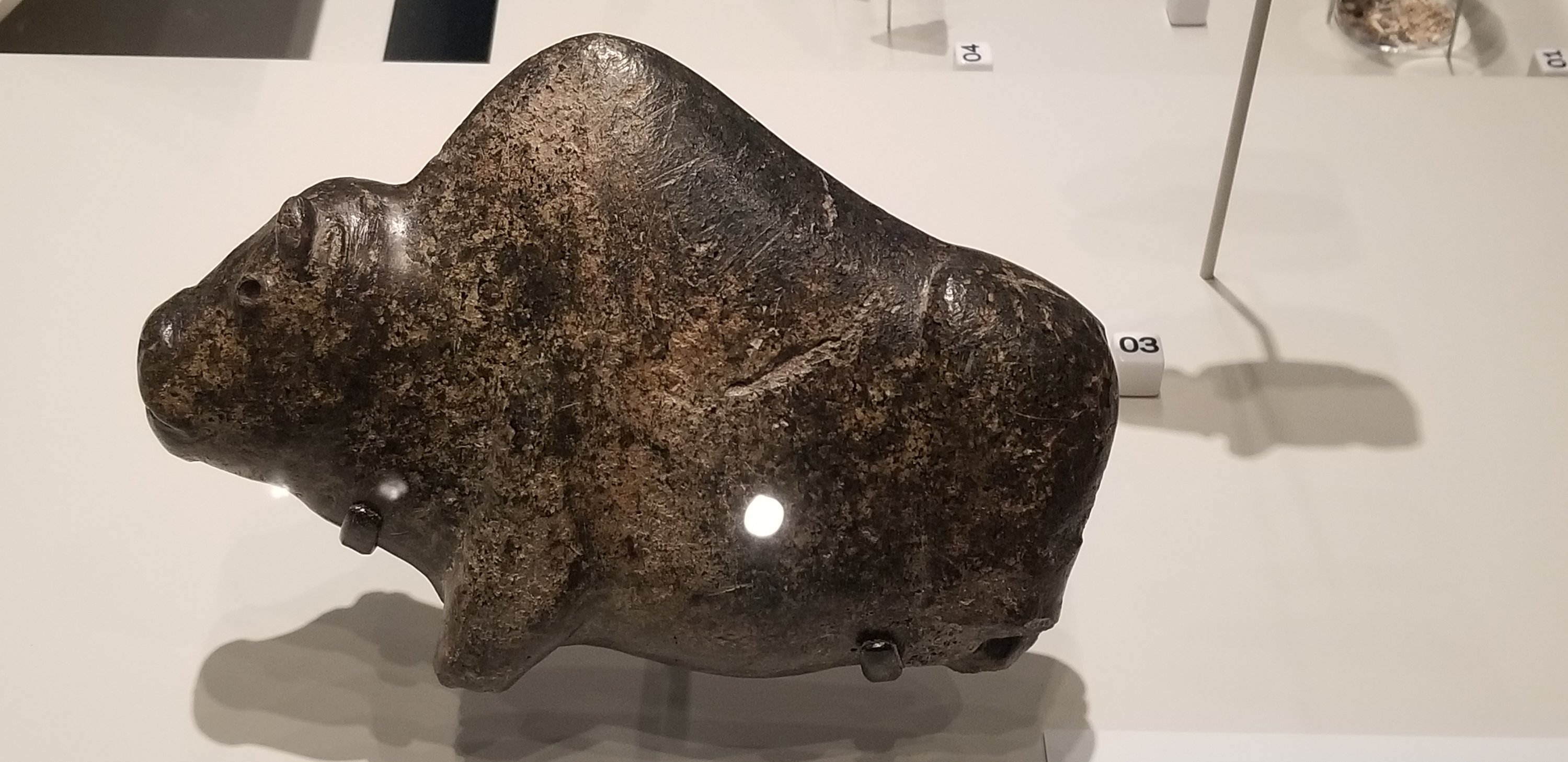
Of course, there are glass cases that hold artifacts which, for children, still might not be that interesting. But now that I have a bit more understanding of Indigenous culture, and the explanations include more than the dates and places where the items were found, my imagination was inspired by their mysteries. Who carved the buffalo? And where did he get the soapstone he used, which isn’t found in Alberta? Who took the time to whittle designs into the 4000-year-old bone bead? What sewing jobs did a woman accomplish 7000 years ago with her bone needle?
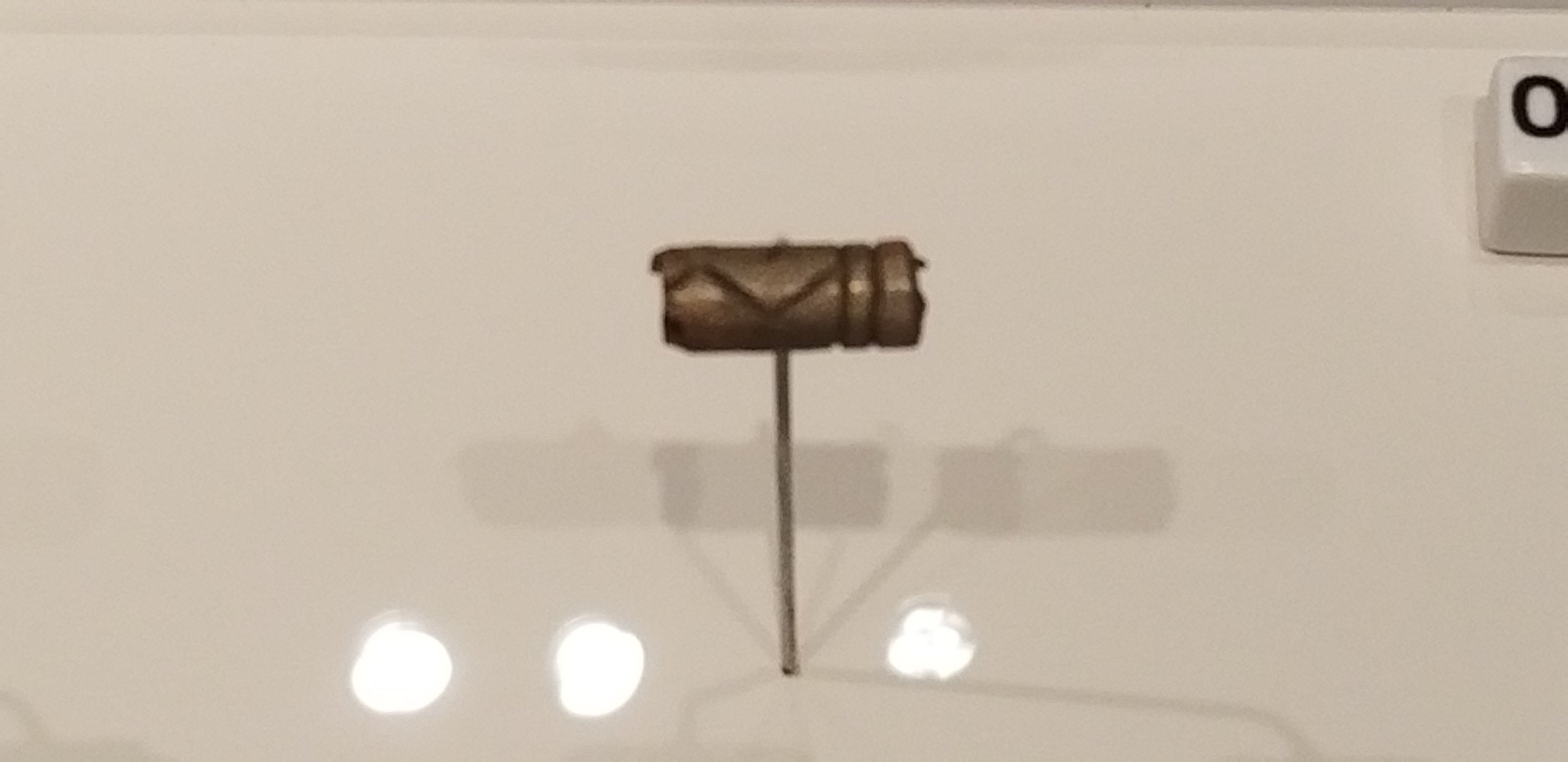
Ninety minutes later, I left the Ancestral Lands exhibit behind and did a bit of reconnaissance for my next visit. I’ve still got most of the human history and all of the natural history exhibits to explore. The special exhibits spaces were empty but promised displays in early 2019. Even the children’s activities looked like fun. The security guard at the door said. “Adults are welcome too. I play with all this stuff myself!”

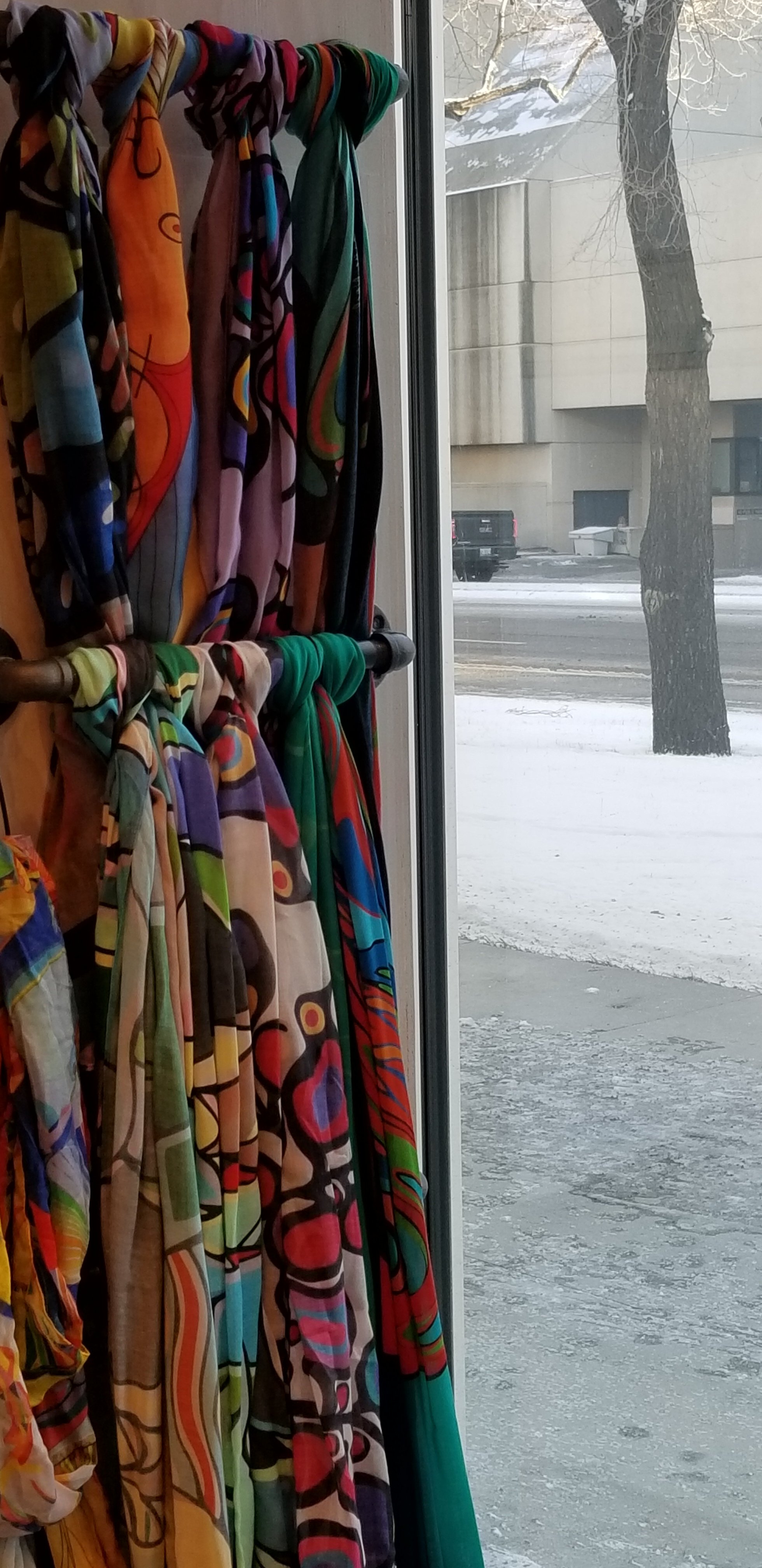
On my way out, I couldn’t resist a quick trip around the Museum Shop, not to buy (although my annual pass gets me a discount) but just to appreciate the variety of items and the artful way they’re displayed.

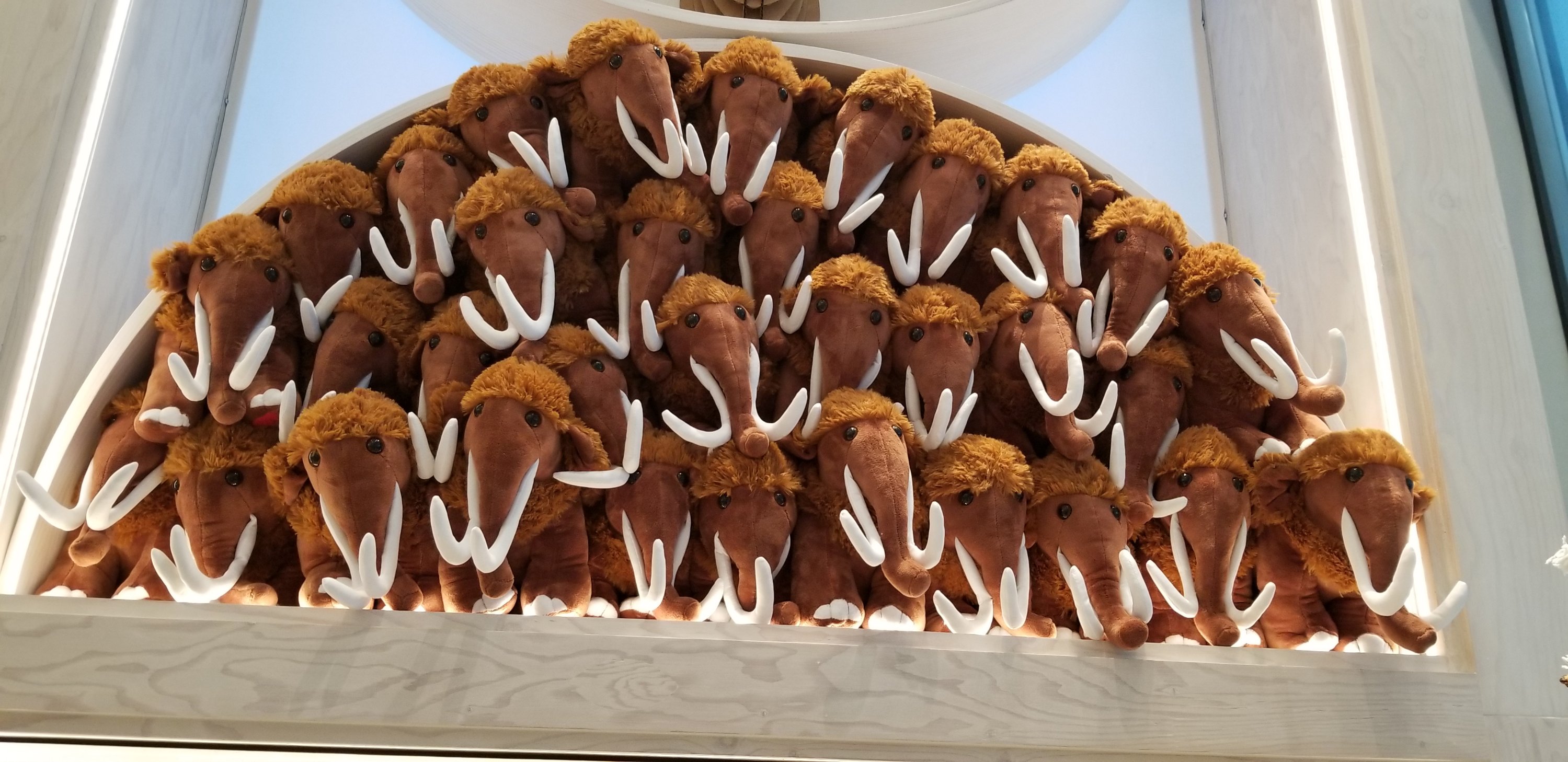
A few tips for your visit:

1) The annual pass is a steal of a deal for Edmonton residents or if you’re an out-of-towner who plans to visit more than once.

2) if you want to avoid the school field trip hordes, go later in the afternoon or on Thursday evening when the Museum is open until 8 PM.

3) There isn’t a cloakroom but you can store your stuff in a half-size locker for 25 cents. The museum will give you change.

4) The cafe has standard, family- focused fare with not-bad prices. If you prefer a more adult-oriented meal with a glass of wine, there’s an upscale restaurant, Zinc, in the neighboring art gallery.

4) If you run down your cell phone battery taking pictures, there are nifty, free cell phone charger lockers, complete with a variety of cords installed in each one. Dial in your own code to lock the door, have a snack and tour the gift shop, and come back to a fully charged phone.
The Arctic trails have their secret tales/That would make your blood run cold.

The sign at the northern approach to the Dempster Highway, designed to warn people not to start down the highway due to dangerous weather conditions, should have been lit that night. It wasn’t.

So our tour guide and the guys in his band, returning from a gig in Aklavik, started home to Dawson City. It wasn’t long before they were engulfed in a total whiteout which forced them to pull over to wait out the storm. The temperature outside their vehicle was -74.

“The storm eventually let up, so we got lucky that night, real lucky,” our guide says, without a trace of a smile.

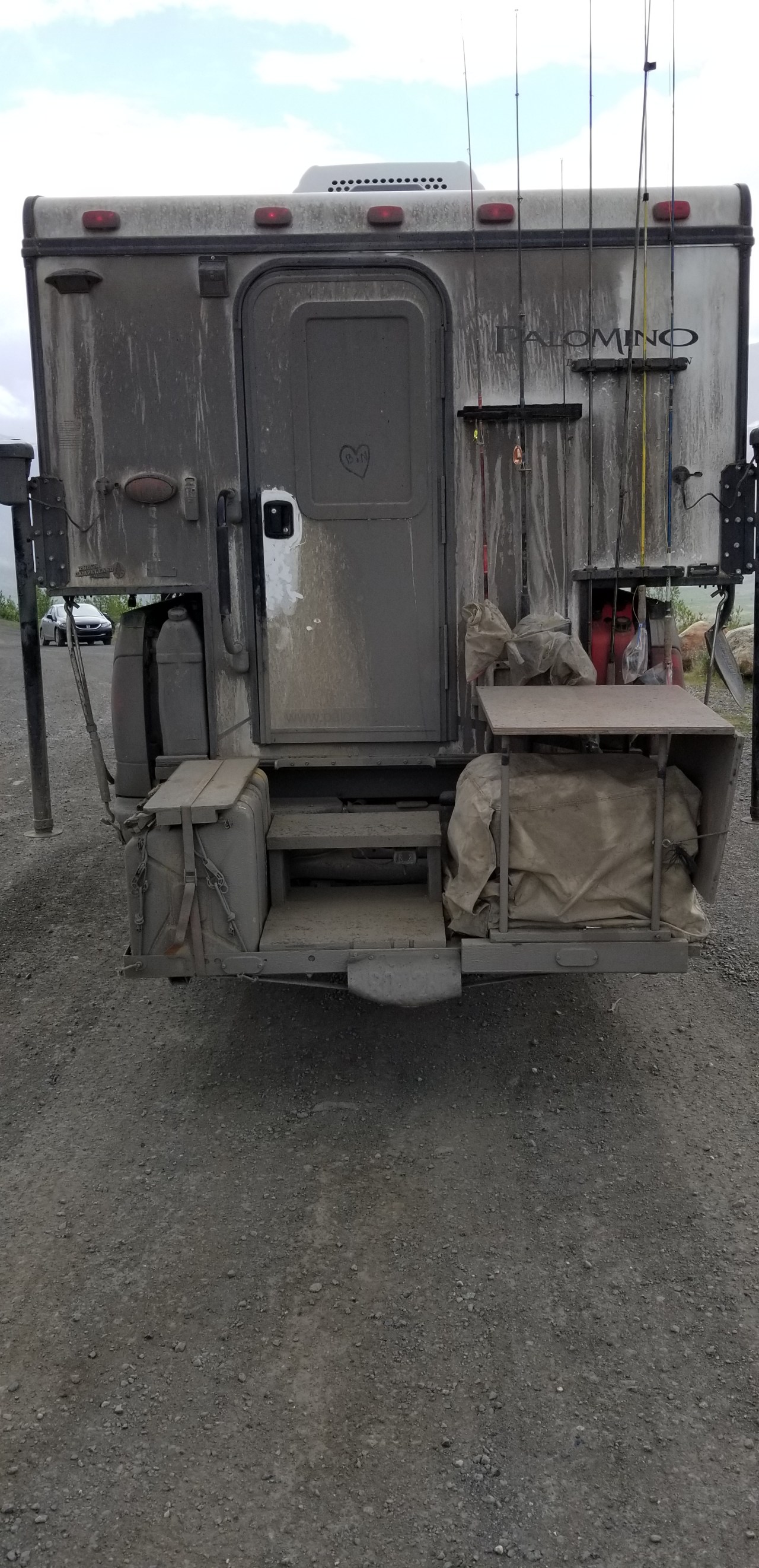
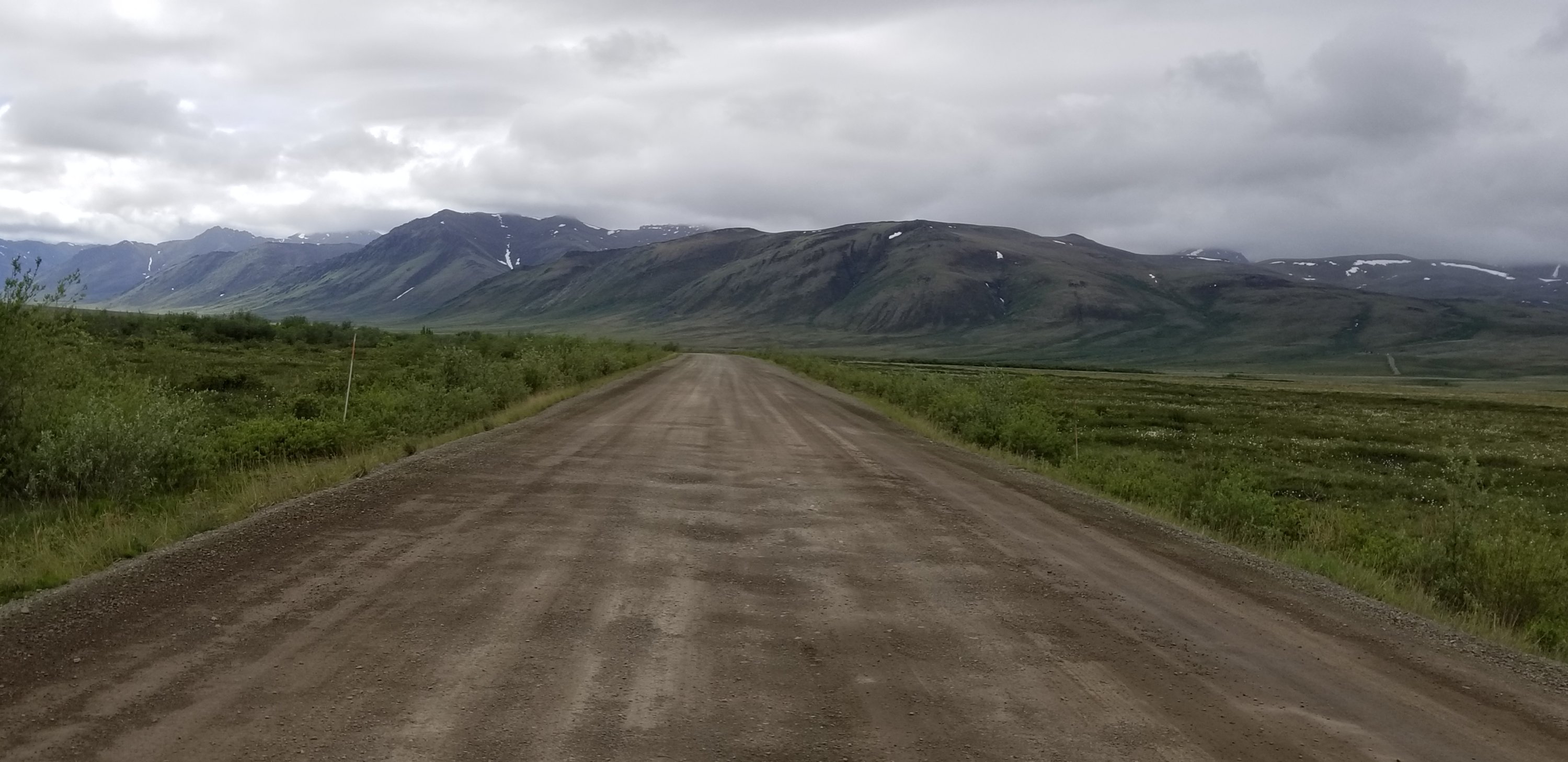
Northerners know to treat the Dempster Highway with respect, no matter when they travel it. Its 738 gravel kilometers with few services along the way mean it’s essential for motorists to carry at least two spare tires, Jerry cans of gas, food, and even firewood. Conditions on the highway can change quickly, punishing the unprepared.

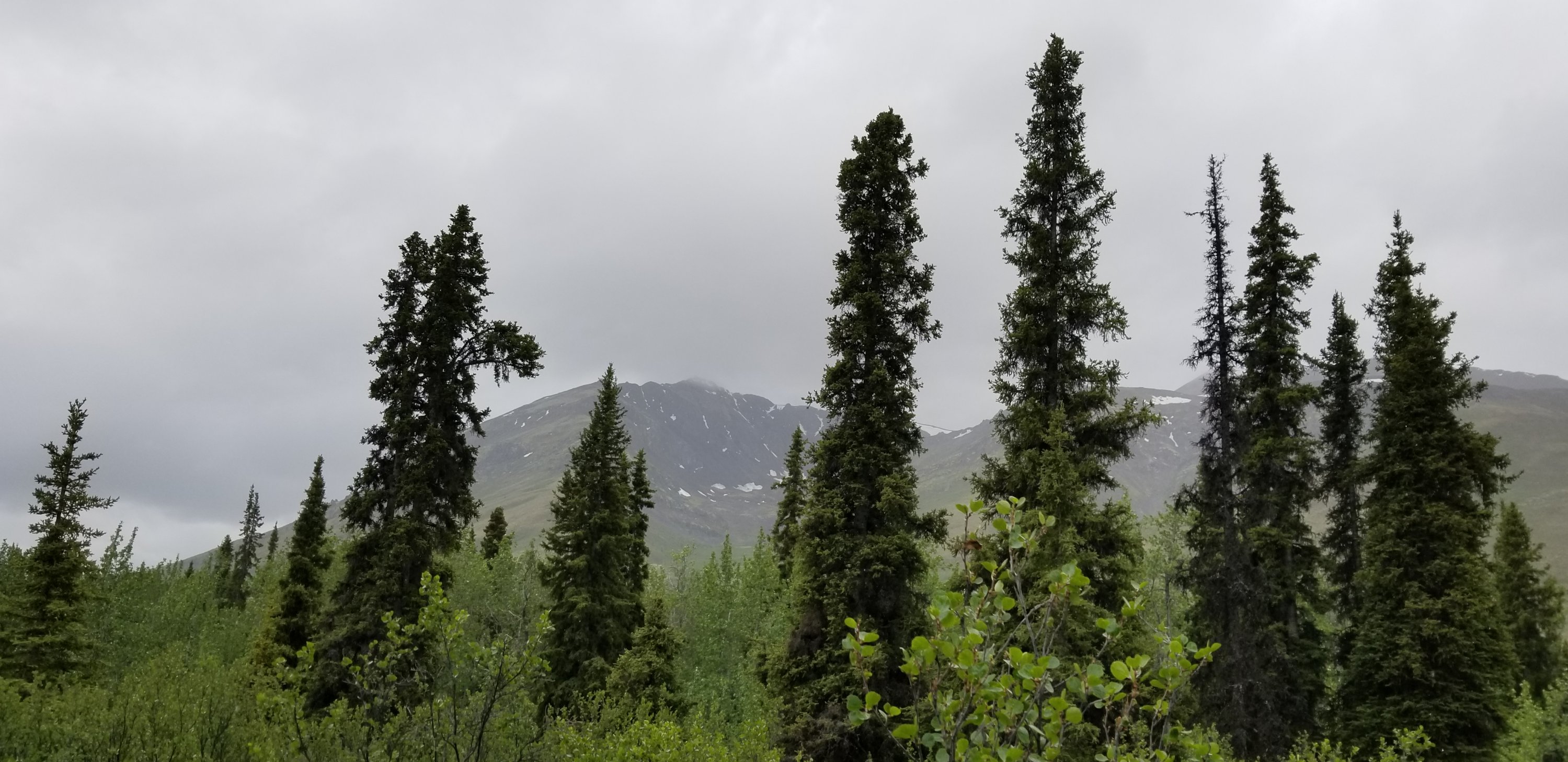
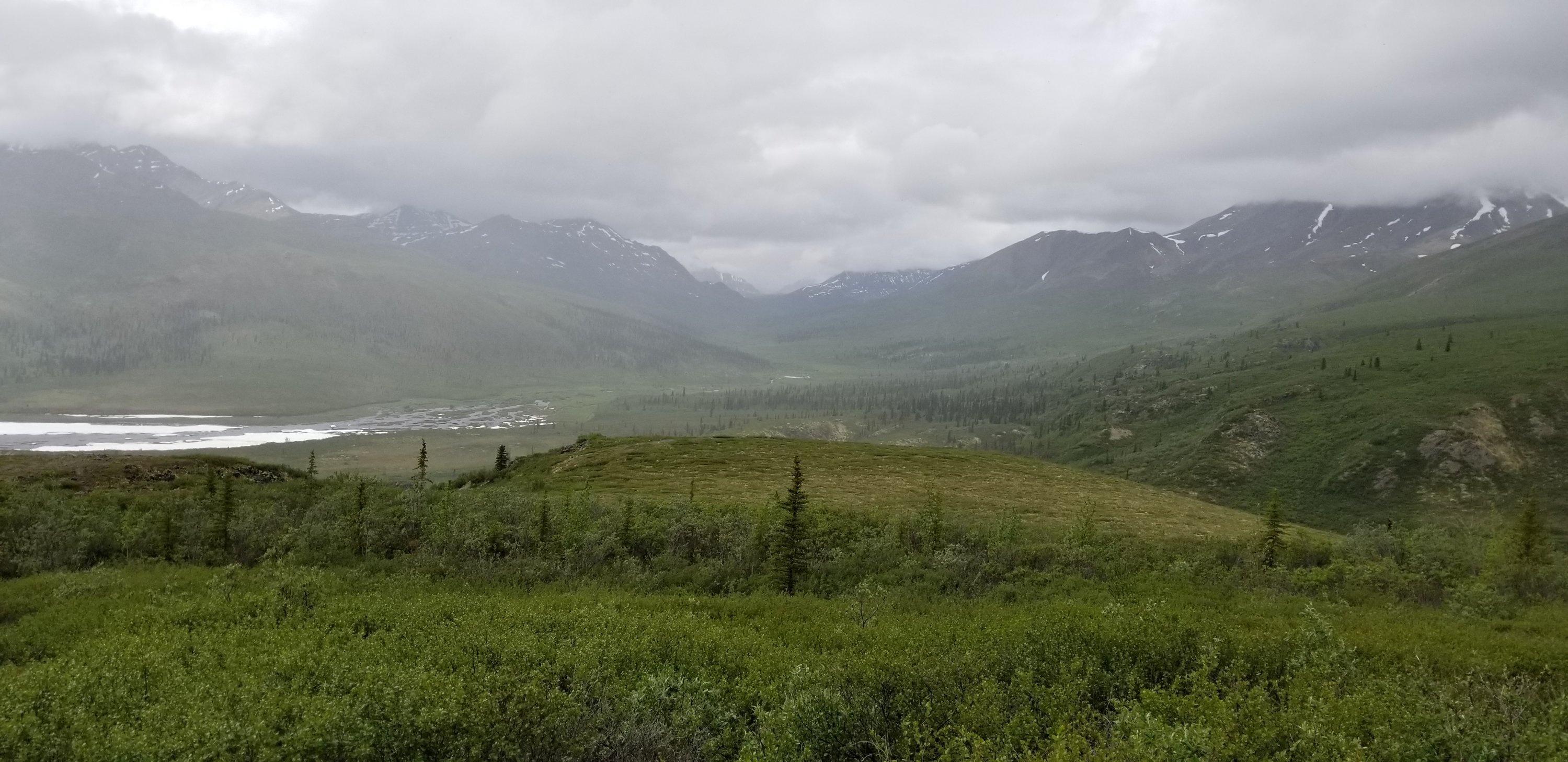
So, why do people use it? First of all, there isn’t another choice if you want to travel the northern Yukon from Dawson City to Inuvik. Second, in the summer, the highway is a place to experience the Yukon’s wild, unspoiled beauty. Mountain ranges, deep valleys, rivers, streams, and waterfalls line both sides of the road, as you transition from boreal forest to sub-Arctic tundra. And who knows when you might see bursts of colorful wild flowers, a caribou trotting across the highway, or a black bear feeding beside the road?

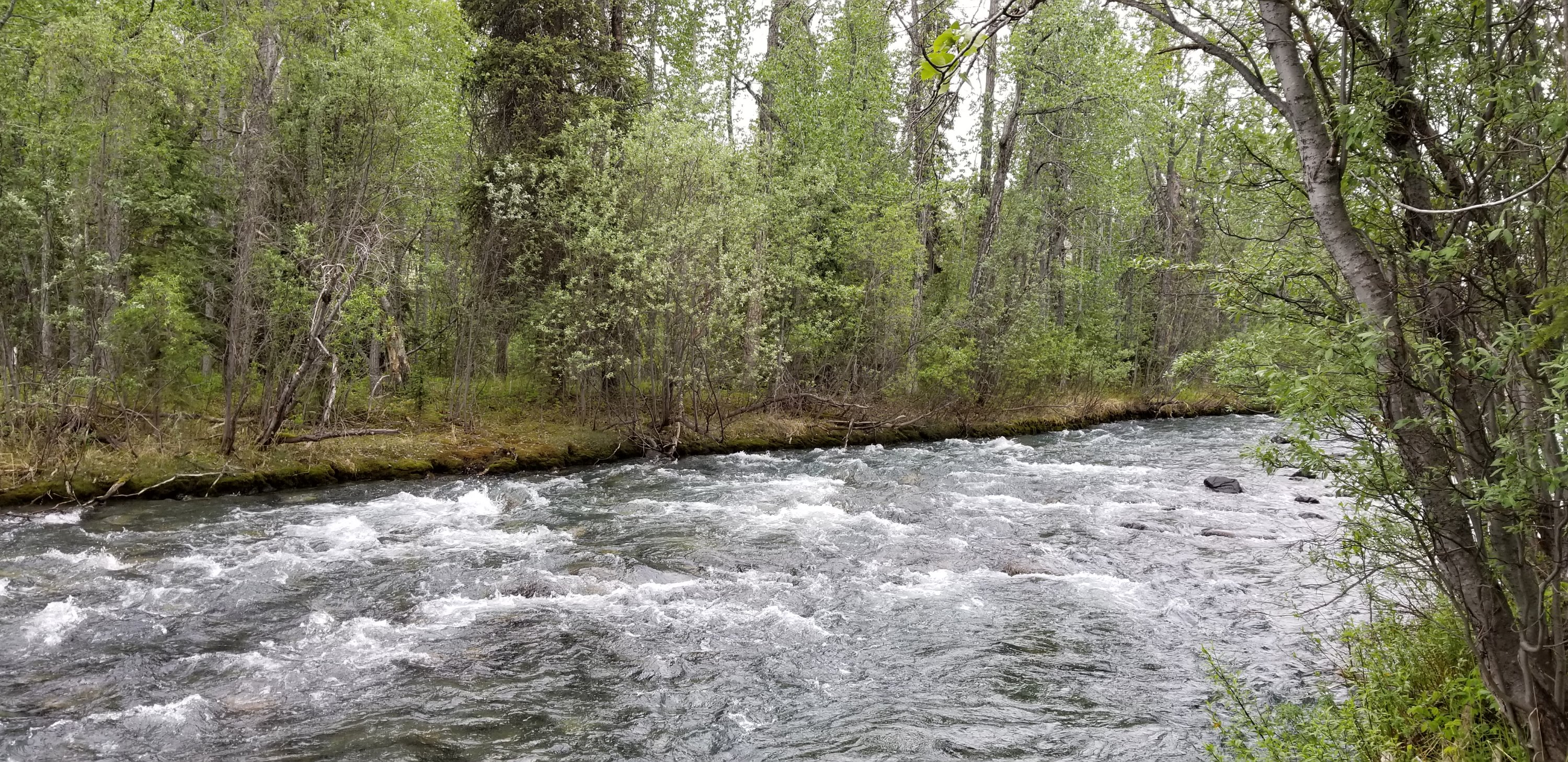
If you just want a small taste of the highway and all it offers, you can head about 100 kilometers north of Dawson City, to Tombstone Park, which is co-managed by the territorial government and the Tr’ondëk Hwëch’in First Nation. On the way there, you’ll likely encounter few other vehicles. Even in the summer, you might run into chilly temperatures, rain, and low-hanging clouds on the mountains.

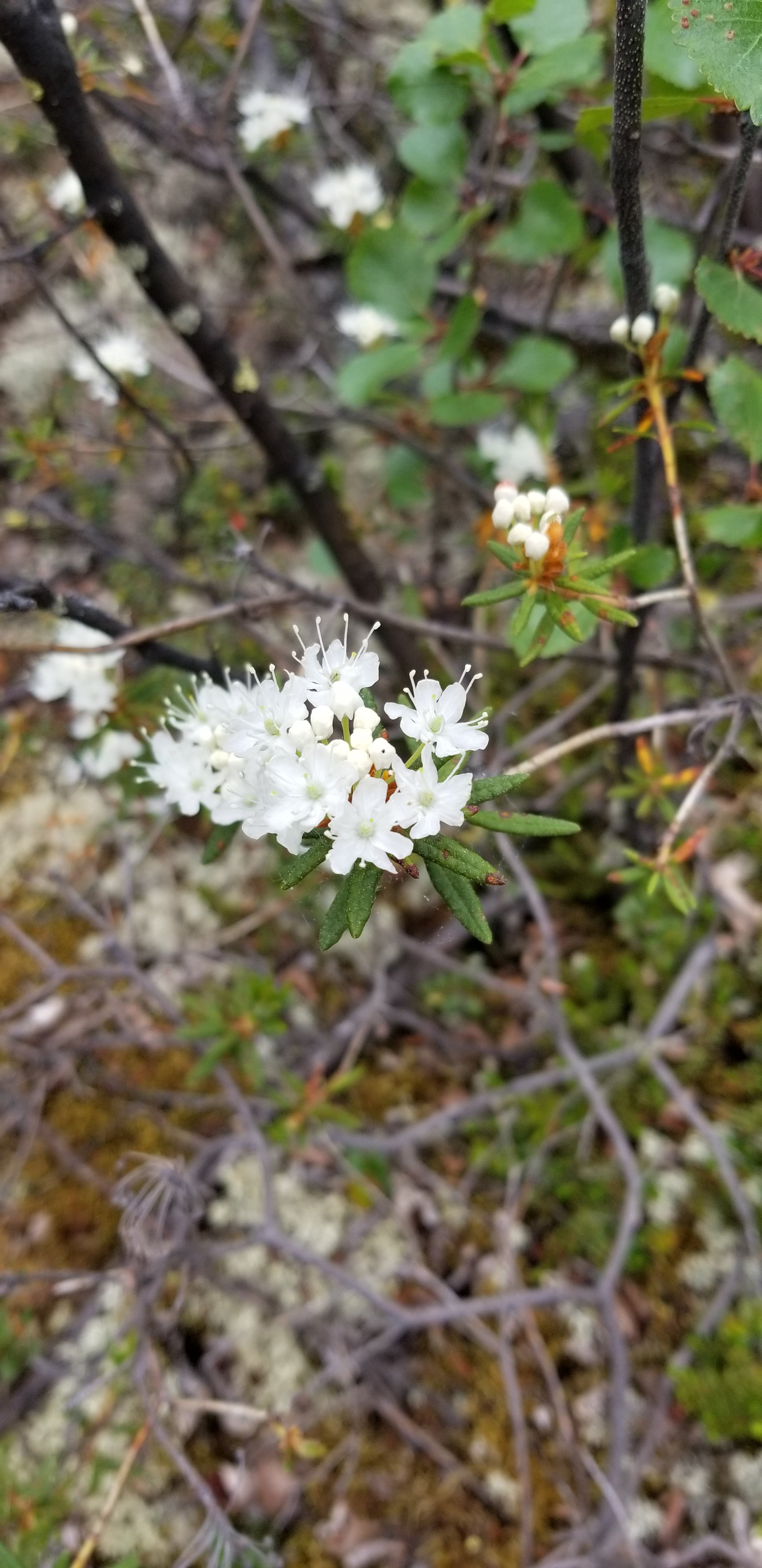
But you’ll experience great beauty as well, especially if you brave the elements, put up the hood of your rain jacket, and go for a little walk on one of the Park’s trails. Keep your eyes peeled for glimpses of wildlife, moss and lichens, and pretty little wildflowers. Dangle your hand in an icy mountain stream or dig a finger into the spongy ground to remind yourself that this is permafrost country.

Labrador tea

Reindeer lichen

Dwarf raspberry

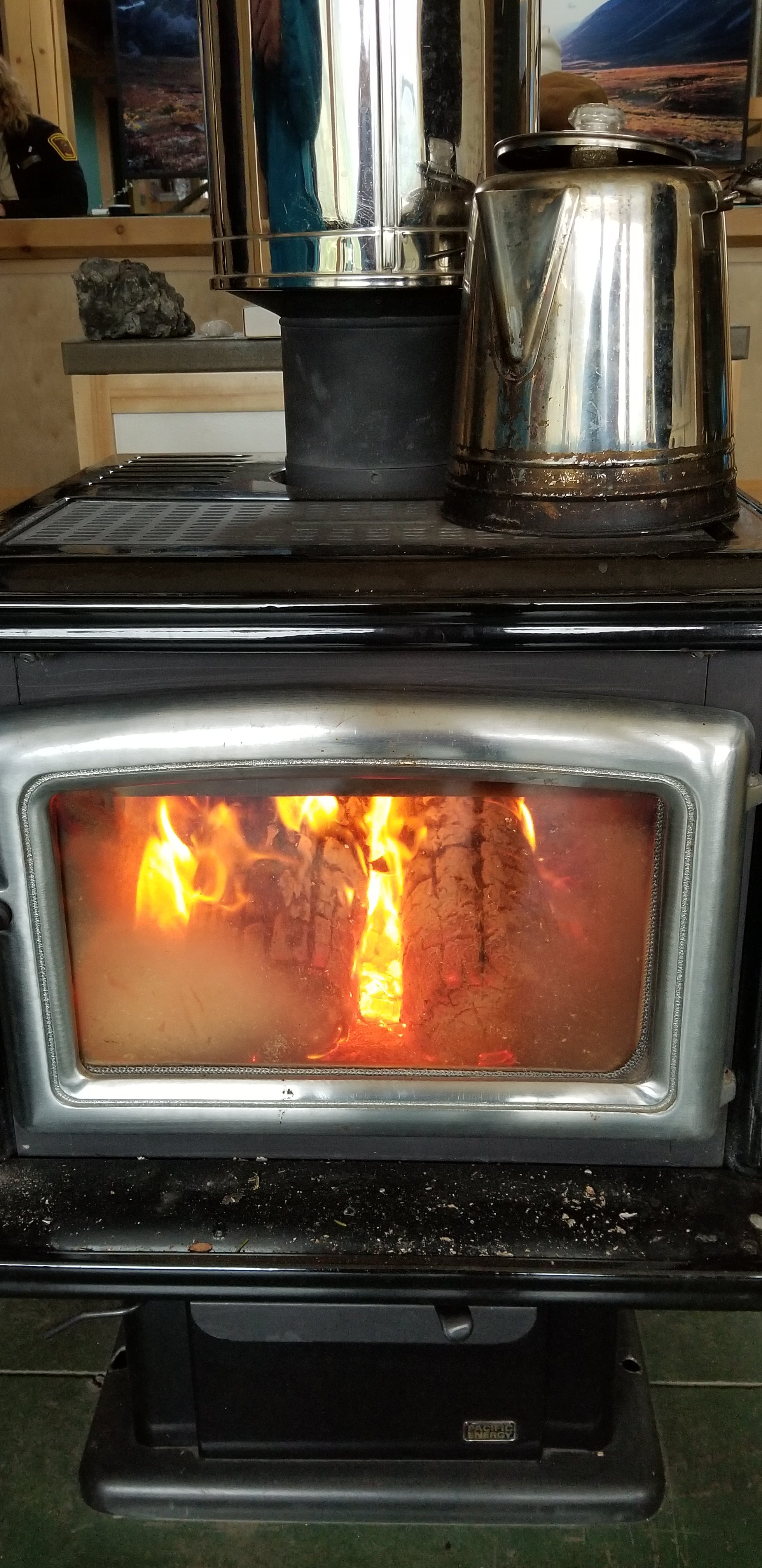
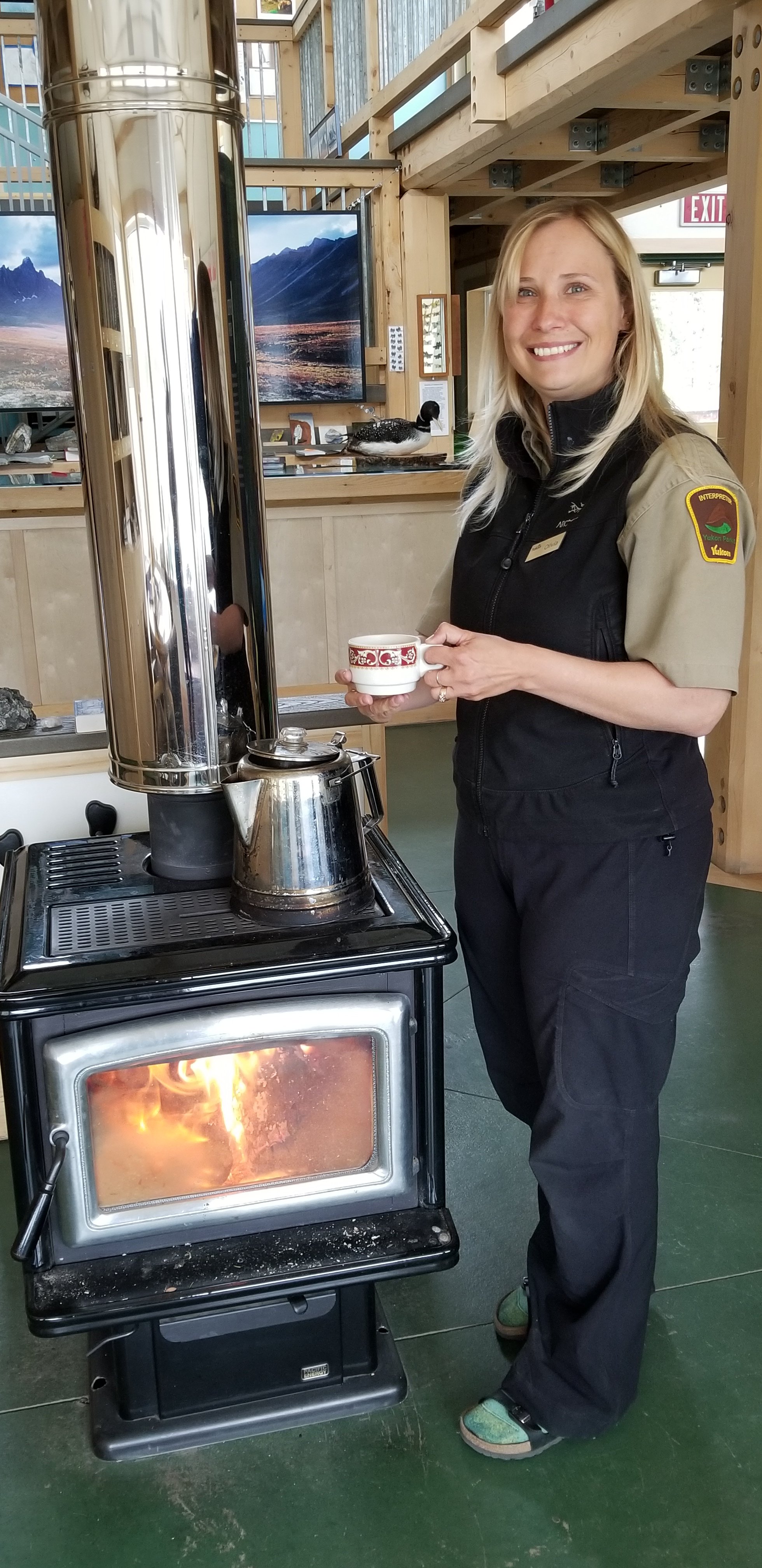
If you want to try a more ambitious hike, need more information about the area, or just want to warm up a little, drop by the Park’s interpretive centre. Try a cup of Labrador and spruce tip tea, and cozy up to the roaring fire. Even in isolated country like this, Yukon hospitality is never too far away.

If I were Prime Minister of Canada, I’d make it a residency requirement for everyone to visit a community outside their own on Canada Day.

I’ve done this several times- years ago to Drayton Valley, Alberta, where my sister taught; more recently, to Mayne Island, off the coast of British Columbia, and, today, in Whitehorse, Yukon.

We’re such a big, diverse country that we need to touch base with each other from time to time, and Canada Day seems like a great time to do that. I think you can tell a lot about a community by how they celebrate being part of this diversity.

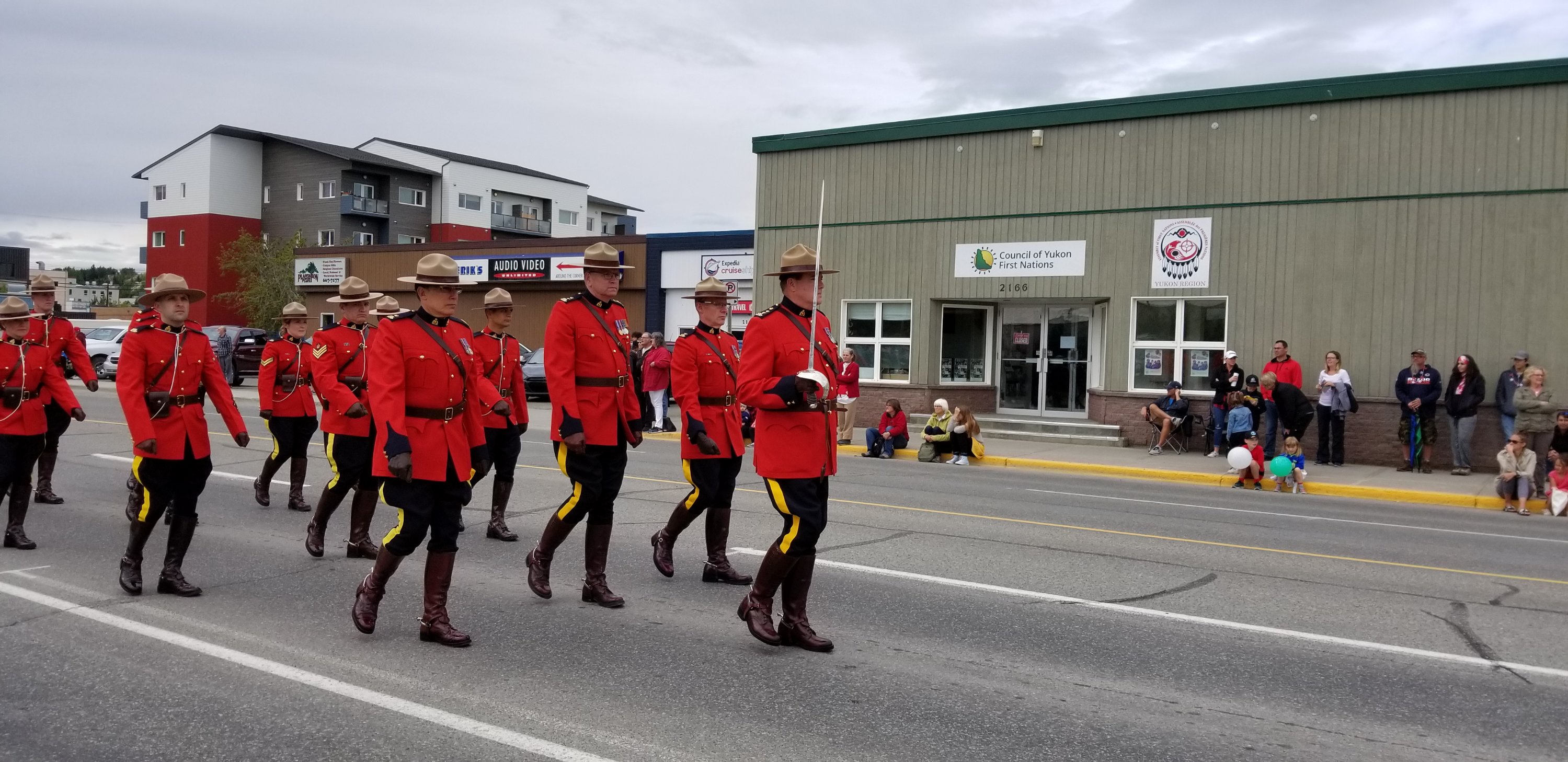
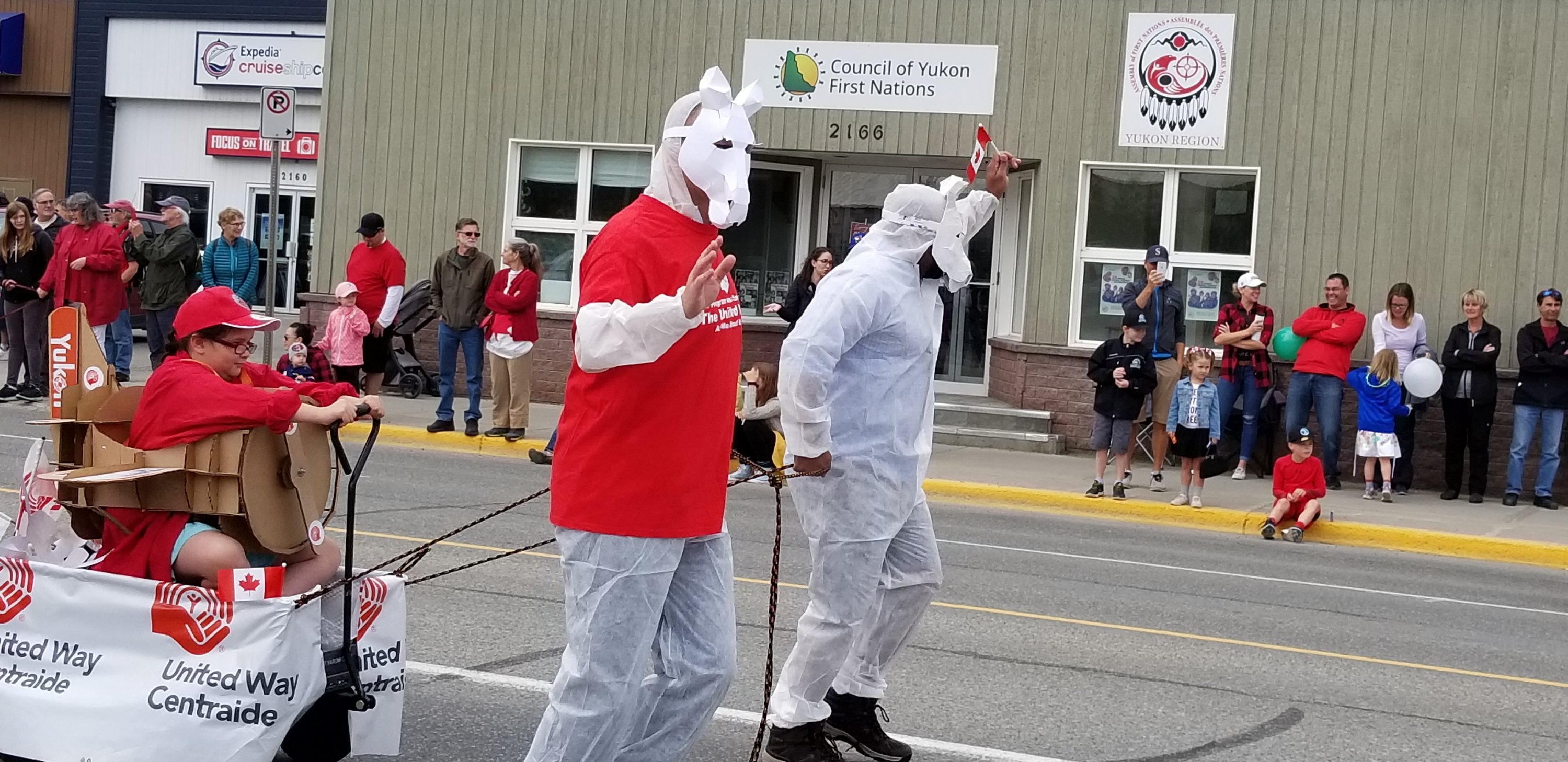
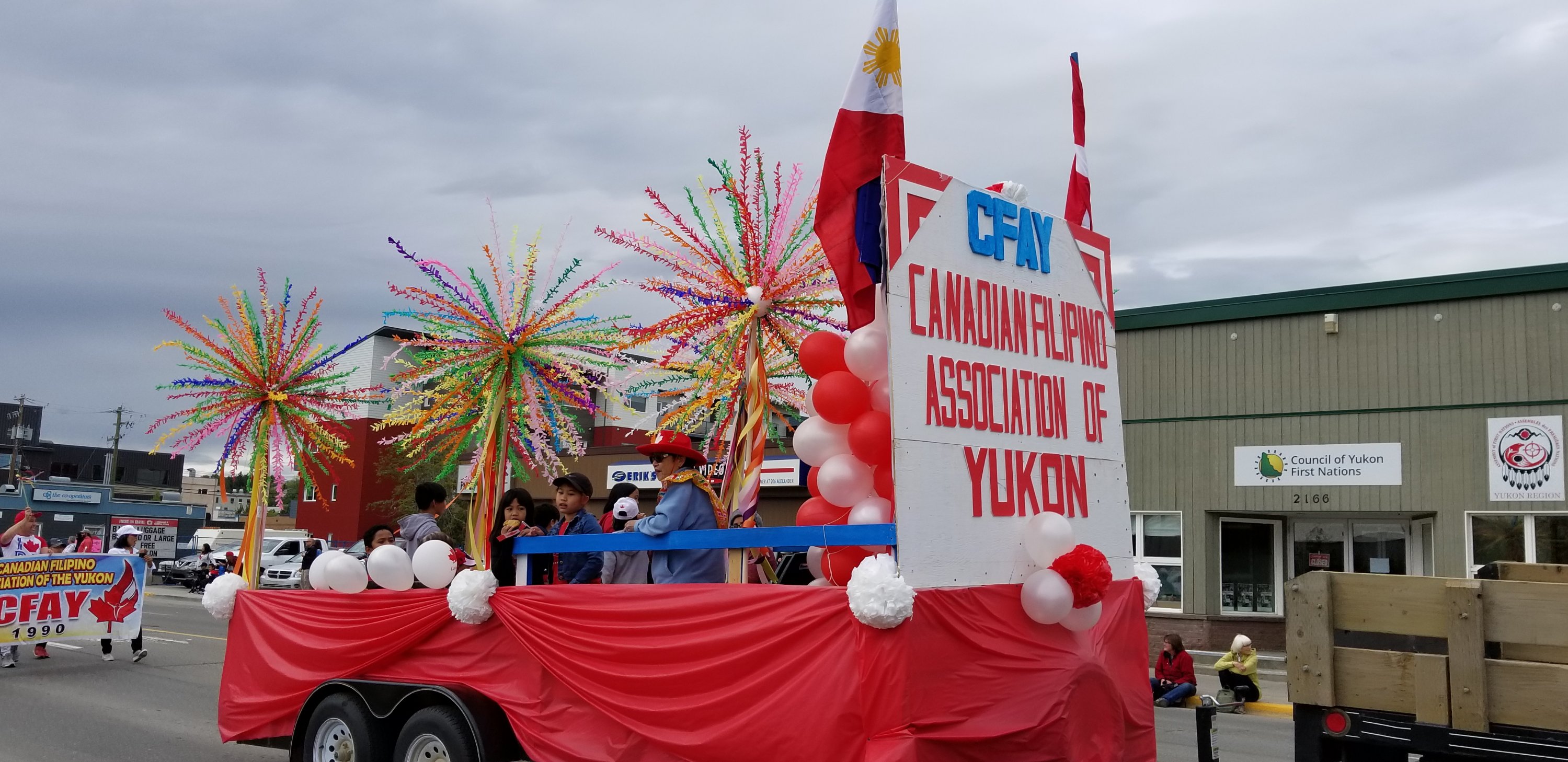
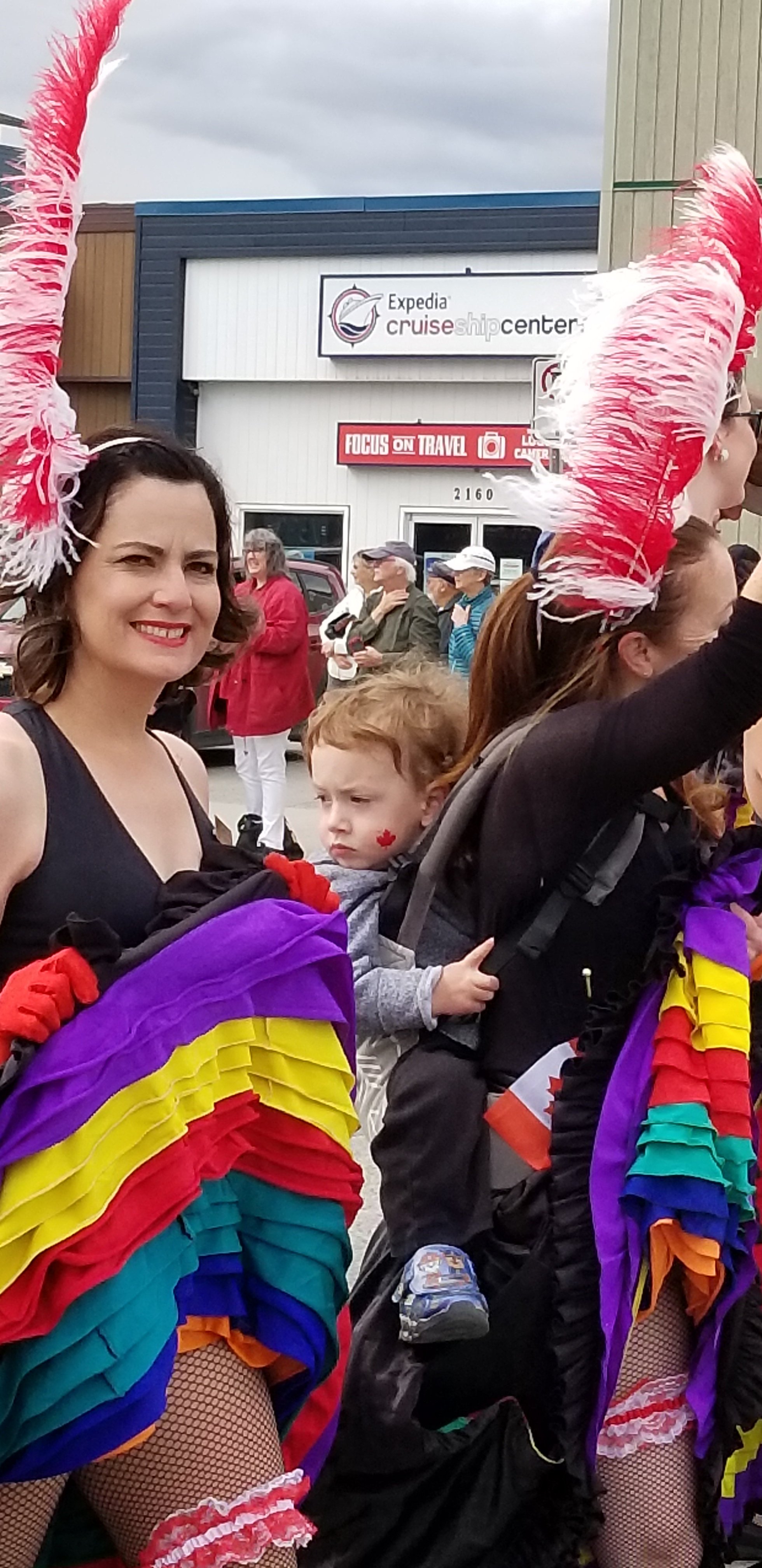
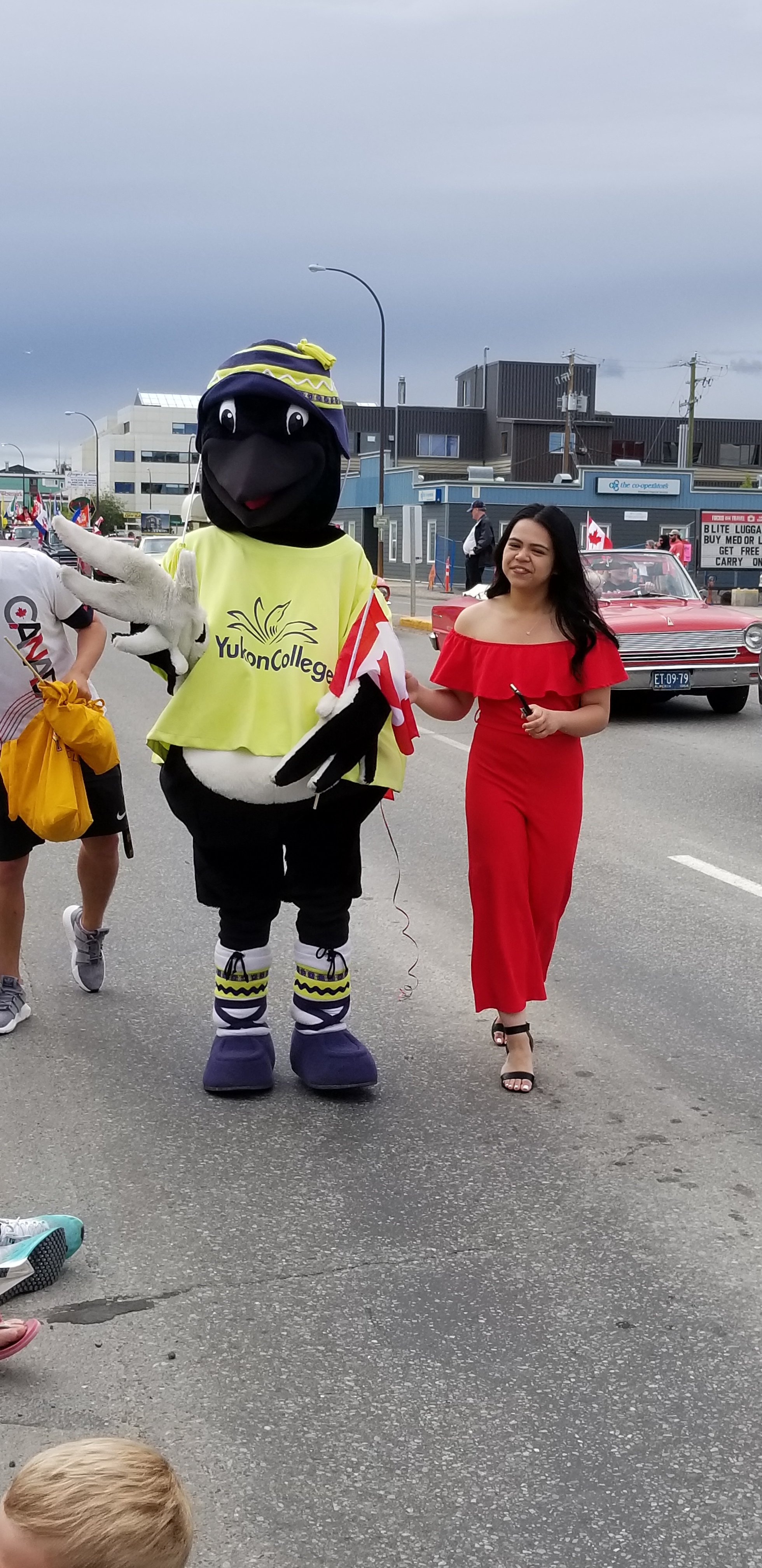
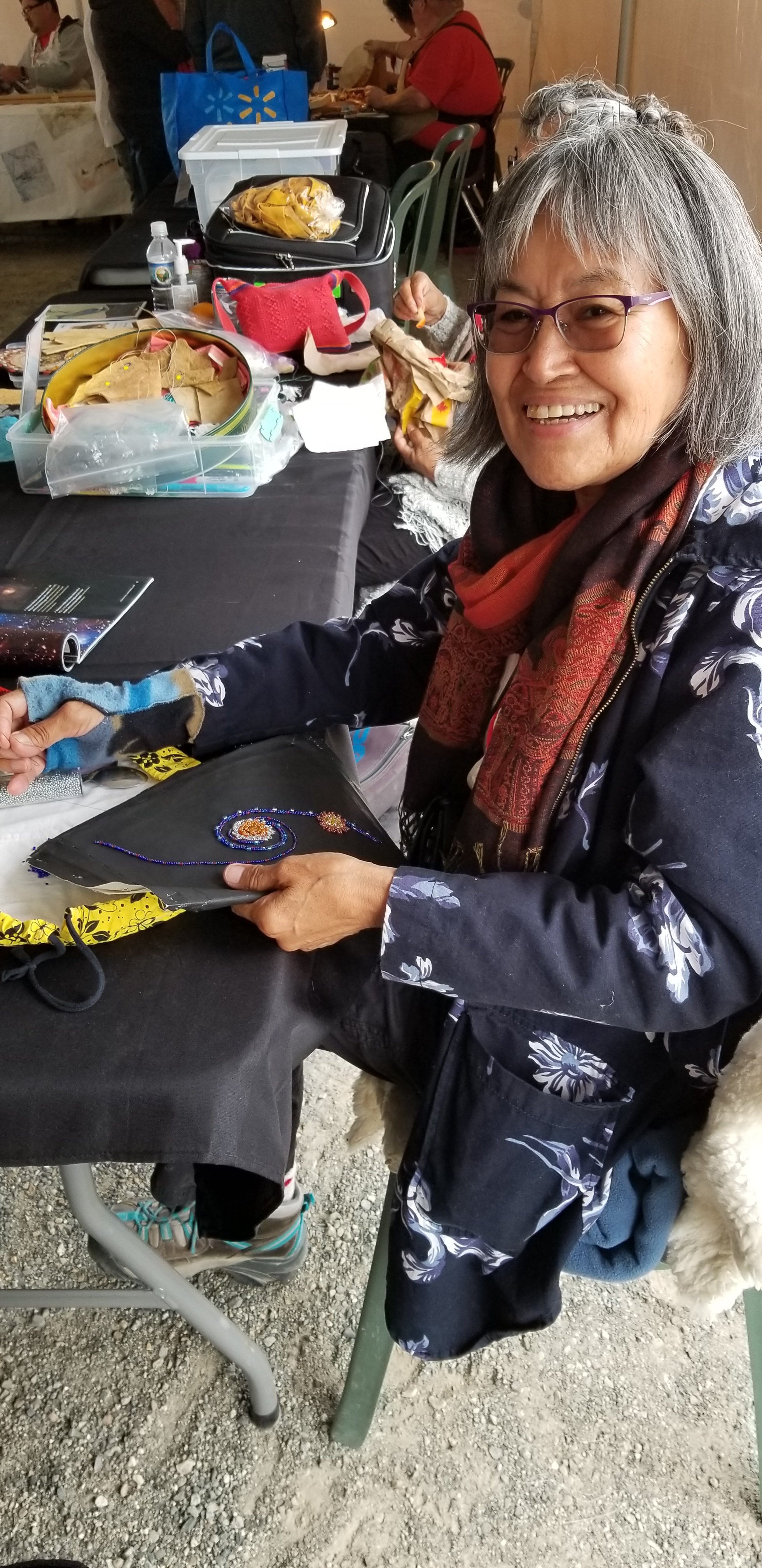
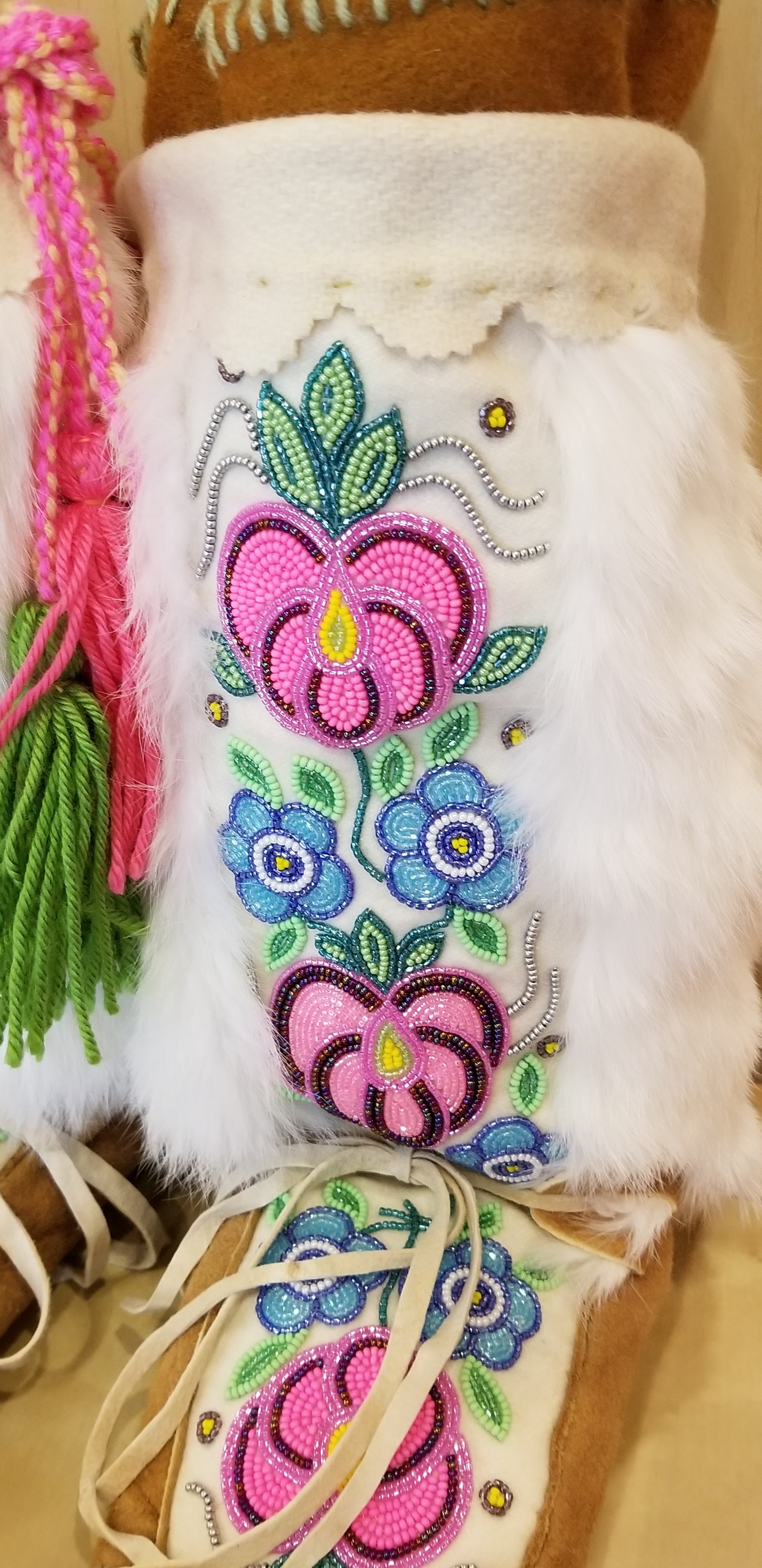
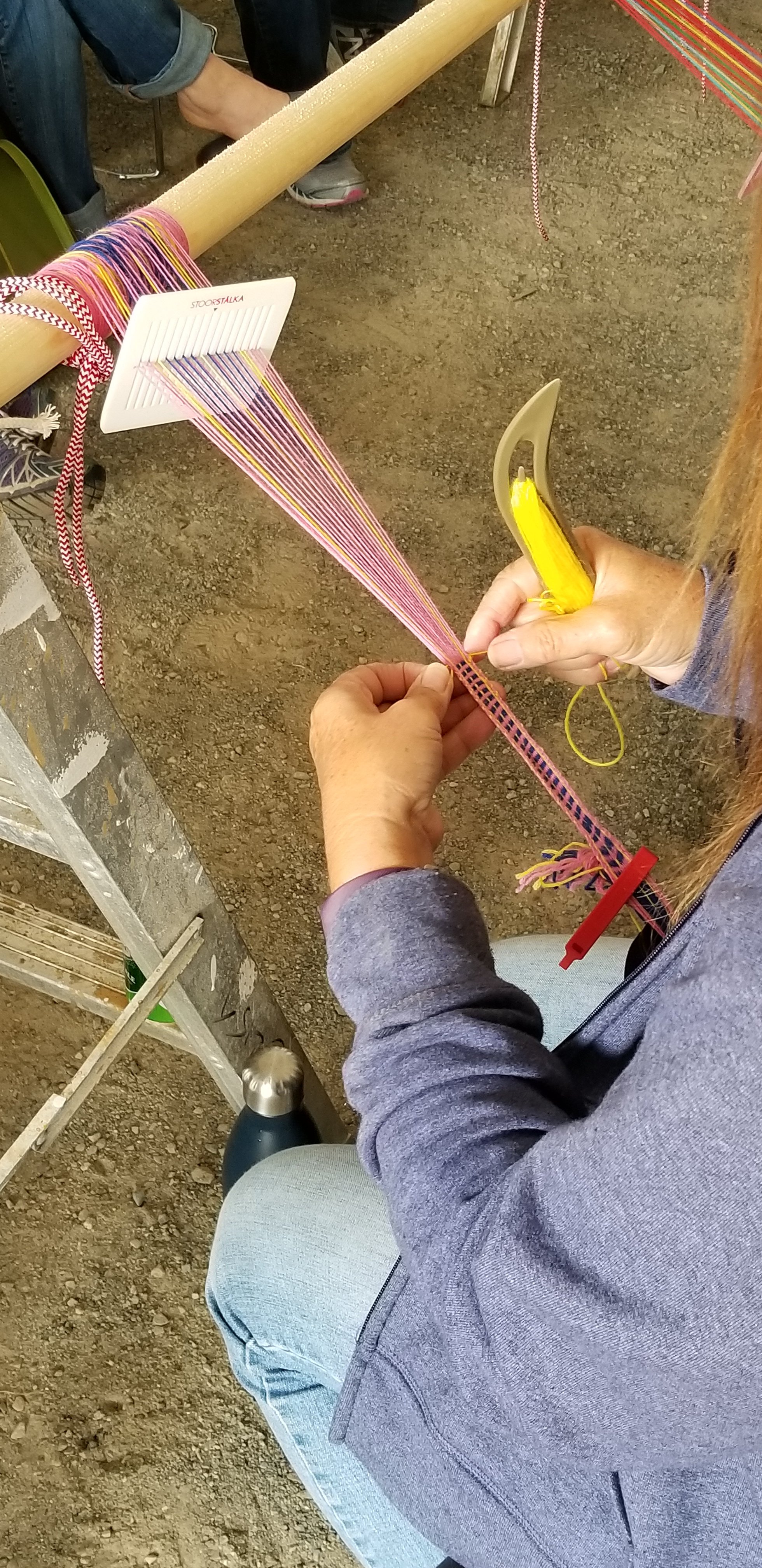
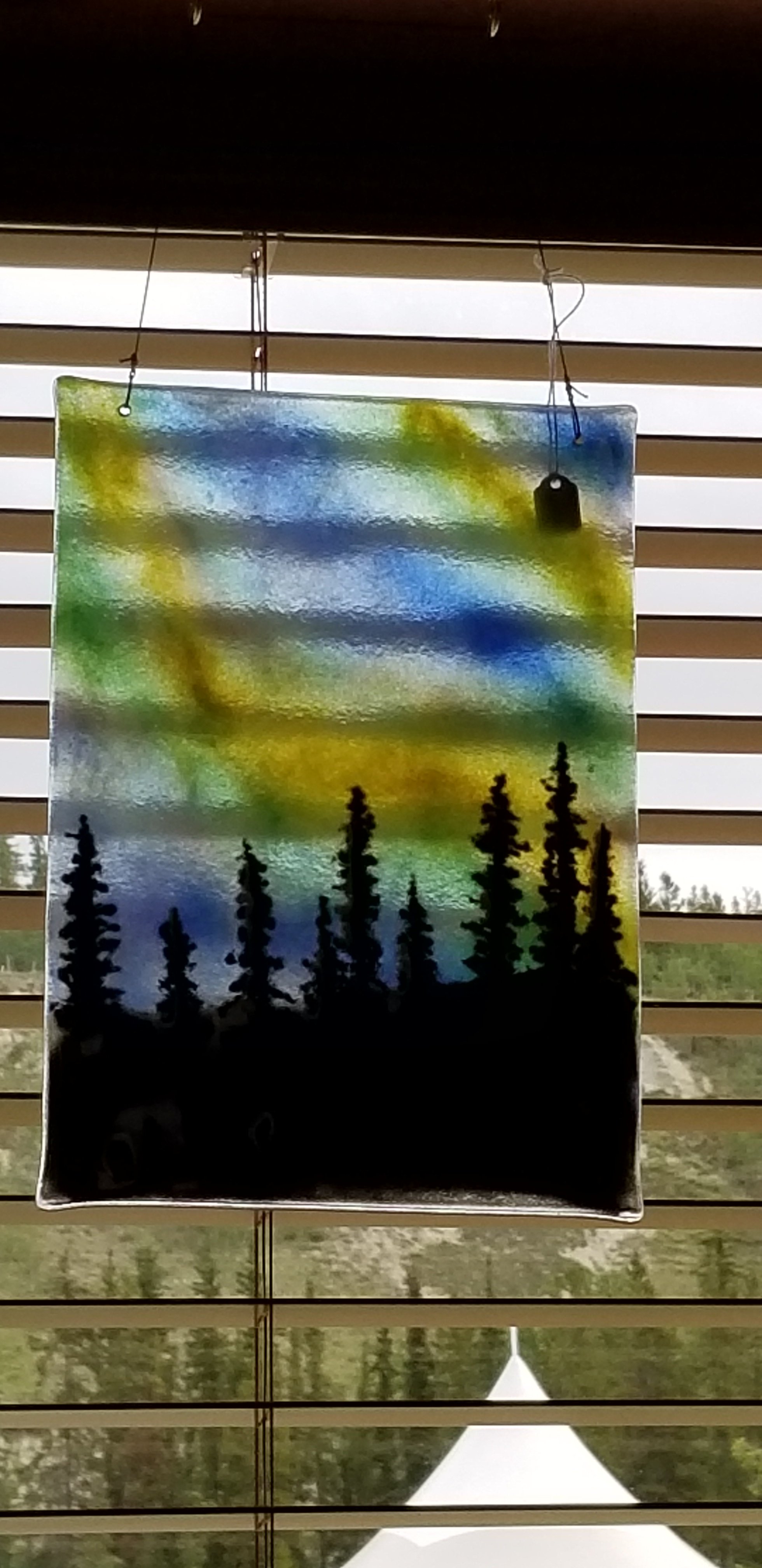
Like many communities across Canada, Whitehorse had a pancake breakfast and a parade. Then, many of the residents ambled over to the Kwanlin Dun Cultural Centre, where the Adaka Festival featured visual and performing artists from across the circumpolar region. The Festival featured concerts, artist talks and demonstrations, workshops, and an awesome art gallery. What better way to get to know the Yukon’s 14 First Nations, and their brothers and sisters from across Canada, Russia, and Scandinavia?

So, here’s a little taste of Canada Day in Whitehorse, where the strength and freedom of the North was on display for all to see.

A bunch of the boys were whooping it up at the Malamute Saloon.

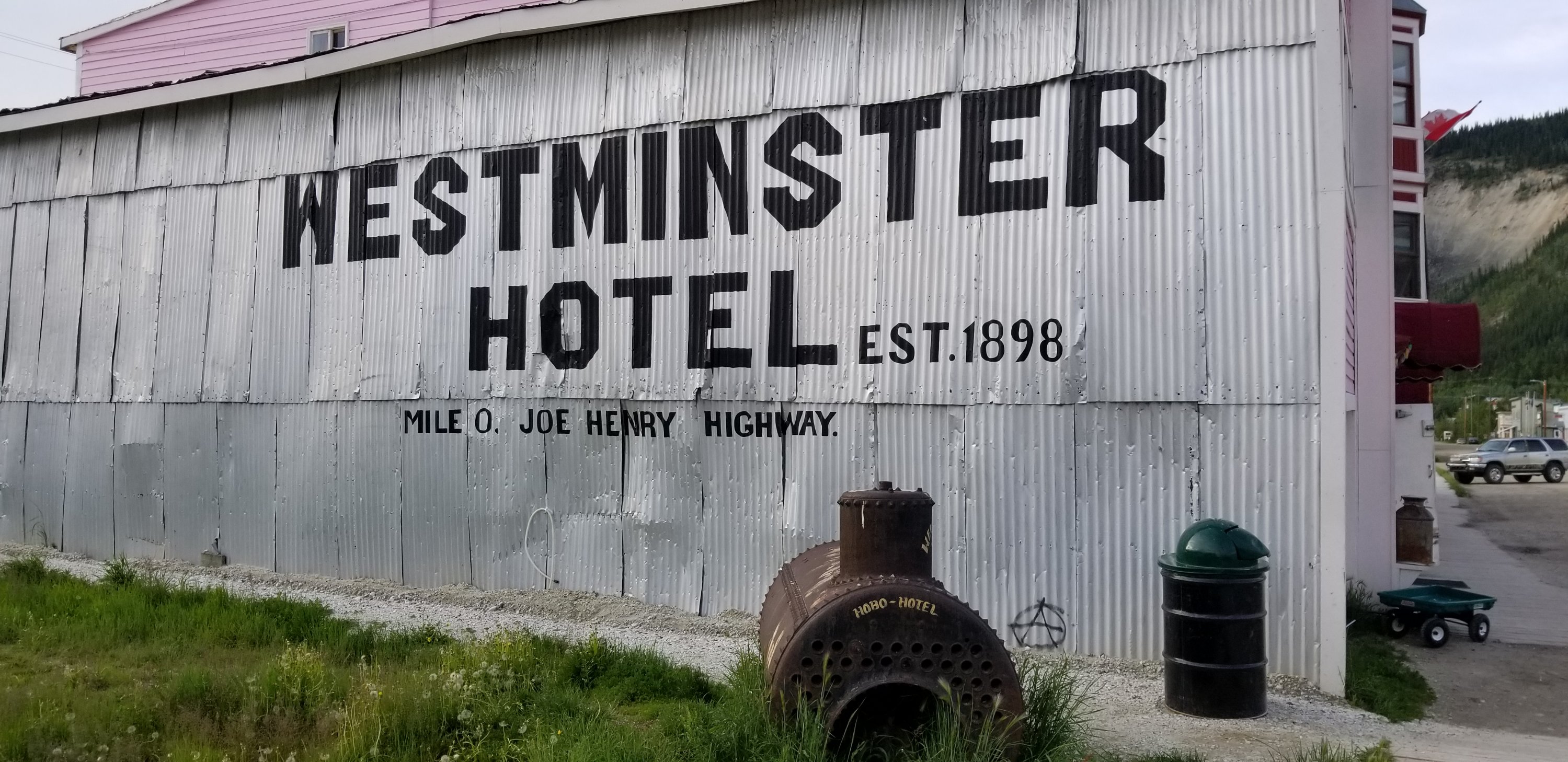
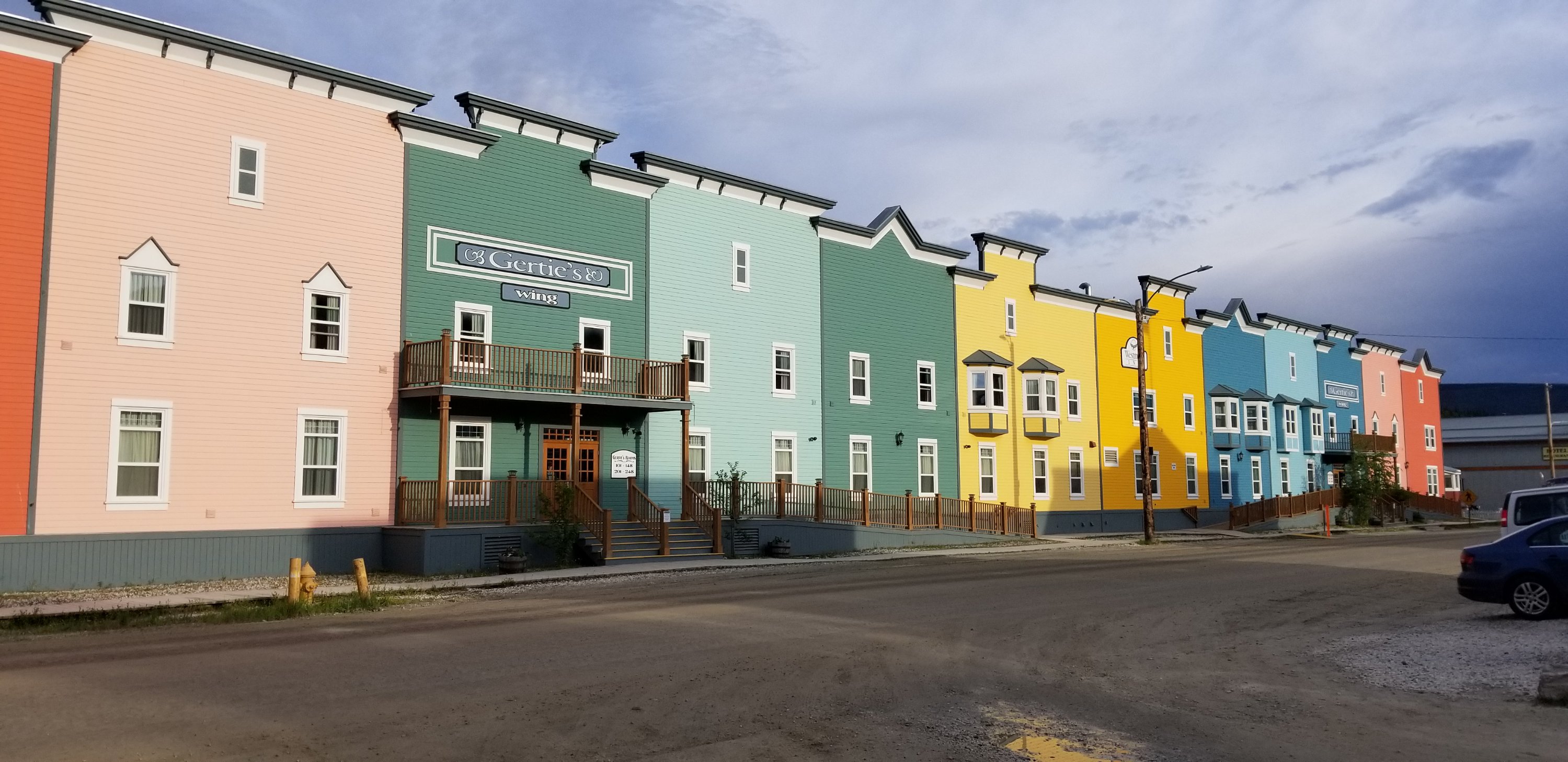
Well, actually, it wasn’t just boys and the saloon involved was the Westminster, a fuschia pink and white establishment across the street from our hotel, the Eldorado.Our Dawson City tour guide had told us earlier that day, that if we hadn’t seen any wildlife yet, we were certain to see some that night in and around the Westminster.

So the whooping didn’t come as any surprise, especially since it was St. Jean Baptiste day, and Dawson has a large Quebecois population.The fact that the whooping went on until 2 am did, especially since the Eldorado was full up with weary tourists, who had to choose between 1) lying awake with windows open to catch some breeze; 2) closing their windows and listening instead to the rugga-rugga of the room air conditioner; or 3) turning off the air conditioning, keeping the window shut, and sweltering.

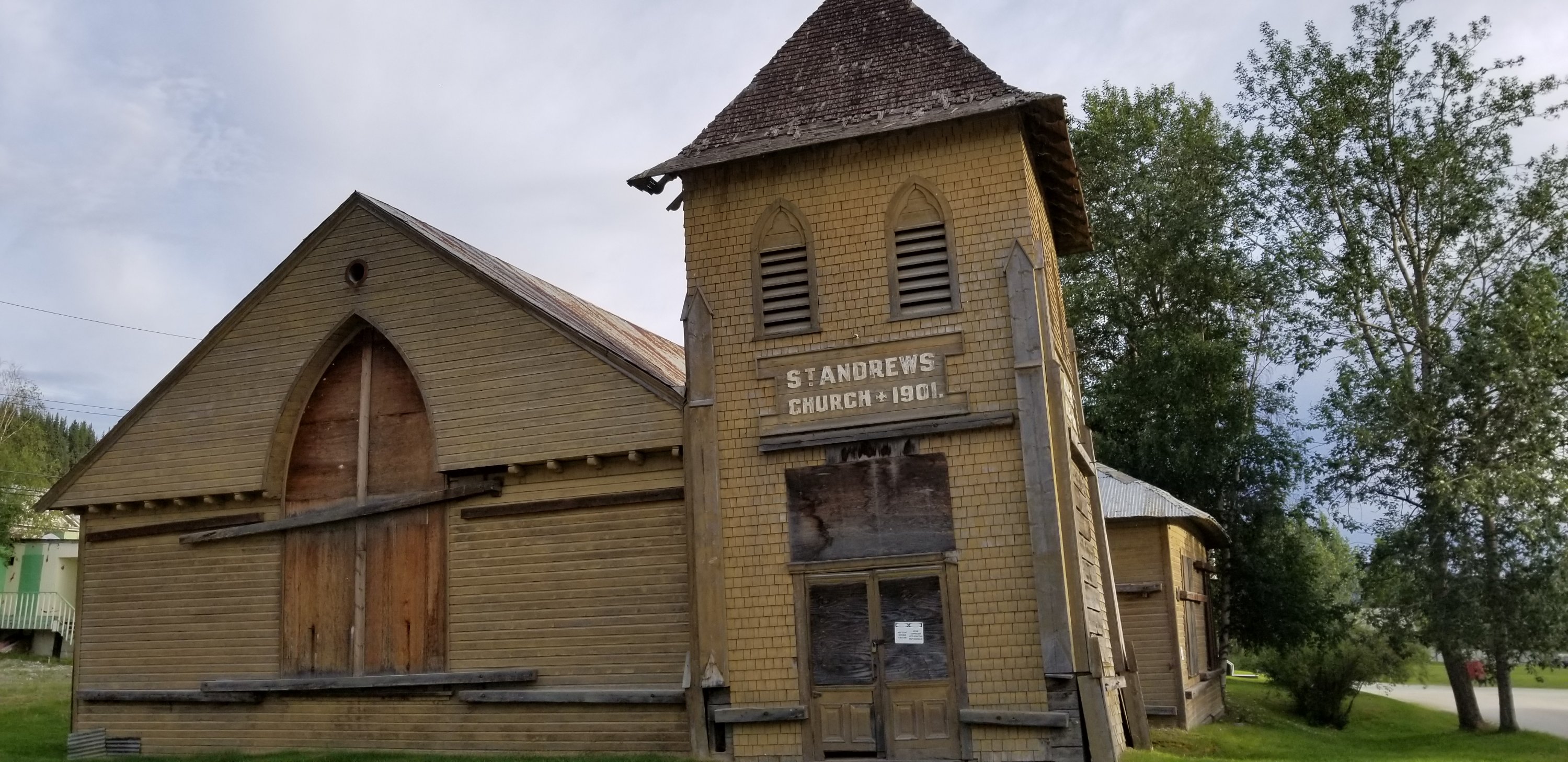
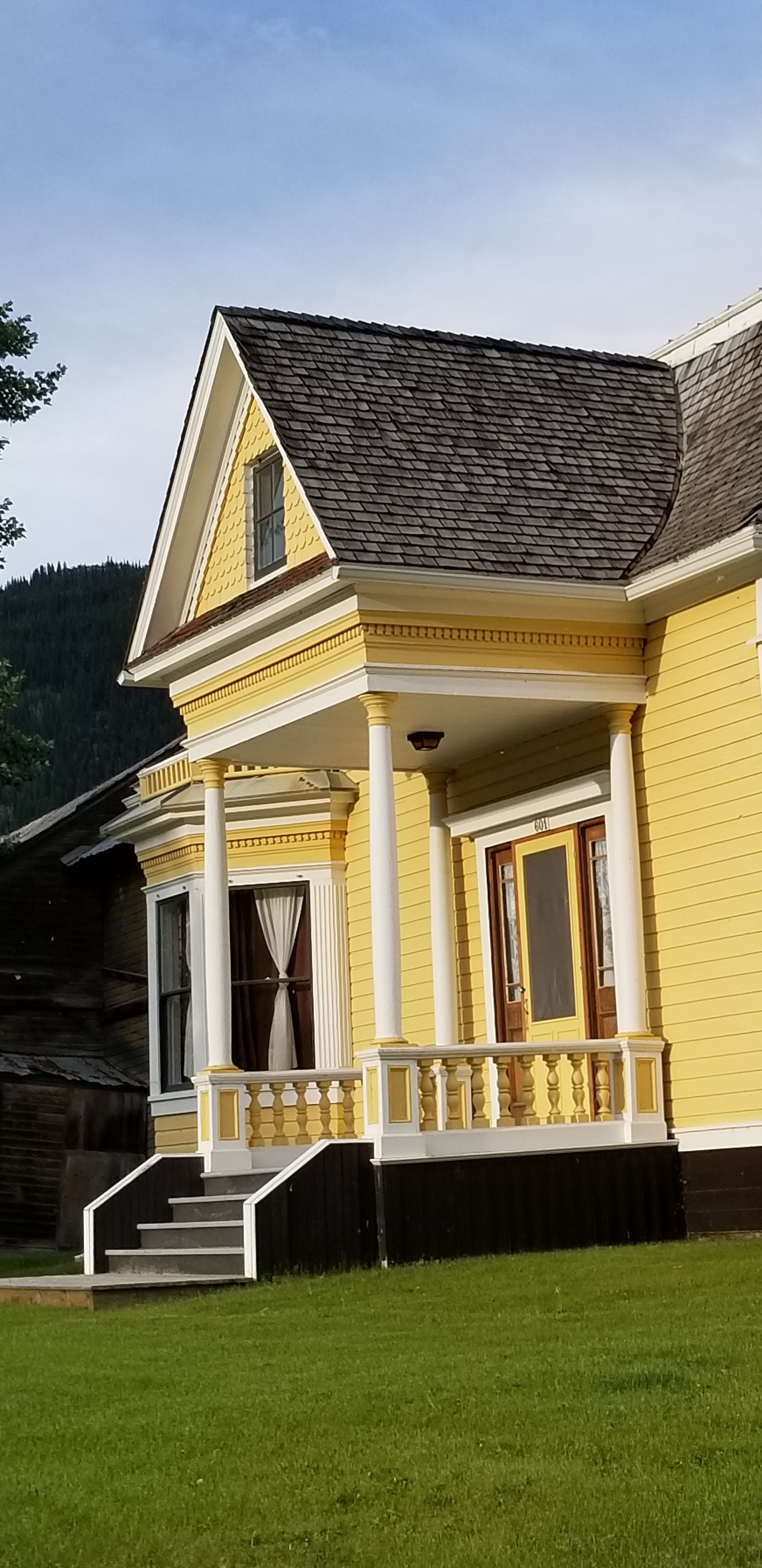
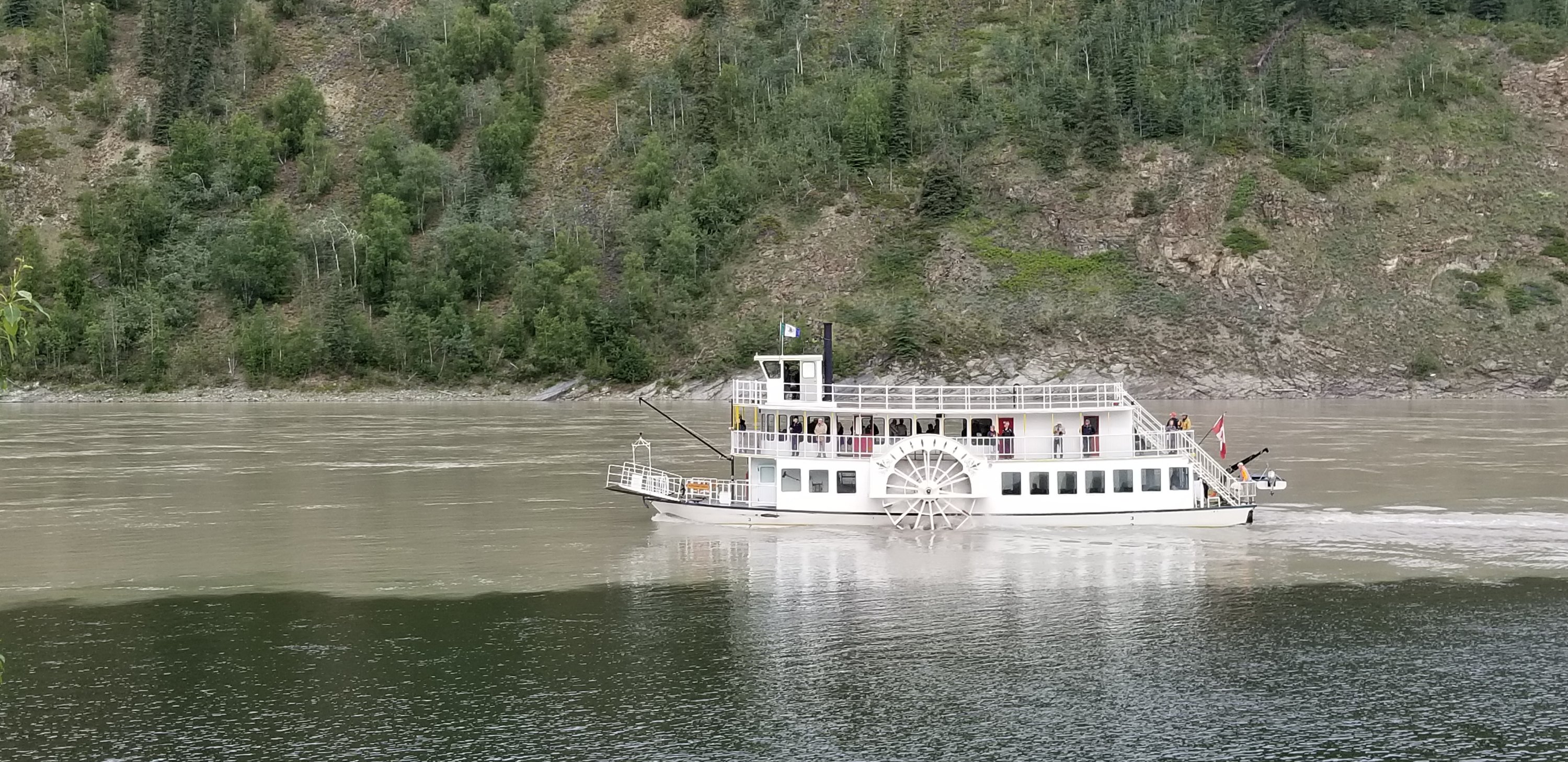
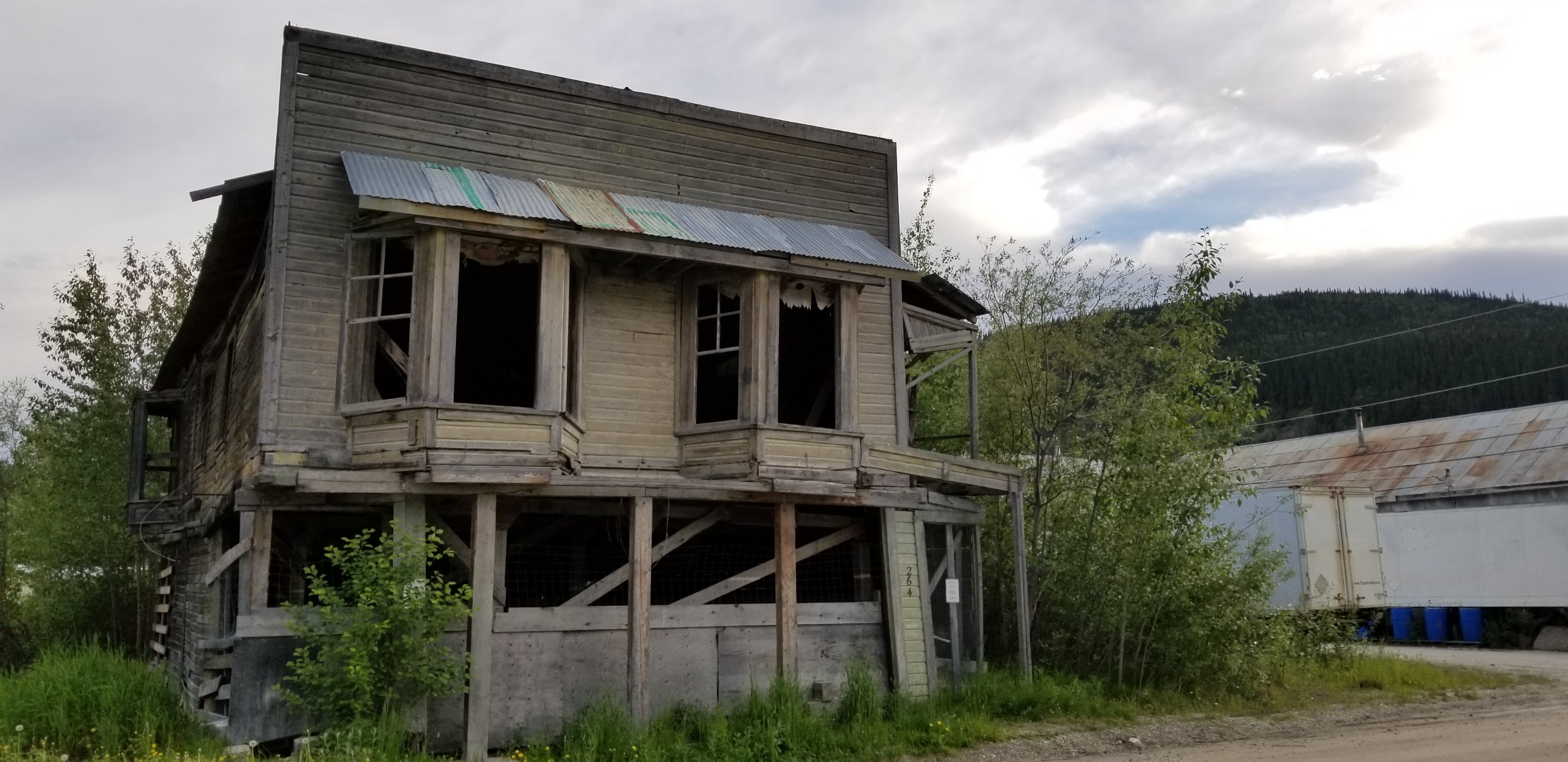
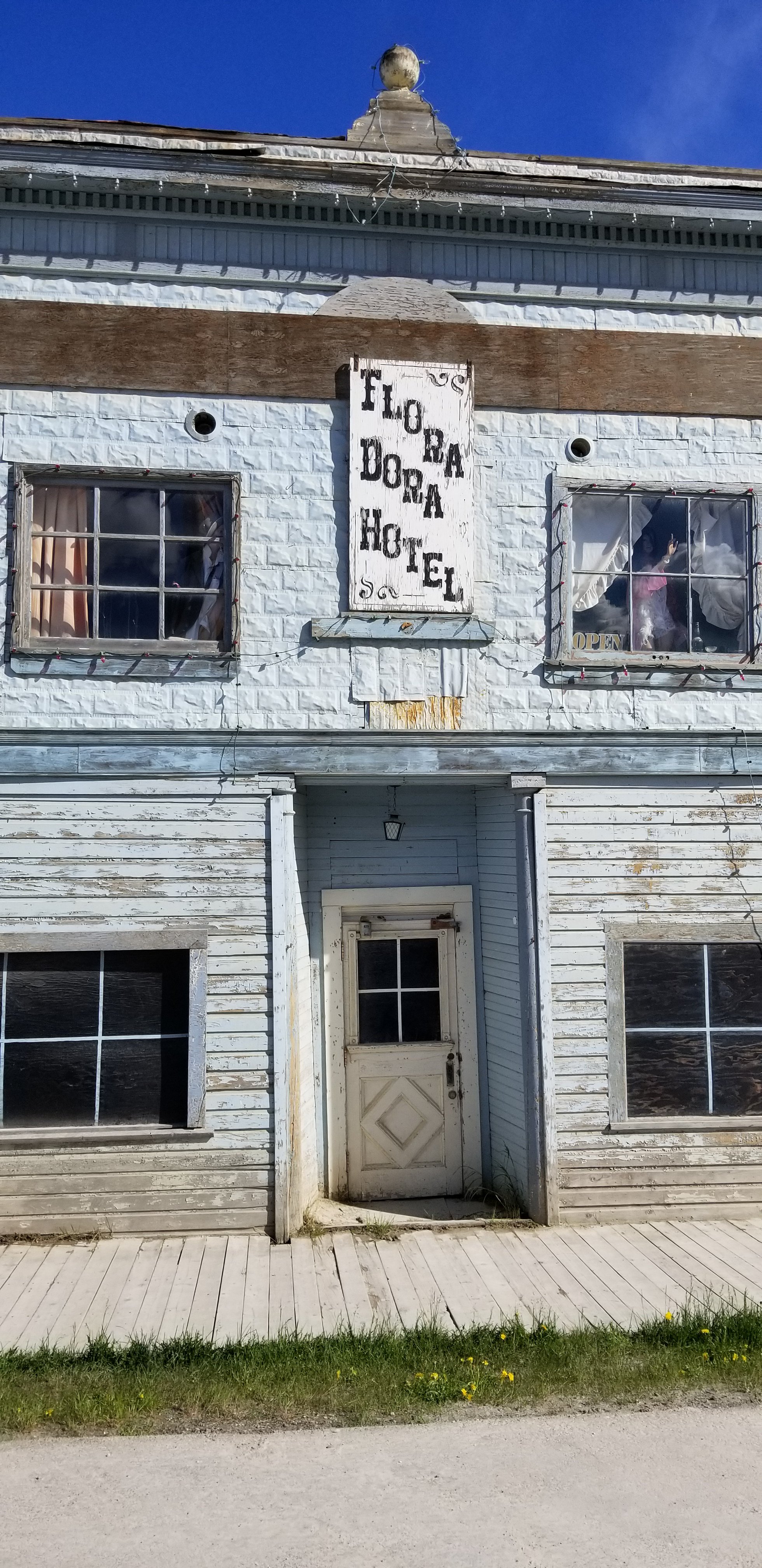
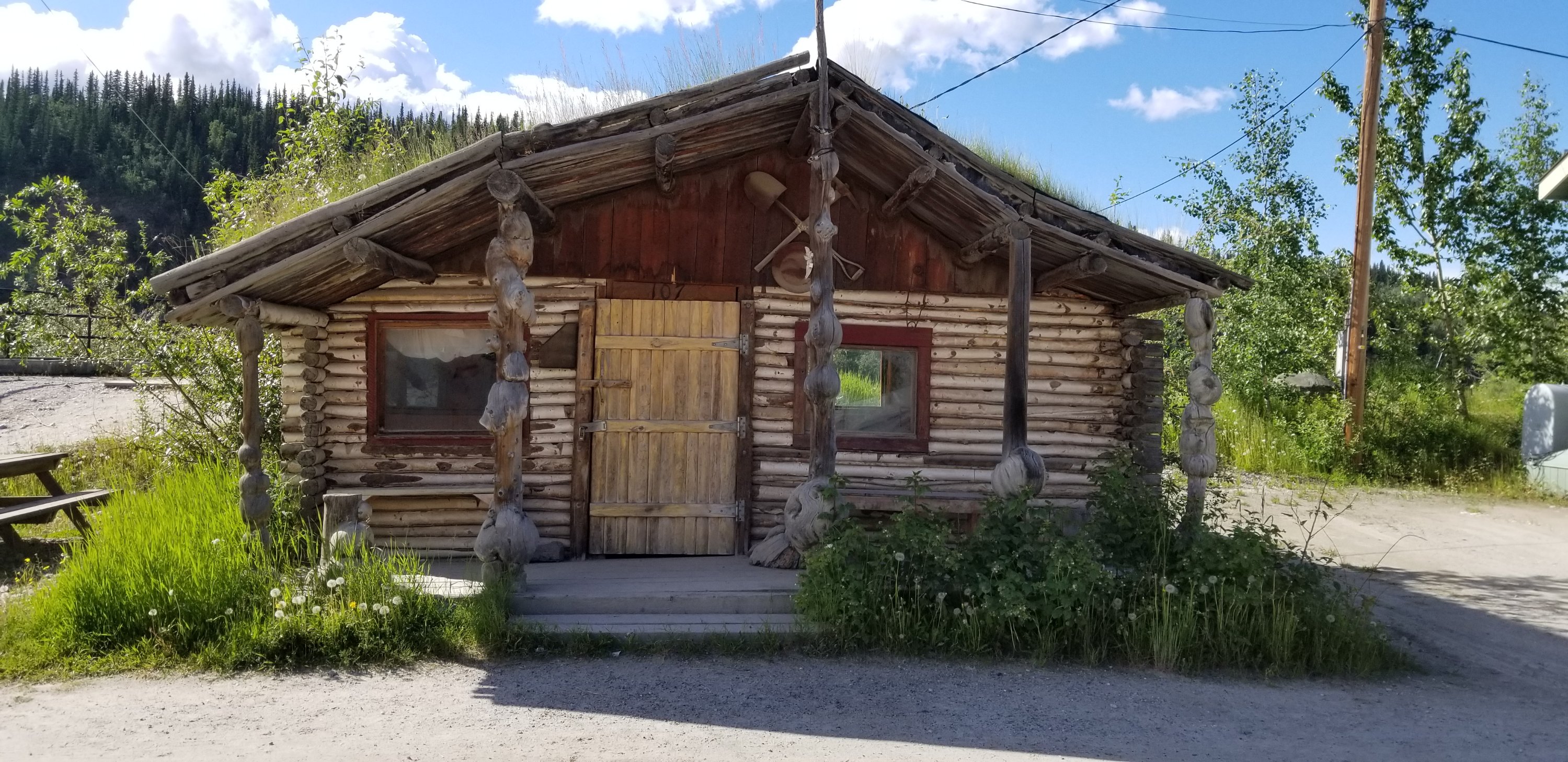
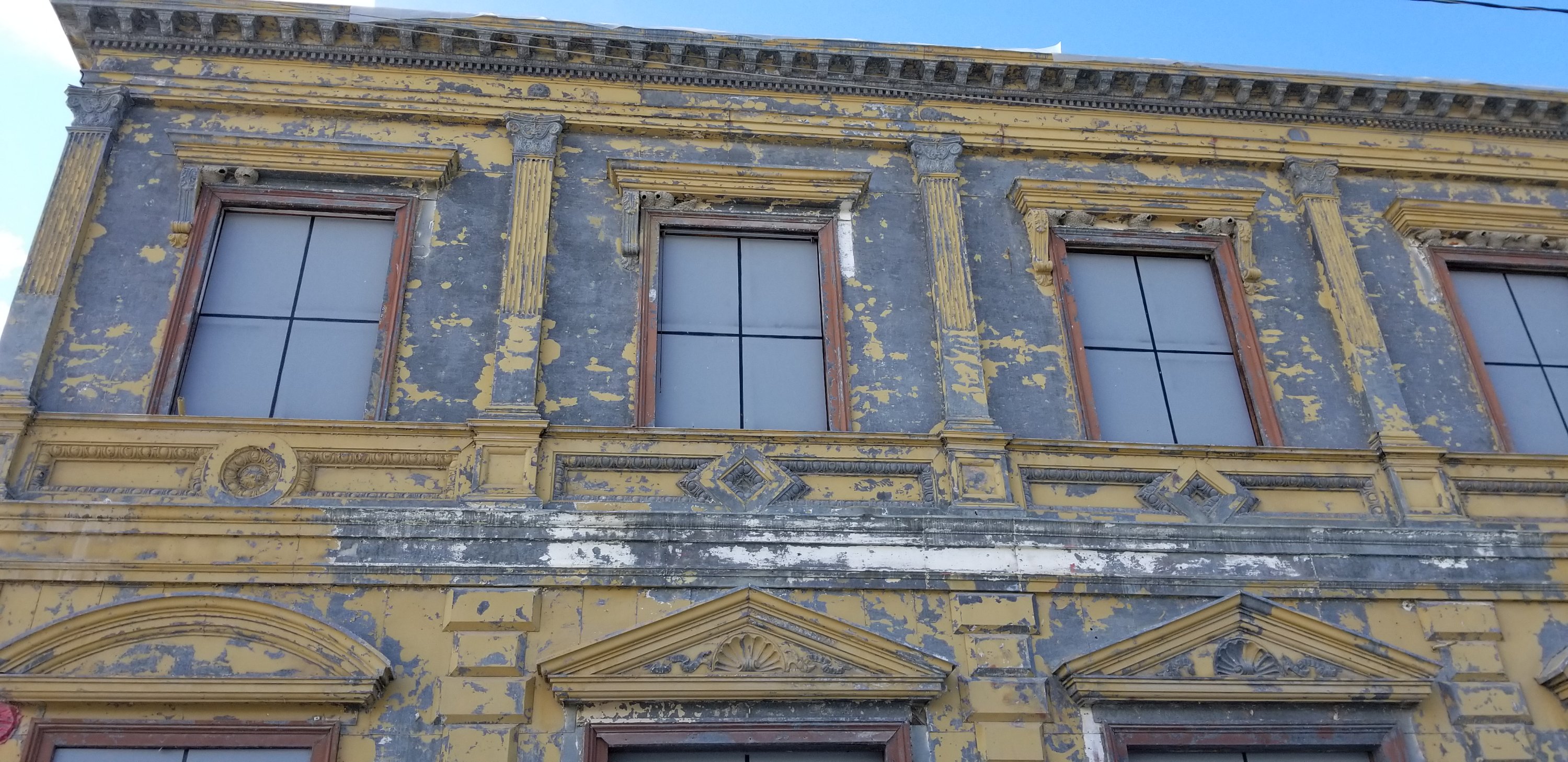
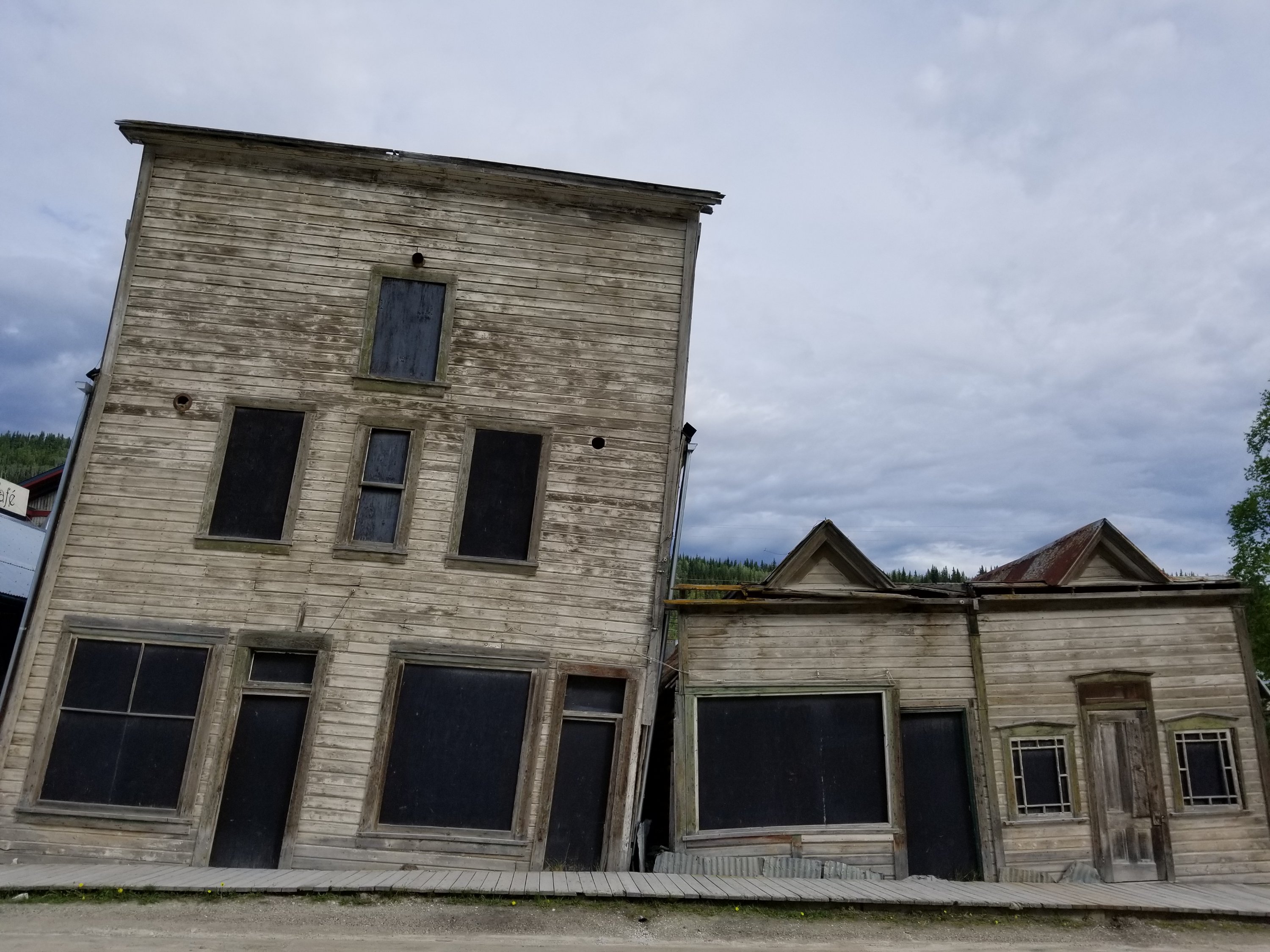
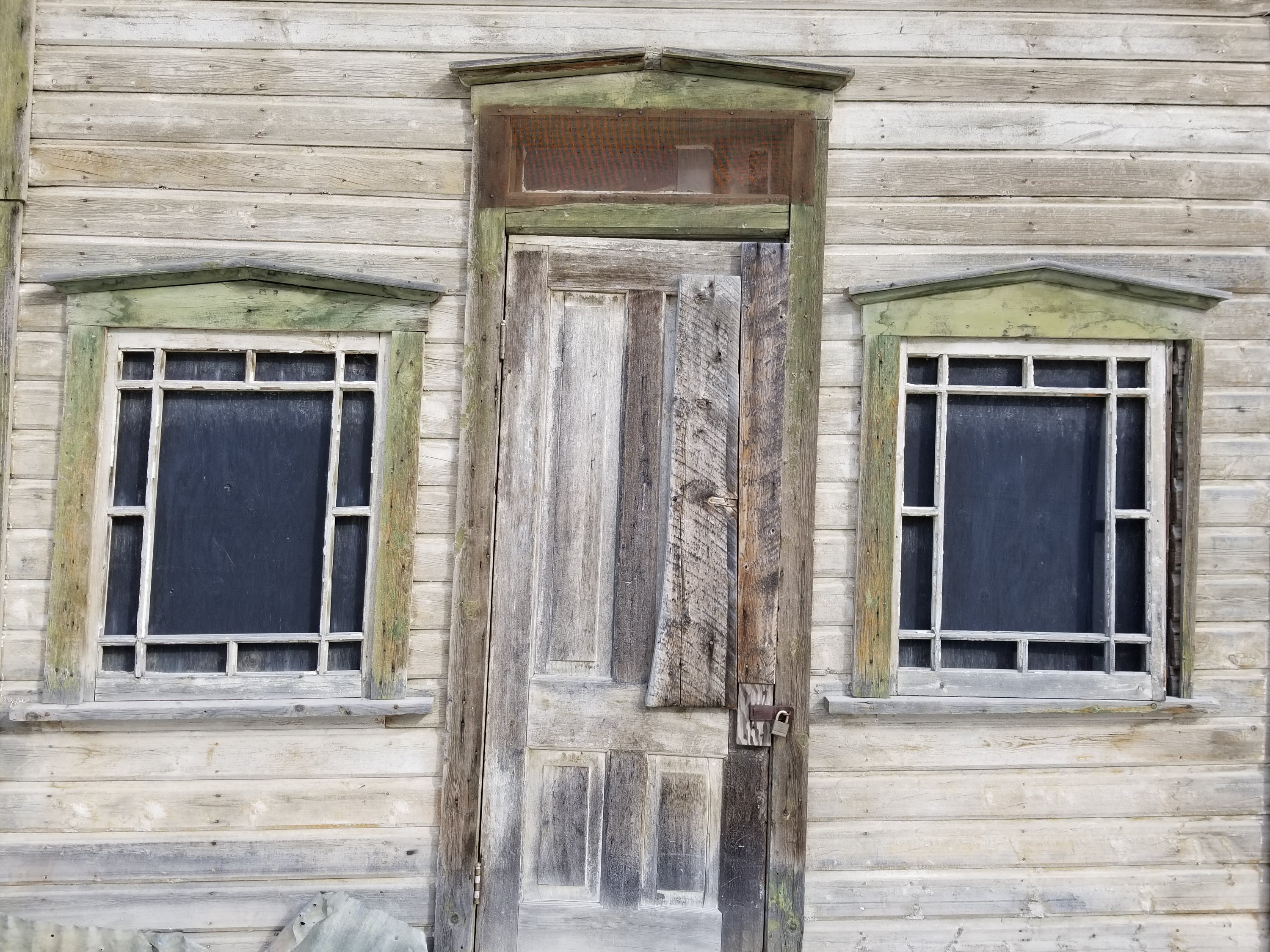
As I lay awake, having cycled through the options and settling on #1, I realized we were getting a taste of the trail of ’98, albeit with a modern day twist. Dawson City is like that. It skillfully presents its gold rush heritage and its literary history (Robert Service, Jack London and Pierre Berton all lived on Writers’ Block at the edge of town) without a trace of Disneyesque kitsch. At the same time, it balances taking care of the 21st century needs of tourists and its diverse residents – artists, historians, business owners, hipster hippies and an assorted collection of off-the-grid characters.

All of which makes it a delightful place to experience. I’ll leave you to wander Dawson’s quiet gravel streets, its historic buildings, and its local color on your own.

The Bank of Commerce where Robert Service worked

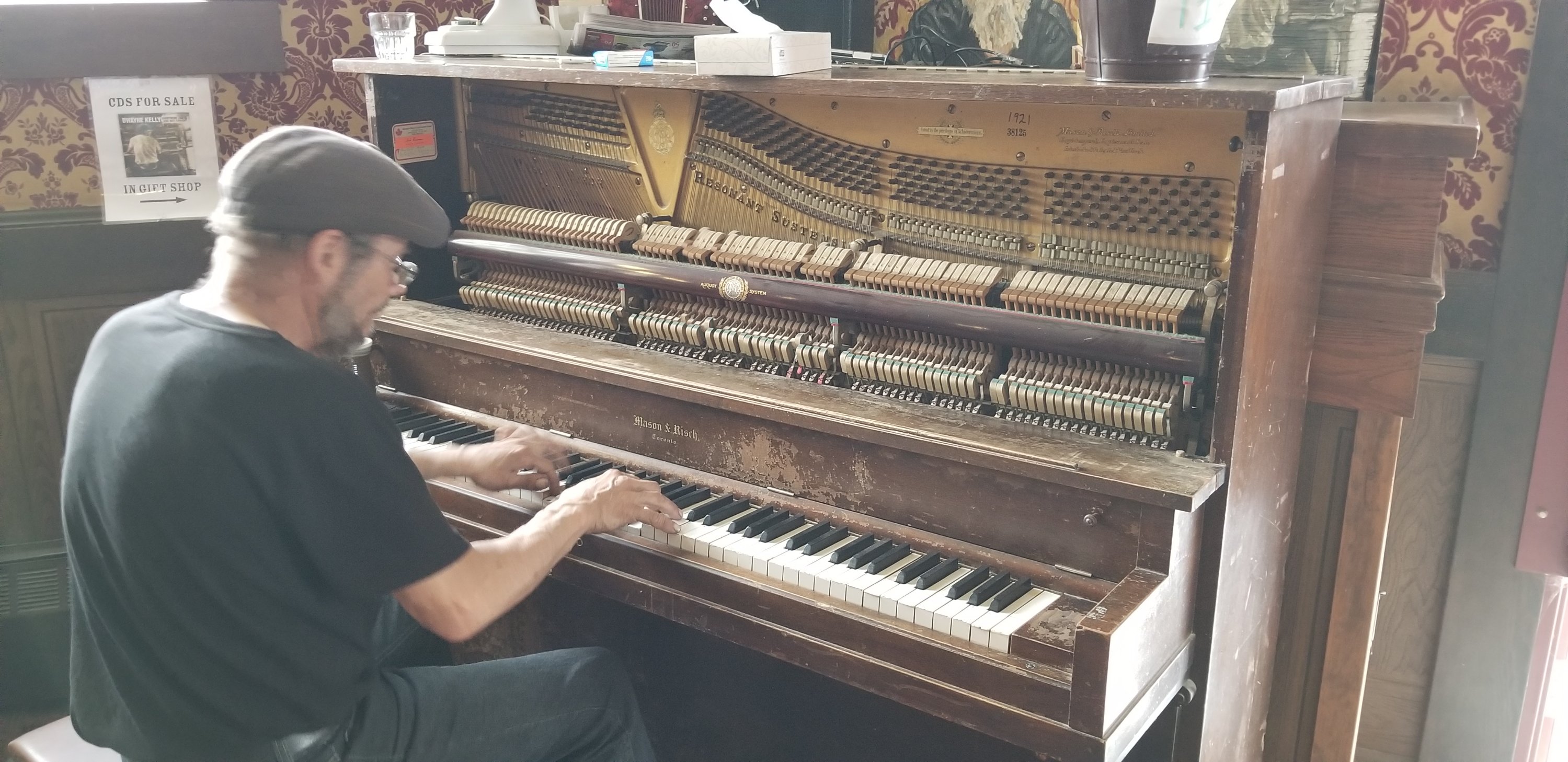
Piano player at the Downtown Hotel