Pack your bags/We’ll leave tonight.
(Eddie Money, 1977)
 On the Wednesday before our Saturday departure from Rarotonga, someone at breakfast dares to raise the subject.
“Well, back to real life in four days.”
No one says anything for several seconds.
“I won’t mind,” says one woman, looking up from reading the newspaper. “Time to get back to my regular routine.”
“I’m not thinking about leaving yet,” says a man on his way for another cup of coffee. “I’m pretending that someone has just now dropped me off for a four-day weekend on Rarotonga, and my holiday is only getting started.”
“All this talk about getting back to real life,” chimes in his wife. “Maybe the time we’ve been spending here is real life, and it’s our lives back home that aren’t.”
At exactly 9:15 p.m. on Saturday, the shuttle bus to the airport arrives. Those of us whose vacation is over straggle out of our homes away from home, wearing the jeans and runners we had stashed out of sight in our closets two weeks ago. A few people who are staying longer call goodbye from their porches as we haul our suitcases across the grass and down the road to the waiting bus. No one says much on the way to the airport.
 Although we glimpse each other once in a while on the flight to Los Angeles, and again in the LA airport as we kill time before travelling to our home destinations, our little Raro travel community quietly dissipates. Sixteen hours later, my husband and I arrive home to a dark house, and minus 10 C. Two days after that, I’m waiting in my parka at 7:45 a.m., not to flag down Rarotonga’s clockwise or counterclockwise coach, but to board a regularly scheduled, on-time, Edmonton Transit bus to go to work.
I think about the woman in the breakfast room wondering which was more real – her blissful, temporary life on Rarotonga, or her responsibility-laden, permanent life in Alberta. I saw the dichotomy discussed again in a newspaper article last week, contrasting university attendance with the “real life” of the post-convocation work world. In both contexts, reality seems to be defined as the drudgery of regular job and domestic routines, kind of a sad statement on the state of adult lives.
 I’m more in favor of finding ways to bring together our vacation selves with the sometimes Storm Trooper realities of our back-home lives. Even though Rarotonga’s temperatures won’t be visiting Edmonton for six more months, the Pacific Ocean is entire province away, and speakers of Cook Islands’ Maori are as scarce as palm trees, I’ve discovered a few ways to keep the rareness of Raro alive during real life back in Edmonton.
- A friend’s Facebook photos of our winter sunrises reminded me that the Cook Islands aren’t the only place where you can experience tangerine skies. Before Christmas, I’d been missing those colors because I was already checking my work e-mail on the bus ride into downtown. Now, my phone stays at the bottom of my purse so I can look out the window.
- And speaking of my phone, it sometimes goes uncharged now for days at a time. I did without it for two weeks’ on Raro; do I really need to get back in the habit now that I’m home?
- Doing without on Raro also extended to the number of clothes I packed to wear. Granted, in a tropical country you don’t need as many, but there was a simplicity to getting dressed in the morning that I’m trying to duplicate now that I’m home.
- Part of the delight of a vacation is getting up in the morning and wondering what new and interesting sights you’ll discover before the day is over. So, I’m trying to see familiar sights as a traveller would, to marvel at the feathery tracings of bird tracks on new snow or laugh at a poodle picking its way along an icy sidewalk in a red plaid coat and matching boots.
- A long ago Chinese philosopher said that to re-create something in words is like being alive twice. It may be frigid February outside my Edmonton home, but inside I’m blogging the hibiscus back to life, savoring the fish and chips, and watching the waves leap over the coral reef one more time.

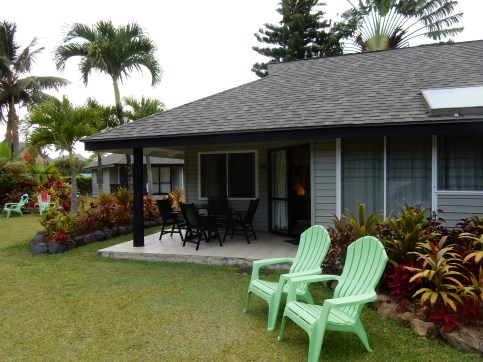 When we planned our trip to the Cook Islands last June, we hoped to raise our chances of meeting other travellers by choosing to stay at the

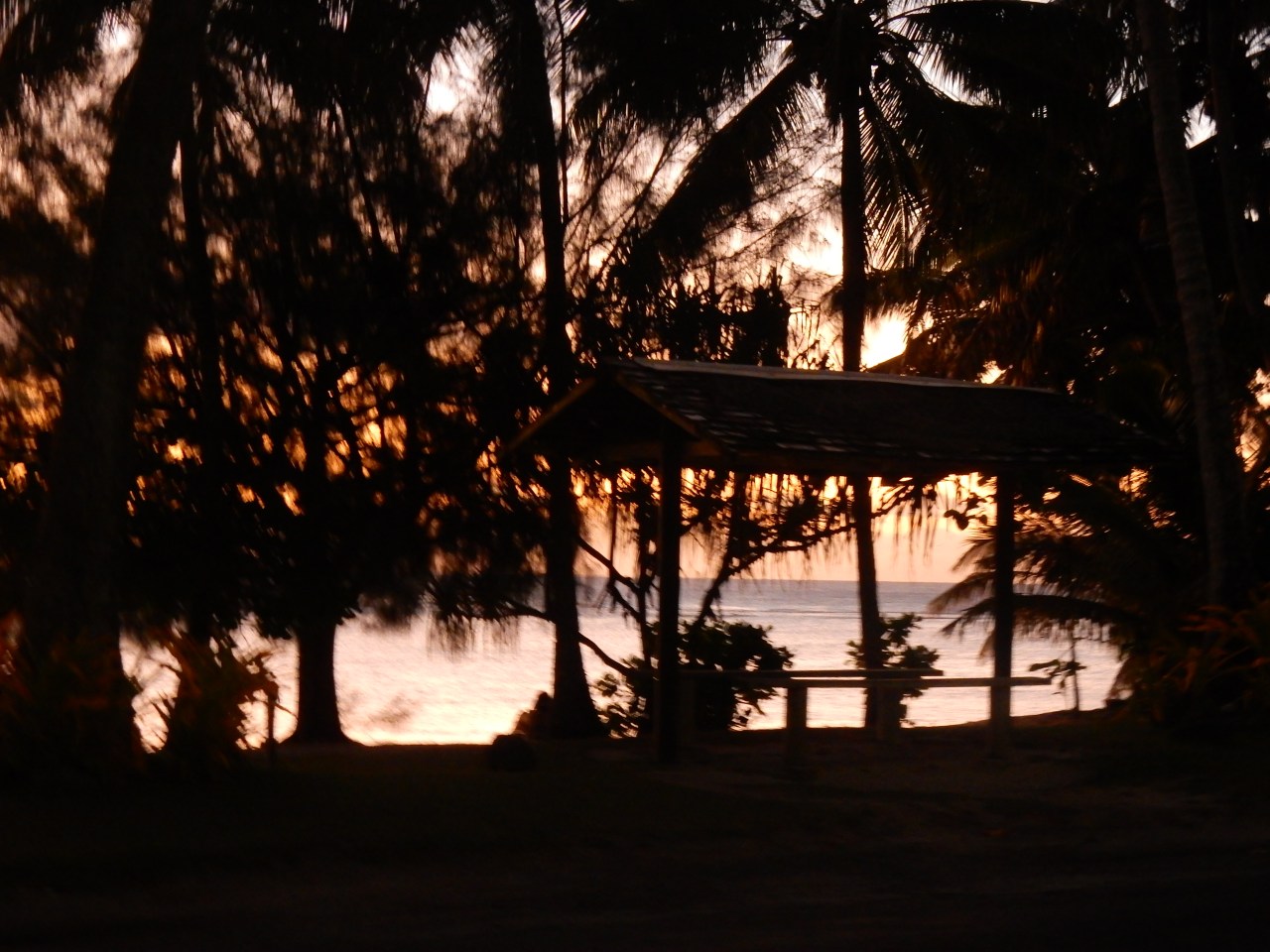
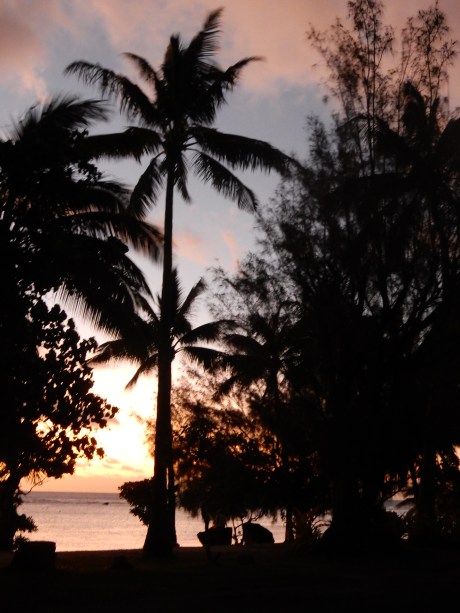
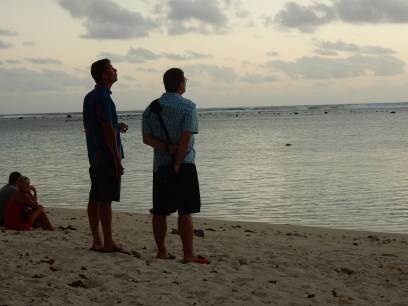
 Sometimes, we were treated to magenta and fire reds. Other nights, the shifting violet clouds took our breath away. Occasionally, the sun would dip below the horizon without any fanfare at all. Disappointing, but not always a reason to abandon the evening’s beach fellowship. We often lingered until the sky became a dark canvas for thousands of stars, not wanting the day to end.
 A couple of days after Christmas, I decided to explore the Cook Islands’ National Museum and Library, located on a side street in Rarotonga’s main town of Avarua. As I veered off the touristy main road that looped the island, I met few vehicles and even fewer people: the only sound came from the open doors of the nearby National Auditorium, where a man and woman were rehearsing a Polynesian song to the audiotaped chords of a ukelele.
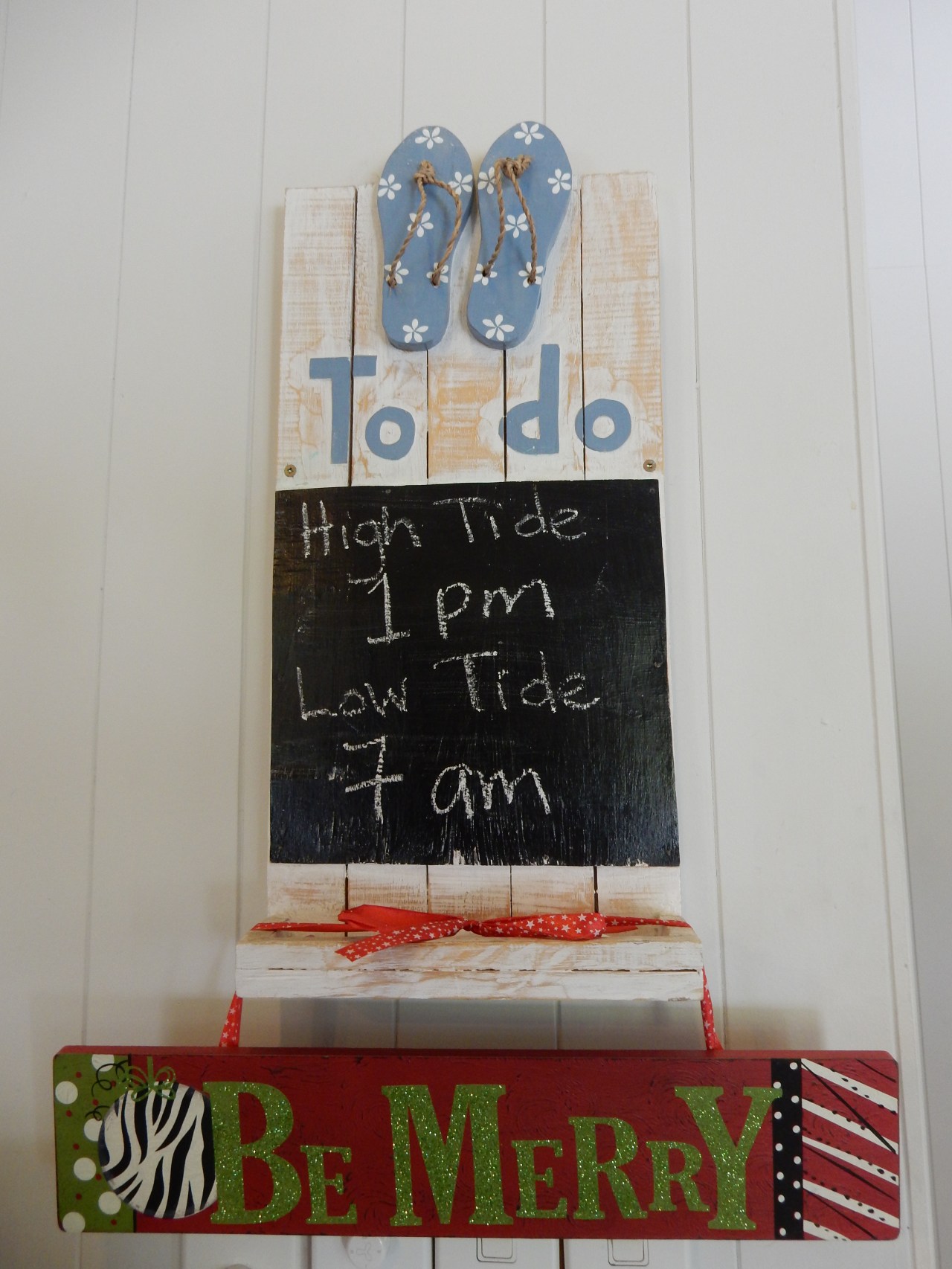
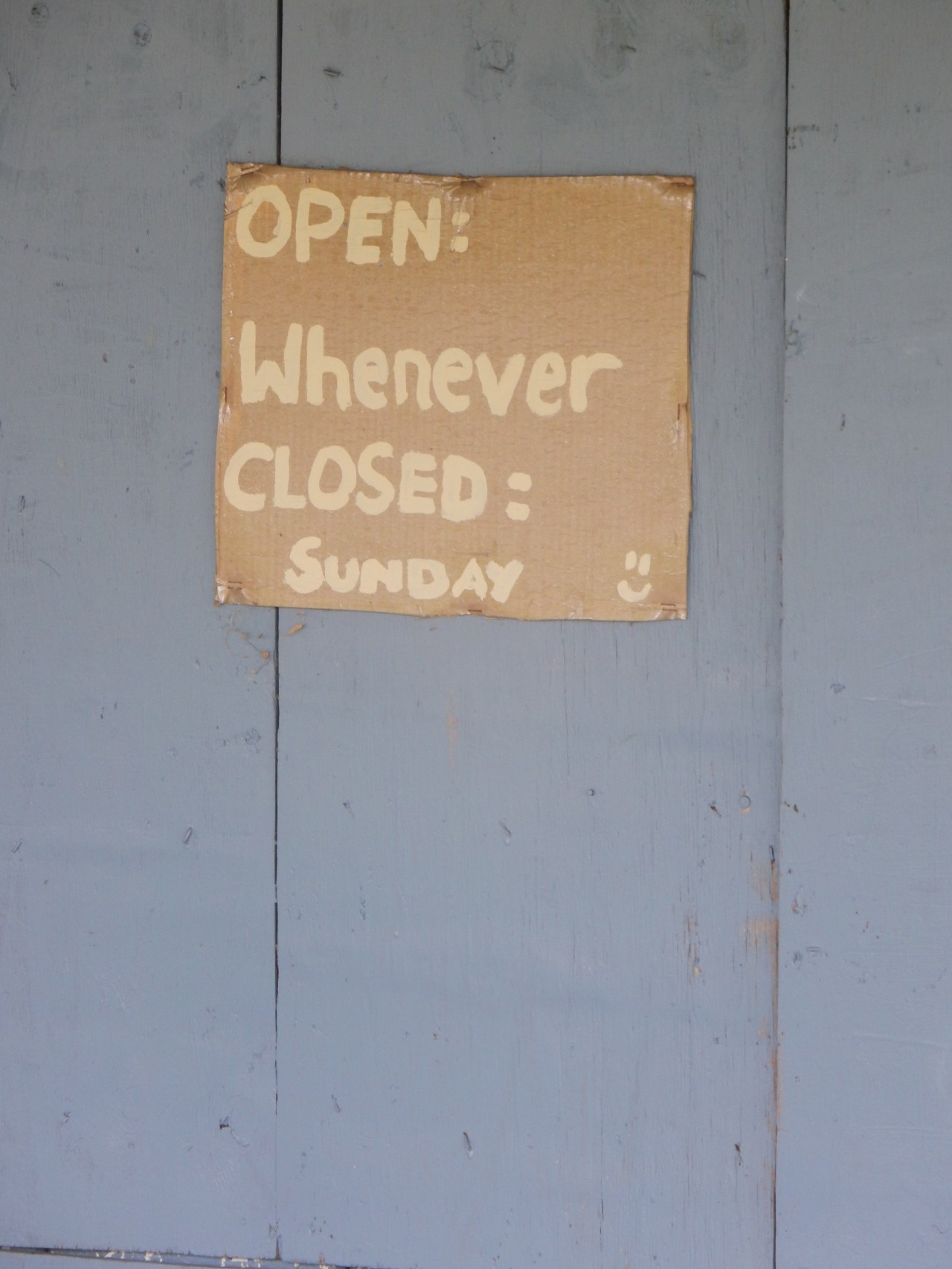
 During our two weeks on Rarotonga, we often experienced Cook Islanders’ fluid relationship with time. Many local businesses had opted to close from well before Christmas until well after January 1, in spite of the influx of travellers with money to spend on souvenirs, restaurant meals, and tours. Not only that, but these closures were often unposted, or even subject to change. Our first week on Rarotonga, I wondered if the Saturday market would run on Boxing Day. “Of course it will,” one of the locals told me. “The market isn’t run by the government.” What I didn’t realize was that the market was only open until noon…or thereabouts. Some vendors were packing up by 11 a.m.”We need time to start cooking for Sunday,” one woman told me, as I hastily purchased a sarong.
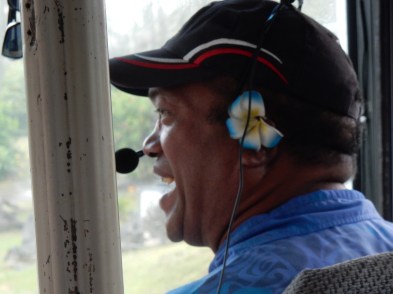 Even the two-bus, national public transportation system had a complex operating schedule, and we had to listen hard to the driver and compare notes afterwards to be sure we had the information straight. “Tonight, the anti-clockwise bus stops running at 4:30. The last clockwise bus leaves Cook’s Corner at 11 p.m. On Christmas Eve, no buses after 4 p.m. On Christmas Day, no buses run. Sunday, the clockwise bus runs between 10 a.m.and noon, and 2-4 in the afternoon. Monday, we get a day off. Back to normal on Tuesday.”
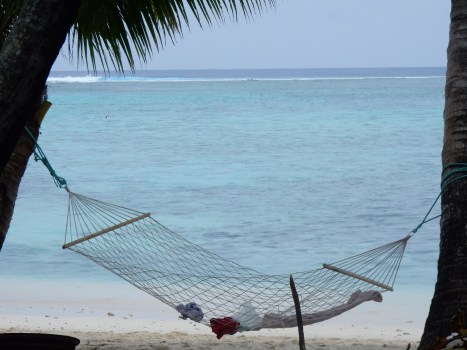 Although Rarotonga’s relationship with time could make a schedule-bound North American fume, we learned to flow along with the Islanders. After all, there were always good reasons for the closures. A business had enjoyed a particularly profitable year, so had decided to take some time off. Family was in town. There were feasts to eat and beaches to lounge on. In short, instead of letting time dictate to them, the Islanders were telling time how they wanted to spend it. And couldn’t we all use a little more of that kind of assertiveness in our lives?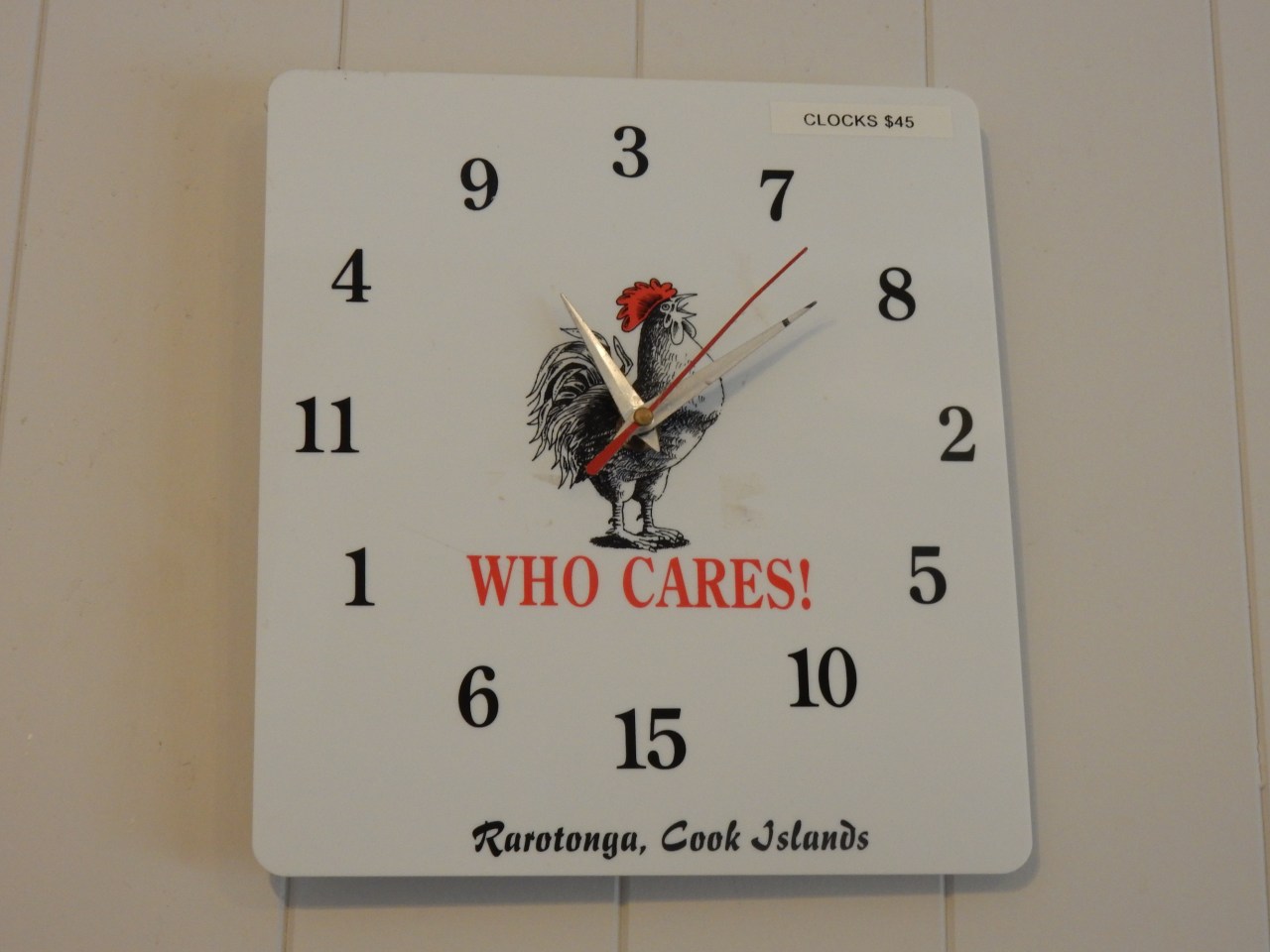
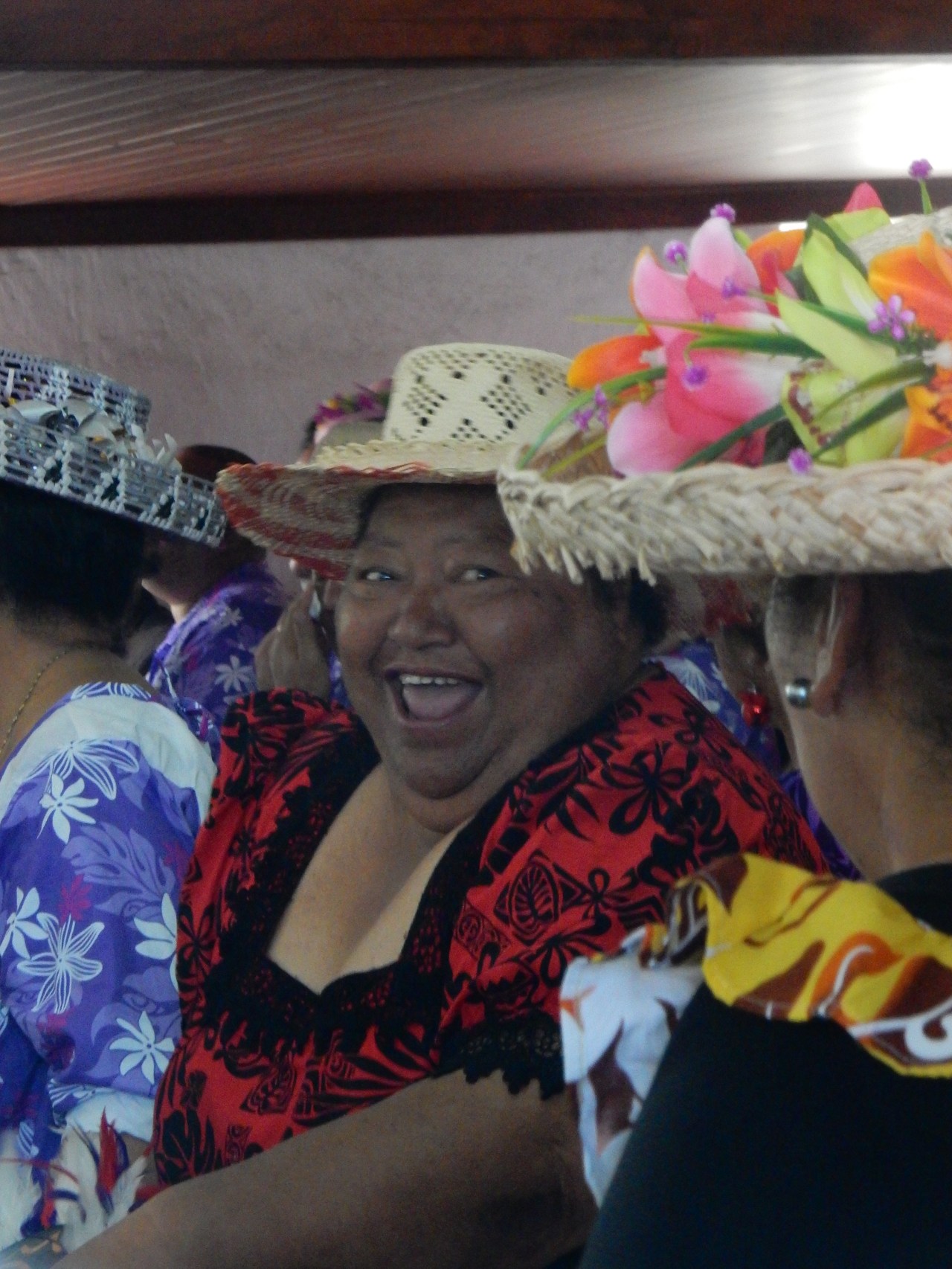
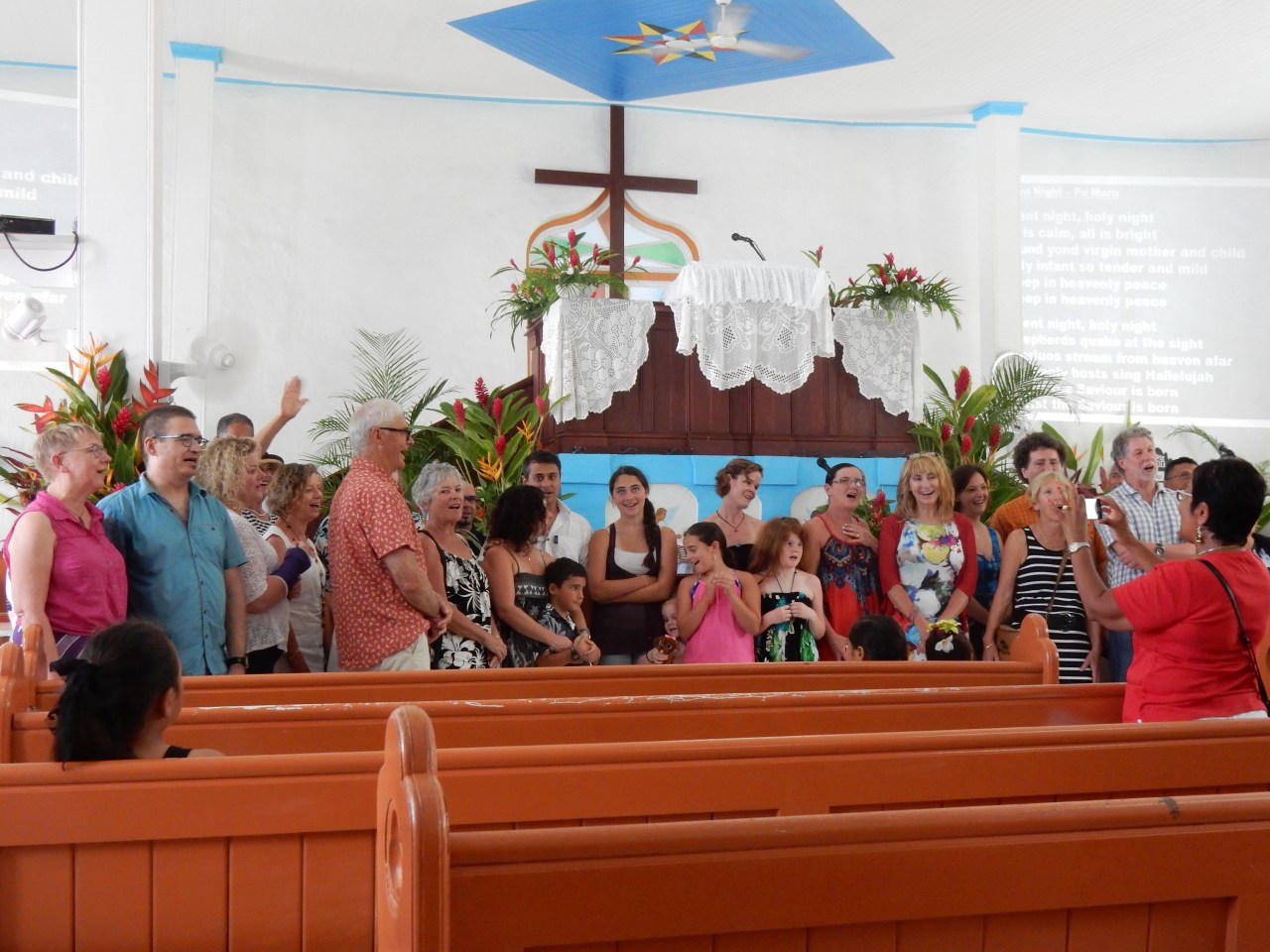
 On Christmas morning, I’m among the first five people to arrive at the Cook Islands Christian Church nearest to our Rarotonga villa. More than a dozen of us Canadians wanted to attend the 10 a.m. service, and we’ve only got one tiny rental car between us, so the car’s gracious owner has already left to pick up the next group.

 On the patio closest to ours, a father is having an earnest chat with his pre-school daughter.



 How’d ya like to stay up late like the islanders do?